



The dances of the Peruvian Andes are part of local festivals, customs, and community celebrations. Each region has its own steps, costumes, and melodies that reflect its history and cultural identity. From huayno to the scissors dance, these traditions remain part of everyday life in Andean communities.
What Are Traditional Dances in the Peruvian Highlands?
The dances of the Peruvian Andes bring together music, movement, and traditional clothing. Through them, Andean communities pass down their beliefs, customs, and stories from one generation to the next.
Many have roots that predate Spanish rule, while others developed during the colonial period, combining Andean and Spanish influences. Some are connected to farming and the cycles of nature; others portray historical events, religious ceremonies, or local celebrations.
Although Peruvian Andes dances share an Andean cultural heritage, each has its own features and meaning, which vary from one region to another.
The Best-Known Dances of the Peruvian Andes
Across the Peruvian Andes highlands, dance styles, movements, and clothing vary by region. Some dances reflect farm work, while others portray historical events, beliefs and local celebrations.
1. Huayno
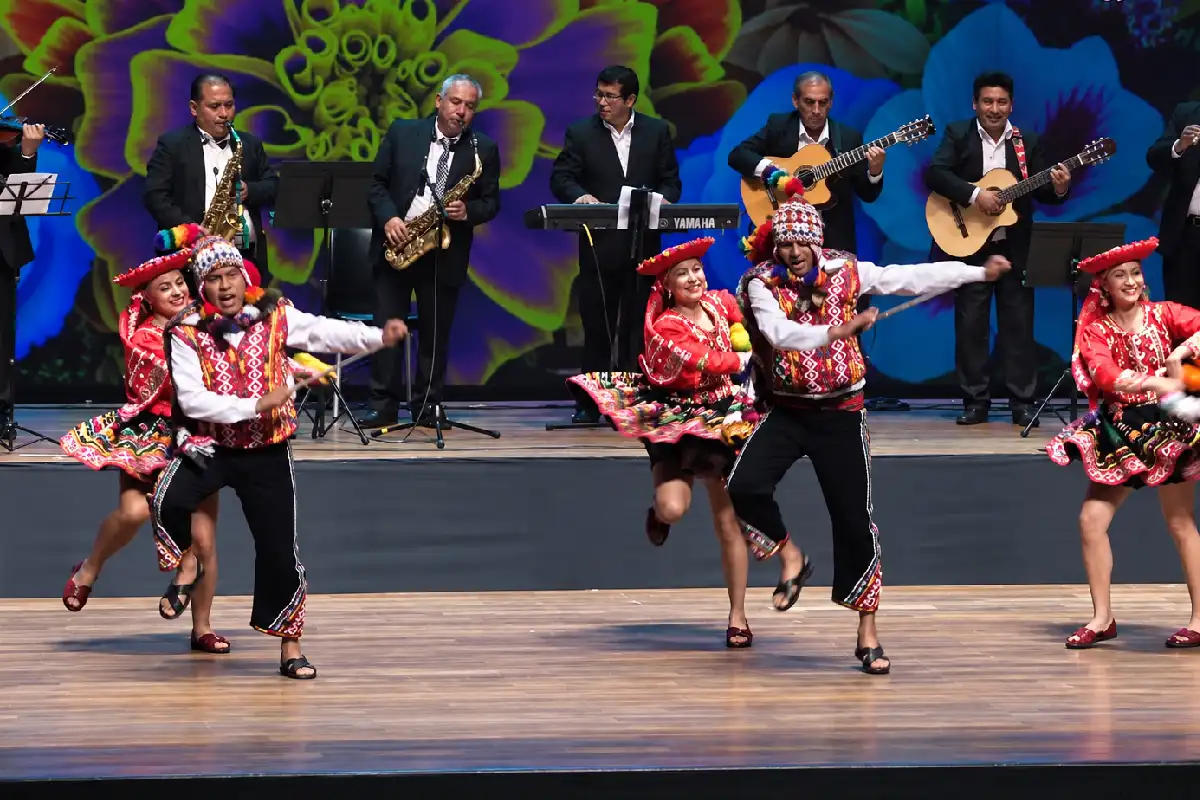
Huayno is one of the most popular dances of the Peruvian Andes. It is usually danced in pairs, with turns, short steps, and rhythmic footwork. Its songs tell of love, longing, and everyday life, accompanied by instruments such as the quena, charango, harp, and violin.
- Where it comes from: Several Andean regions, including Ayacucho, Cusco, Apurímac, Huancavelica, and Puno.
- Origins and meaning: With roots that predate Spanish rule, it expresses the feelings and customs of Andean communities.
- Clothing: Women wear full skirts, blouses, and hats; men wear trousers, shirts, and ponchos, depending on the region.
2. Scissors Dance
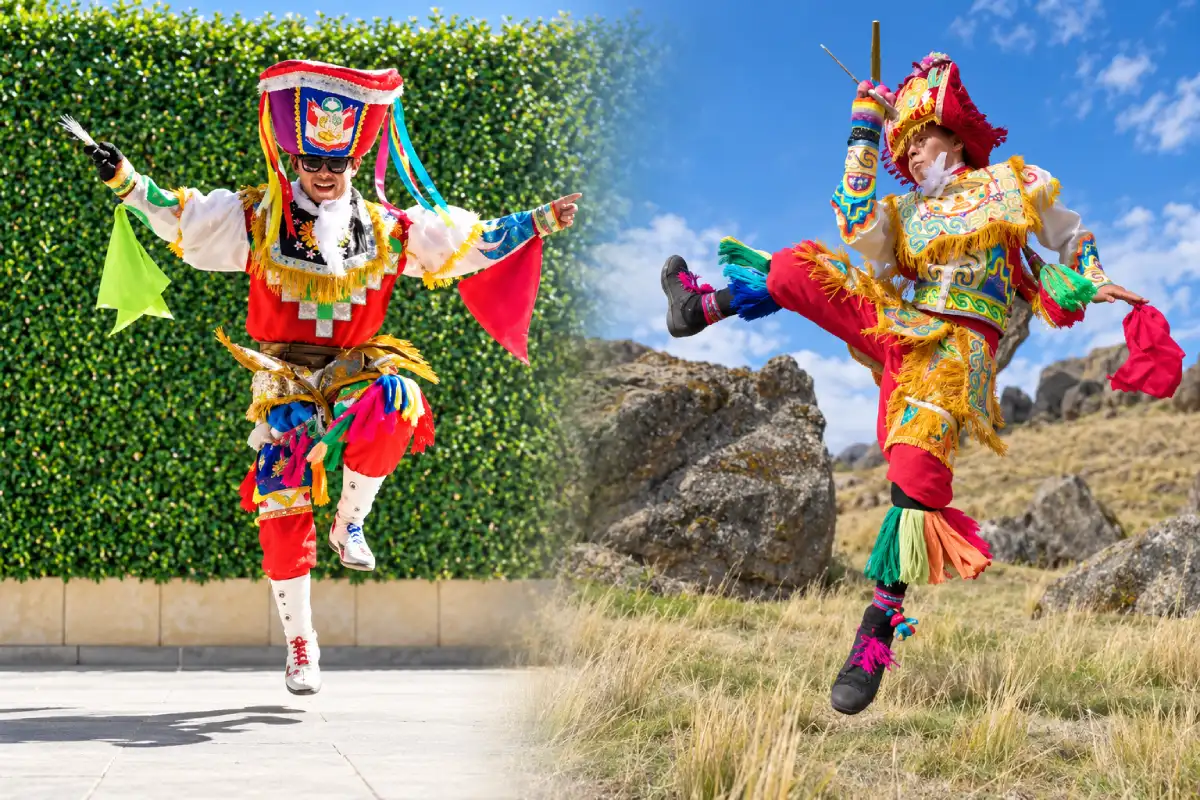
The scissors dance is known for its jumps, spins, footwork, and acrobatic challenges. Dancers strike two metal blades together while keeping time with the harp and violin. In competitions known as atipanakuy, they show their skill and physical stamina.
- Where it comes from: Ayacucho, Huancavelica, and Apurímac.
- Origins and meaning: A ritual tradition connected to Andean beliefs and respect for the apus, or mountain spirits.
- Clothing: Colorful outfits decorated with embroidery, mirrors, and sequins, along with ornate hats.
3. Huaylarsh or Huaylas
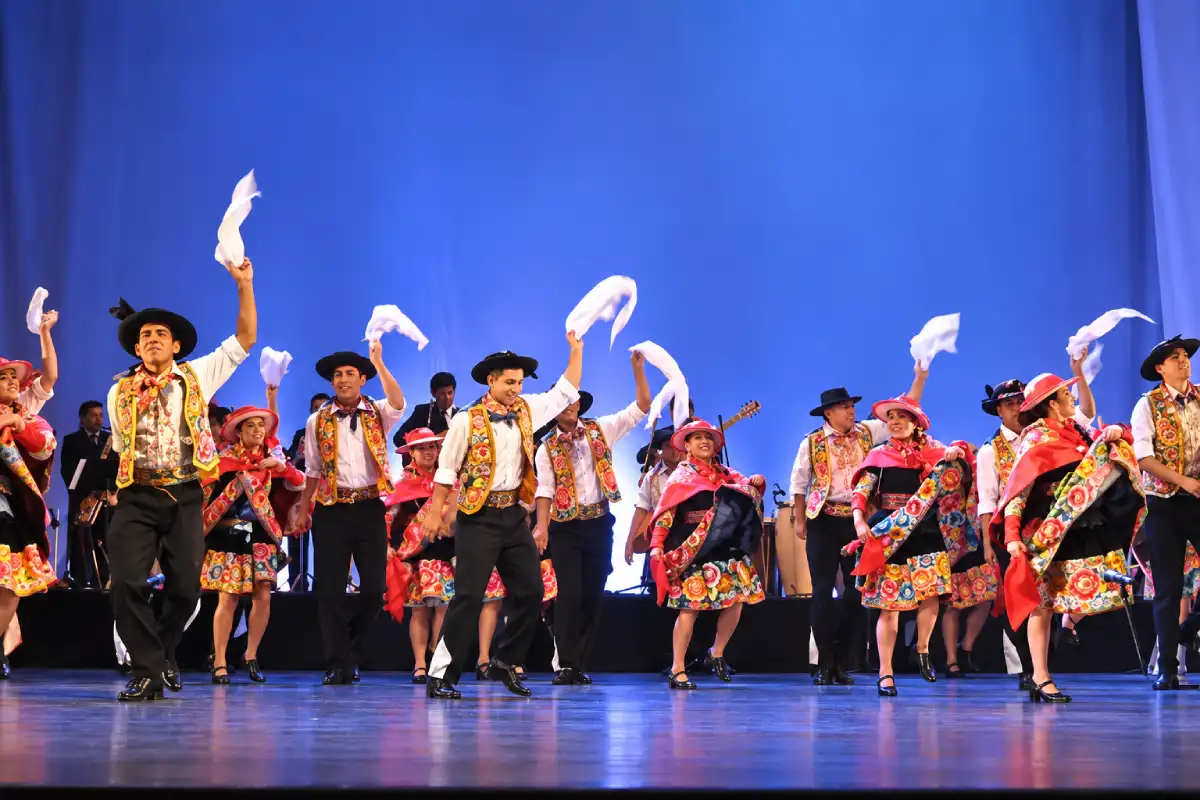
Huaylarsh stands out among Peruvian dances for its lively energy, strong footwork, jumps, and movements between partners. Some steps imitate farm work and the courtship of birds. There are two main styles: traditional and modern huaylarsh.
- Where it comes from: The Mantaro Valley, mainly Huancayo in Junín.
- Origins and meaning: Connected to Wanka culture, farming, and courtship.
- Clothing: Women wear traditional garments called cotones and fustanes, along with hats; men wear shirts, dark trousers, and woven sashes.
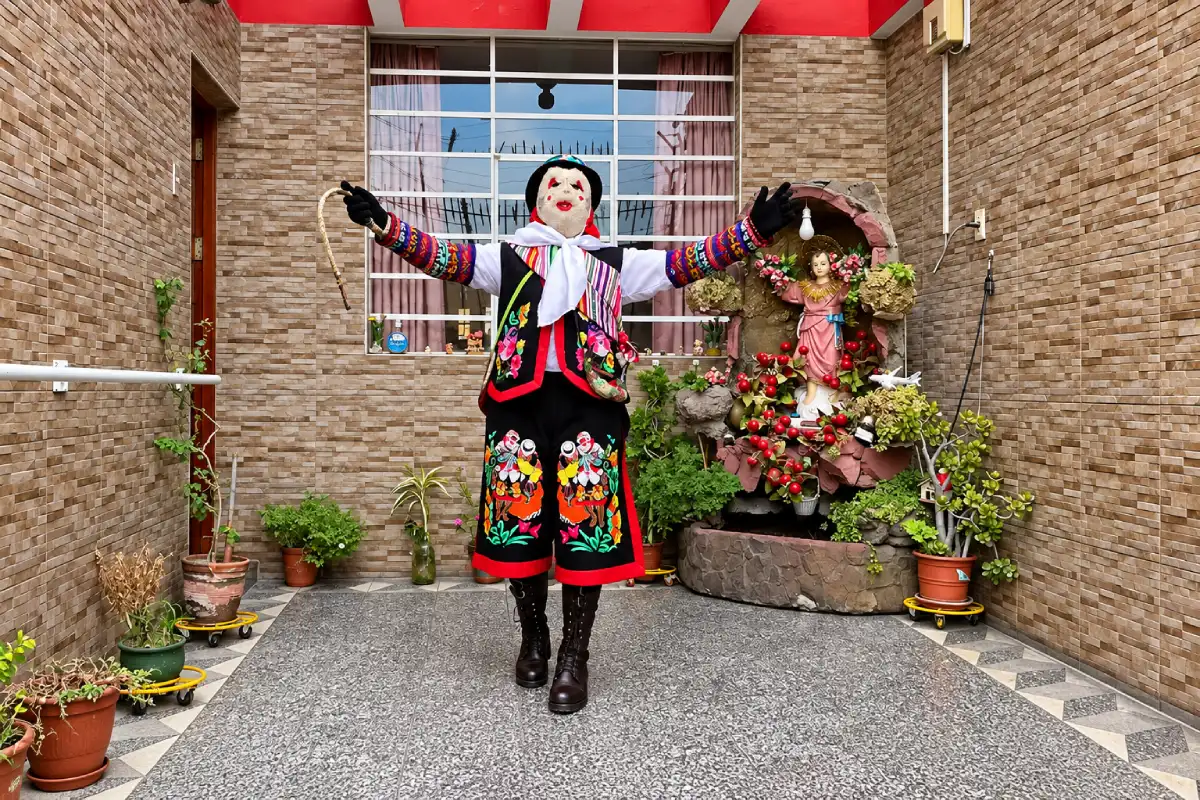
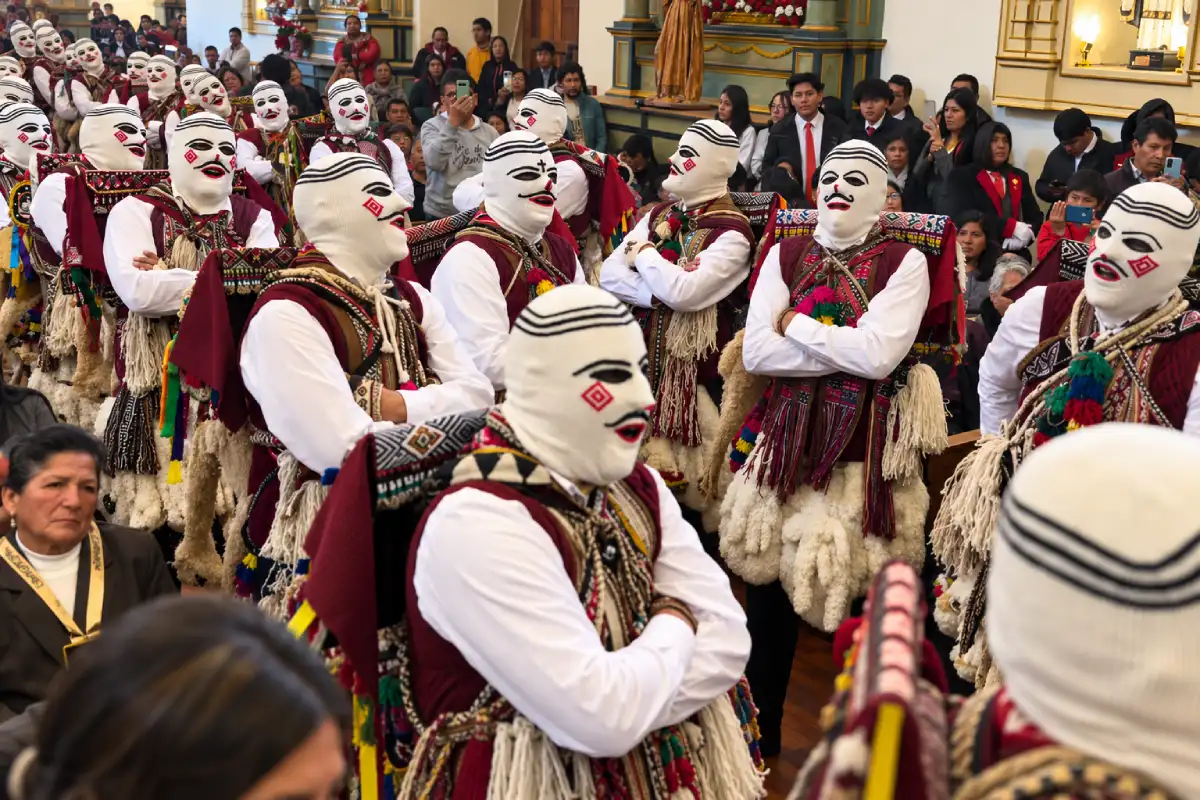
4. Huaconada de Mito
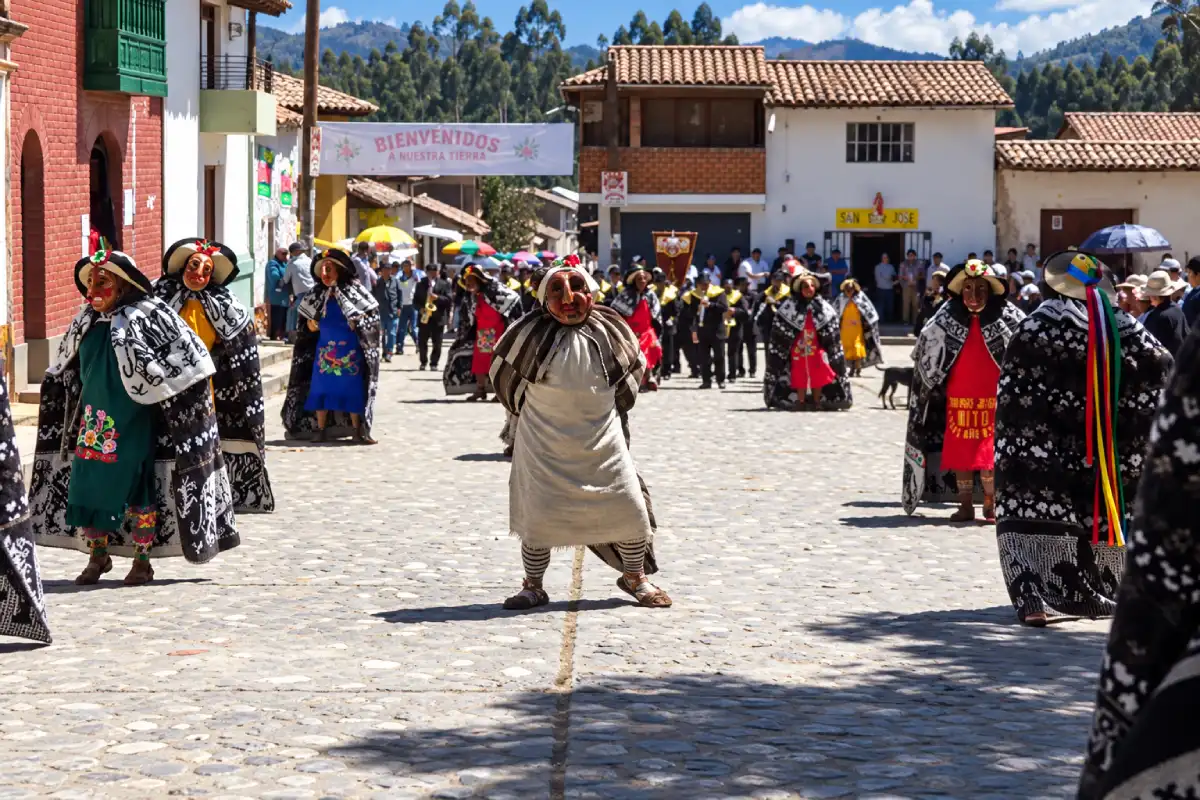
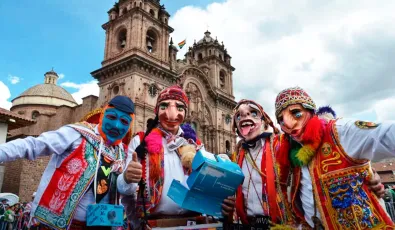
Huaconada is a traditional Peruvian dance performed as a ritual during the first three days of January. Its main figures are the huacones, masked men who represent the community's traditional authority. They perform ceremonial movements and carry whips called tronadores.
- Where it comes from: The district of Mito, in Concepción Province, Junín.
- Origins and meaning: Represents authority, respect, and order within the community.
- Clothing: Wooden masks with large noses, traditional outfits, and tronadores.
5. Tunantada
Tunantada is a traditional dance from Jauja. Its dancers portray figures from colonial society and the years after independence, including the chapetón, chuto, and wankita. It combines graceful movements, humor, and social satire, accompanied by traditional orchestras.
- Where it comes from: Jauja Province, Junín.
- Origins and meaning: Portrays and pokes fun at the social relationships that developed through contact between Andean and Spanish cultures.
- Clothing: Outfits and masks vary by character and include hats, waistcoats, boots, and embroidered garments.
6. Diablada Puneña
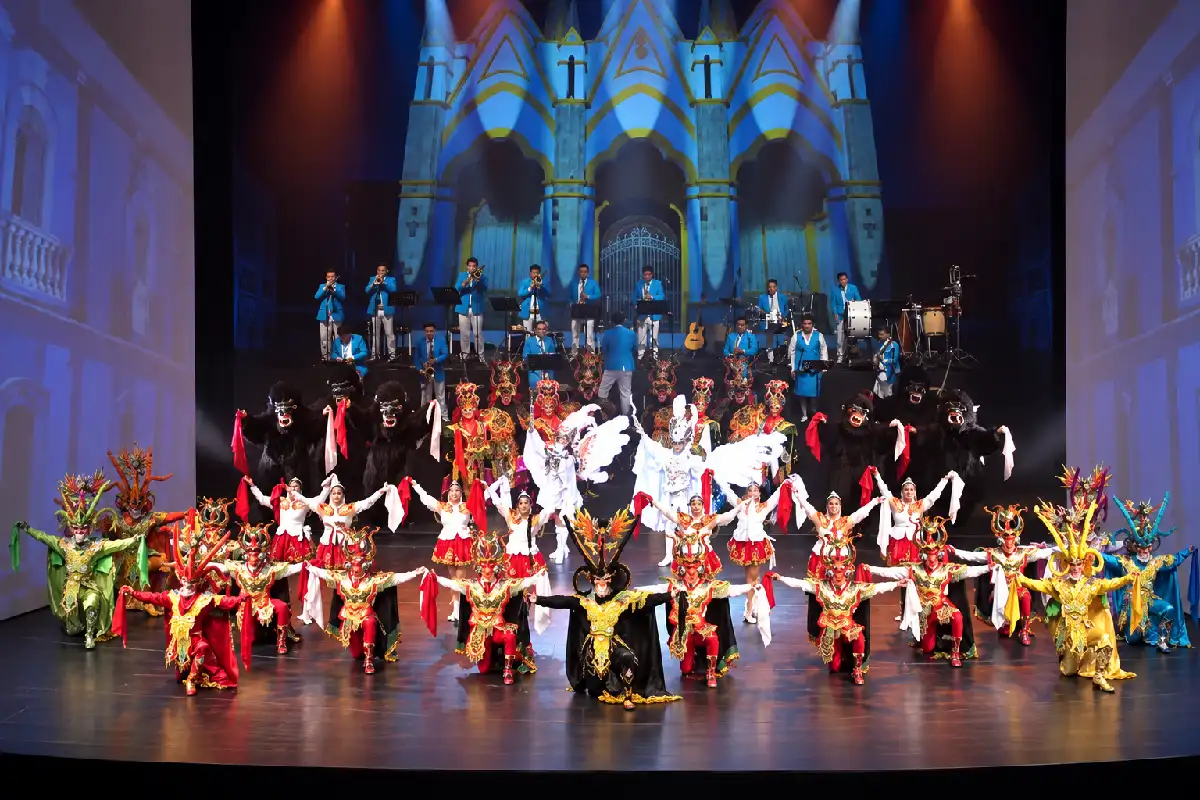
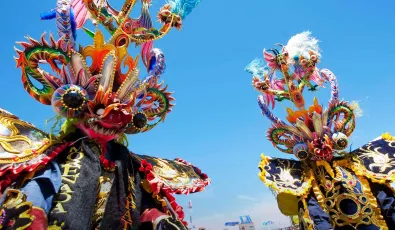
Diablada puneña is one of the most colorful dances of Peru's Altiplano. Dancers portray devils, angels, and other characters in choreographed performances accompanied by bands. It is especially popular during the Virgen de la Candelaria festival.
- Where it comes from: Puno, on the Altiplano in the Peruvian Andes highlands.
- Origins and meaning: Combines Andean and Catholic beliefs to portray the struggle between good and evil.
- Clothing: Masks with horns and fangs, capes and glittering costumes decorated with embroidery and beads.
7. Pandilla Puneña
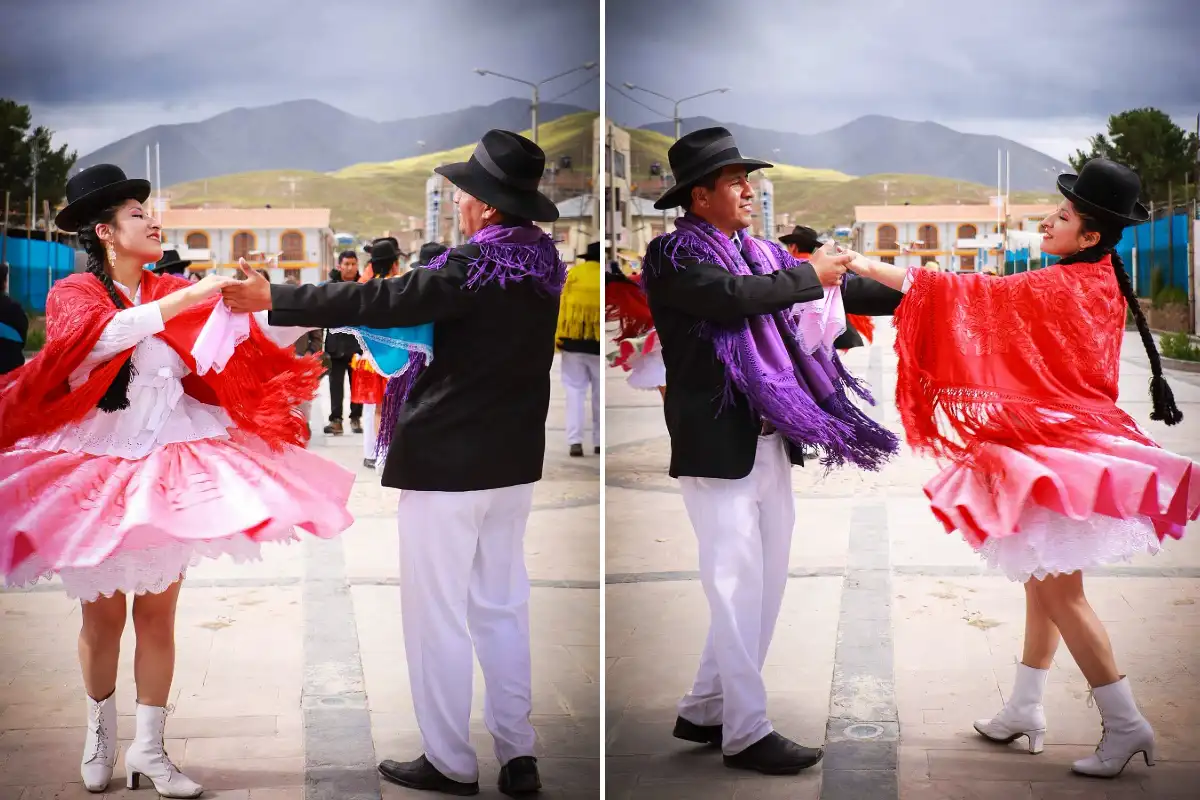
Among the Peruvian dances performed during Carnival, pandilla puneña is a partner dance known for its graceful movements. A dance leader called “the bastonero” guides the formations. The music is played by an estudiantina, a string ensemble that includes instruments such as mandolins, guitars, and charangos.
- Where it comes from: The city of Puno.
- Origins and meaning: A tradition with mixed Andean and European influences, connected to courtship and Carnival celebrations.
- Clothing: Women wear full skirts, shawls, and hats; men wear jackets, trousers, and hats. Both carry handkerchiefs.
8. Wititi Dance
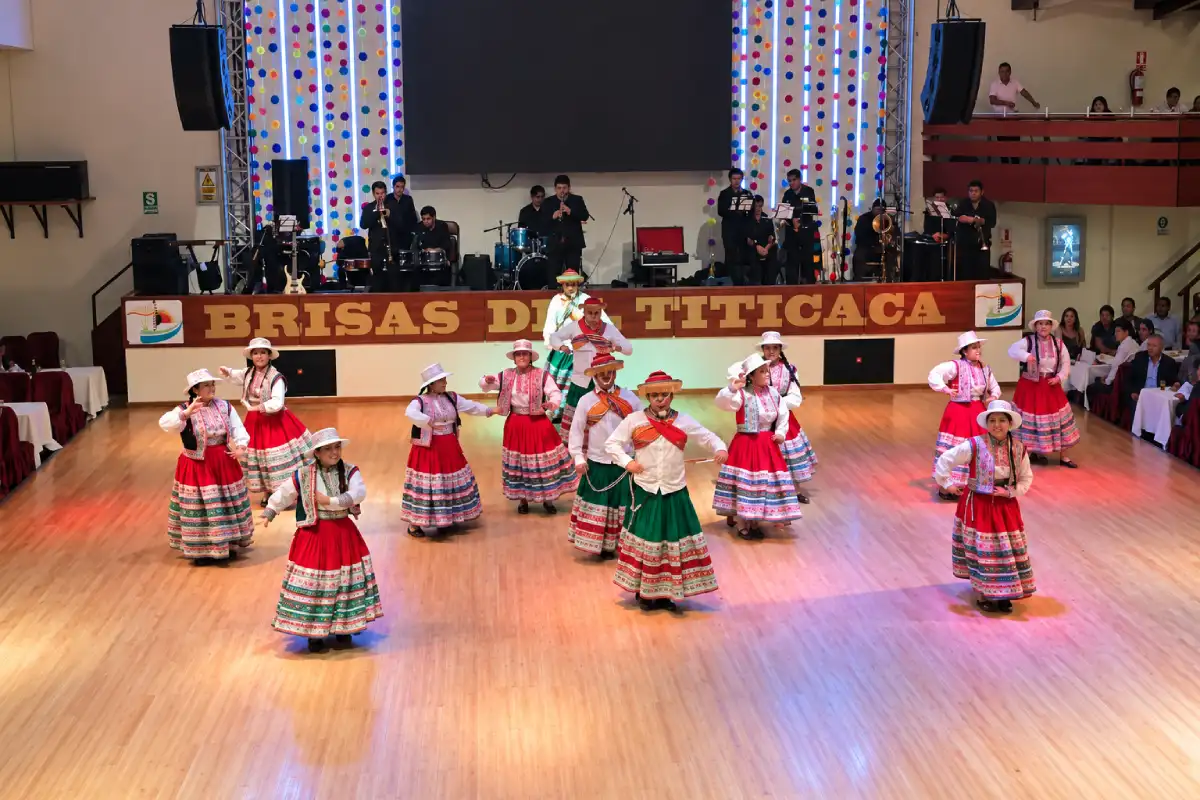
Wititi is one of the typical dances of Peru, traditionally performed in the Colca Valley in Arequipa. Groups of couples move in rows, coordinating their steps to music played by bands. It is common at religious festivals during the rainy season and forms part of community celebrations throughout the valley. In 2015, UNESCO added it to its Representative List of the Intangible Cultural Heritage of Humanity.
- Where it comes from: The Colca Valley, in Caylloma Province, Arequipa.
- Origins and meaning: A courtship dance connected to fertility and the farming cycle.
- Clothing: Women wear embroidered skirts; men wear overlapping skirts and traditional hats called monteras.
9. Qhapaq Qolla
Qhapaq Qolla is one of the traditional dances performed during the Virgen del Carmen festival in Paucartambo, Cusco. Dancers move in rows, imitate the behavior of llamas, and sing in Quechua, accompanied by quenas, violin, accordion, and a bass drum. The troupe includes characters such as the alcalde, imilla, qollas, and llamero.
- Where it comes from: Paucartambo, Cusco.
- Origins and meaning: Portrays the traders of Qollasuyo and their trading journeys.
- Clothing: Decorated monteras, wool masks called waqollo, woven shawls and traditional bundles called q'epi.
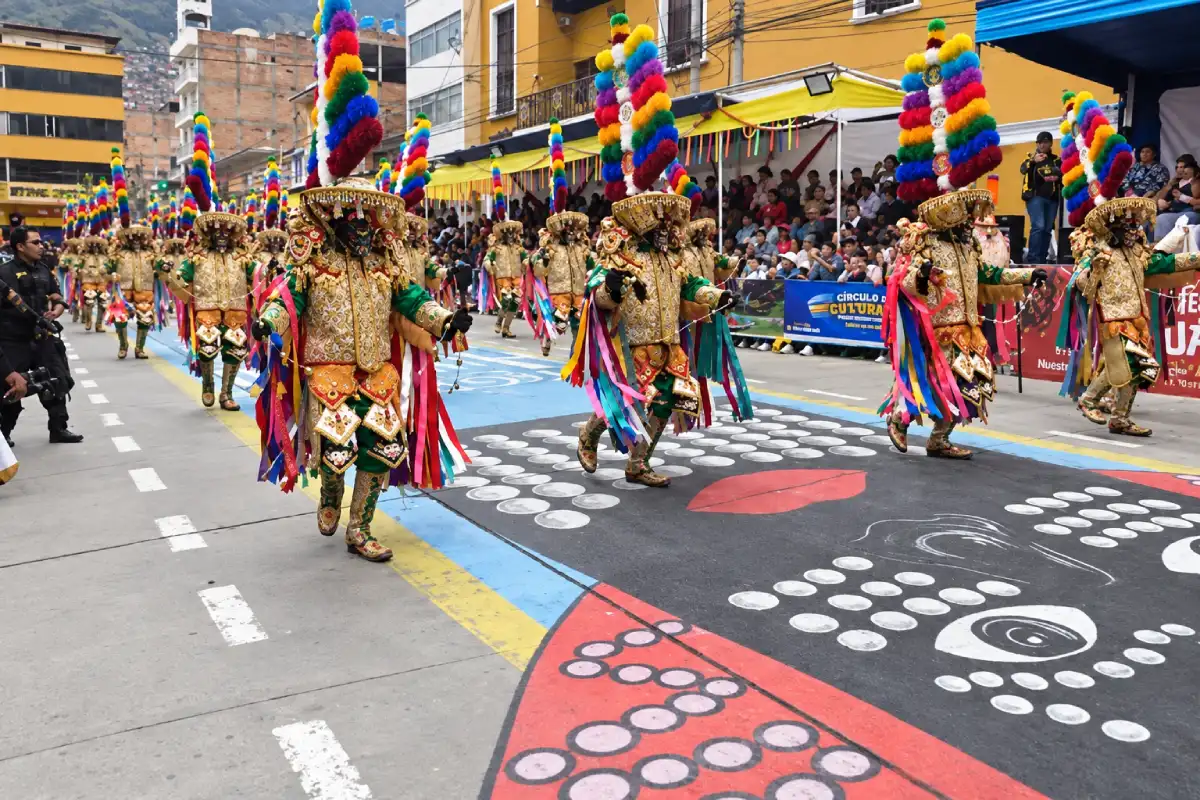
10. Negritos de Huánuco
The Negritos de Huánuco dance is an important part of the region's Christmas celebrations. Groups of dancers move in step and ring small bells as they parade through the streets in honor of the Christ Child. The performance includes characters such as the caporales, corochanos, flag bearers, the turco, and the dama, each with a role in the troupe.
- Where it comes from: Huánuco Province, in the Huánuco region.
- Origins and meaning: Recalls slavery, freedom, and devotion to the Christ Child within a tradition shaped during the colonial period and the years after independence.
- Clothing: Embroidered velvet outfits, dark masks, and hats decorated with feathers.
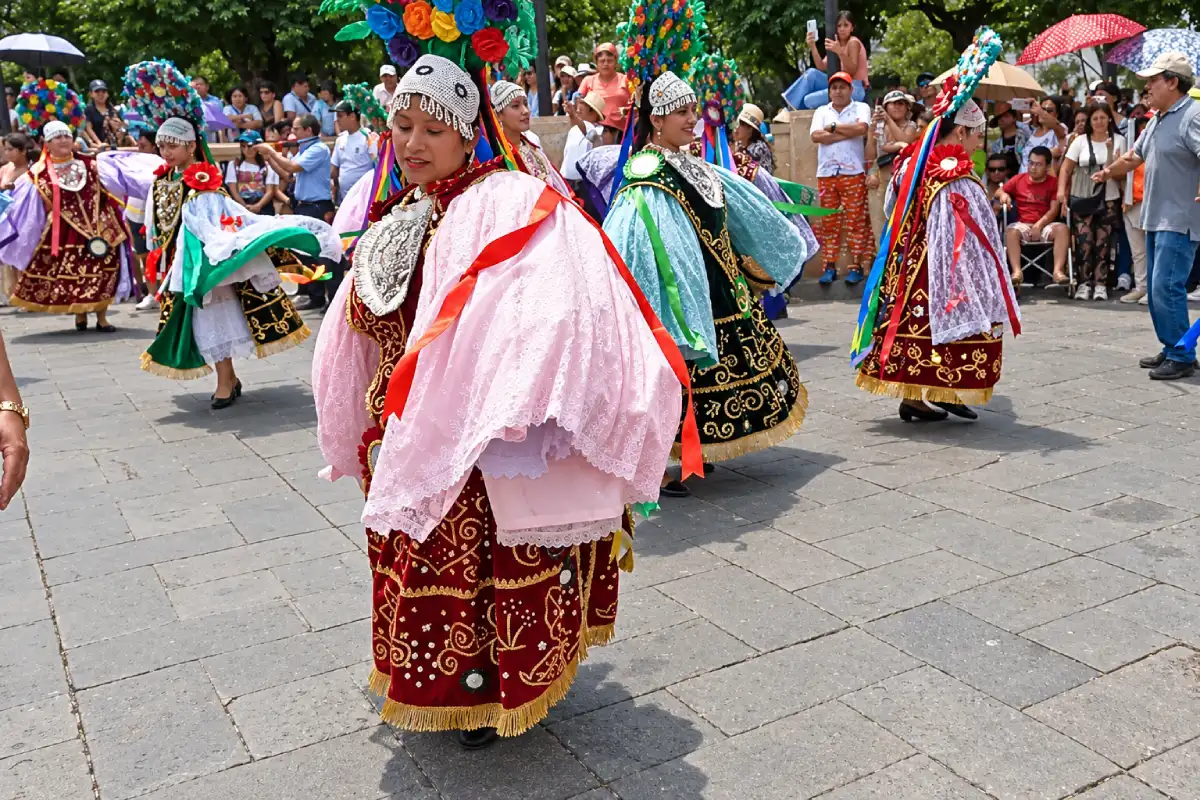
11. Pallas de Corongo
Pallas de Corongo is a traditional dance performed by women during the San Pedro festival, held each June in Áncash. The dancers move through the streets with gentle, graceful steps, accompanied by musicians playing the caja and roncadora. Their participation is one of the festival's main traditions and is connected to religious vows made by young women from the town.
- Where it comes from: Corongo Province, Áncash.
- Origins and meaning: Expresses devotion to Saint Peter and includes references to Inca nobility.
- Clothing: Embroidered dresses and large crowns decorated with flowers, feathers, and ribbons.
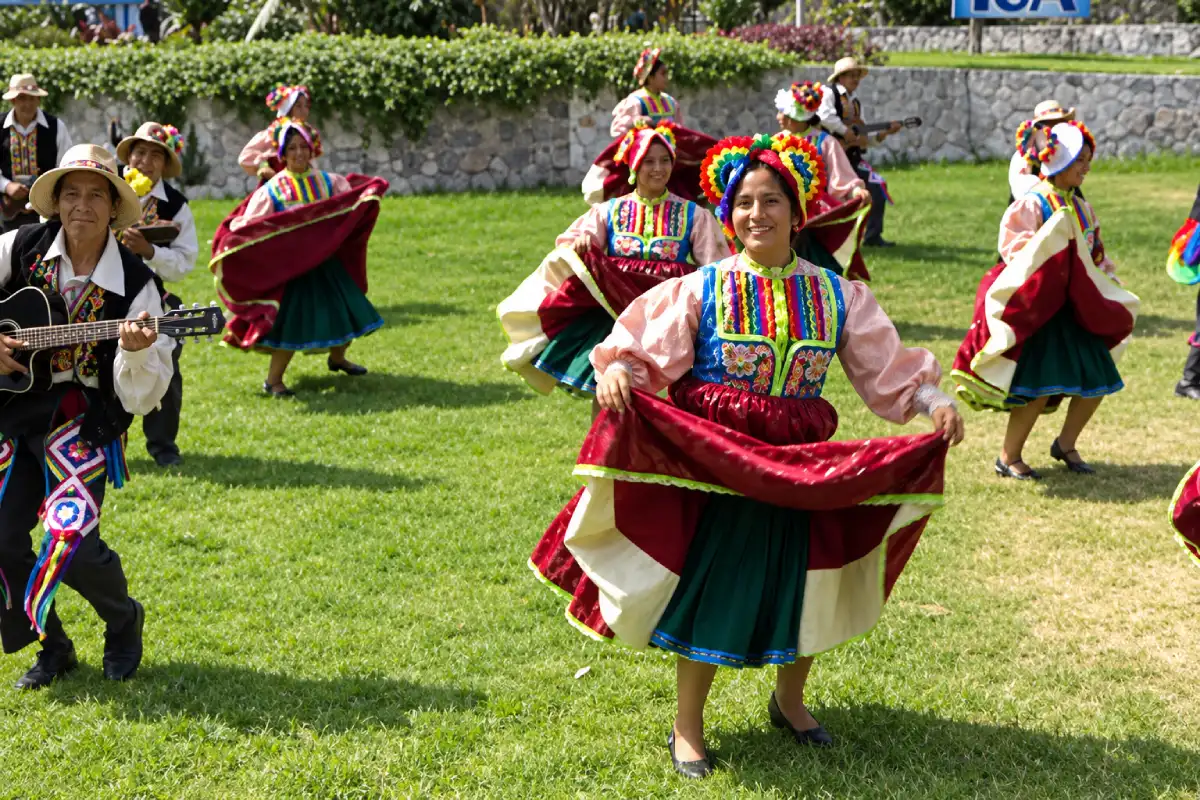
12. Sarawja de Moquegua
Sarawja brings together the traditional music, singing and dancing of Moquegua's Aymara communities. It takes place in the week after Holy Week, when family groups known as ruedas travel between villages. Participants form circles and move in ways that recall the flight of kiwlas, accompanied by charango music and traditional songs in Aymara and Spanish. Their movements also reflect the courtship of these birds, which live in the high Andes.
In 2025, Sarawja was added to UNESCO's Representative List of the Intangible Cultural Heritage of Humanity.
- Where it comes from: The Aymara communities of Carumas, Cuchumbaya, and San Cristóbal in Moquegua.
- Origins and meaning: Represents community life, mutual support, and family ties.
- Clothing: Women wear full skirts, woven shawls and hats; men wear waistcoats and traditional hats.
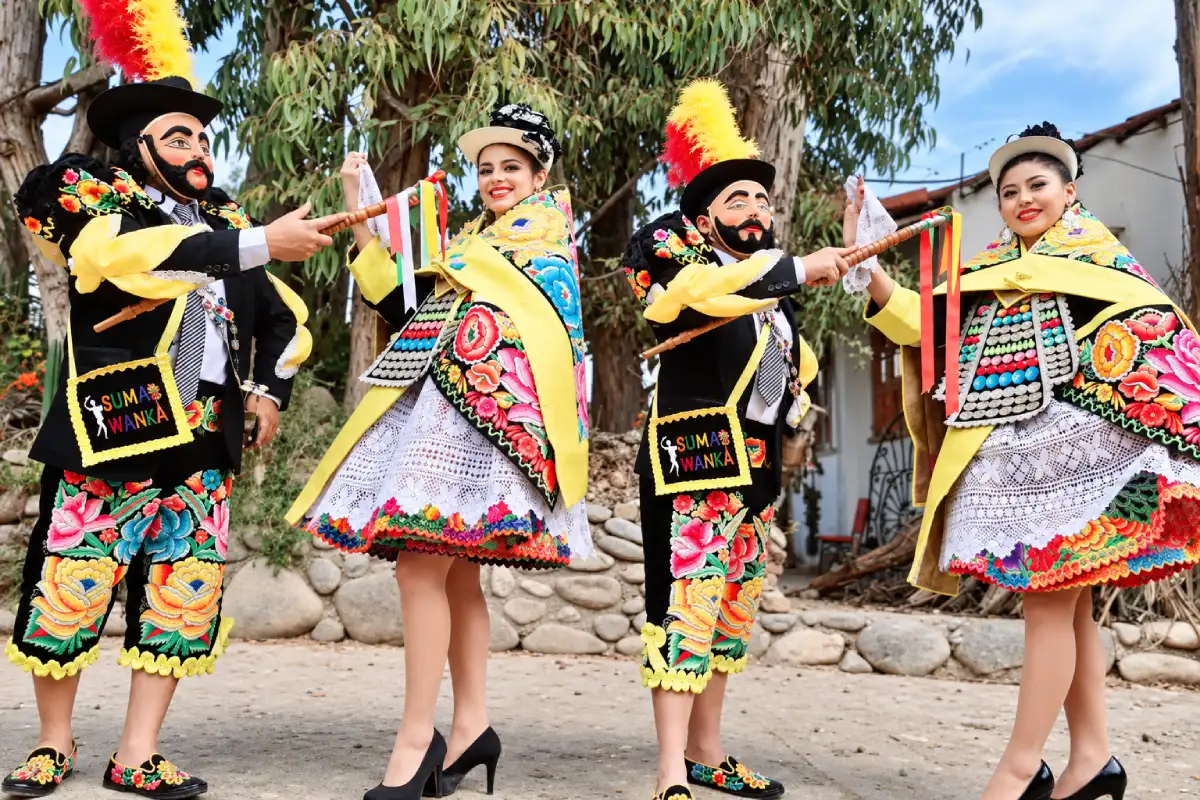
13. Chonguinada
Chonguinada is one of the dances from Peru's central highlands. It is performed in pairs, with graceful movements and deliberately exaggerated steps. Its choreography recalls colonial ballroom dances, especially through the characters' refined gestures. It is often performed during the May Crosses festivities and other religious celebrations in Junín.
- Where it comes from: Junín, with a traditional variation in Pasco.
- Origins and meaning: Parodies the dances and customs of the colonial upper classes.
- Clothing: Men wear masks and feathered hats; women wear full skirts and embroidered garments.
14. Shacshas Dance
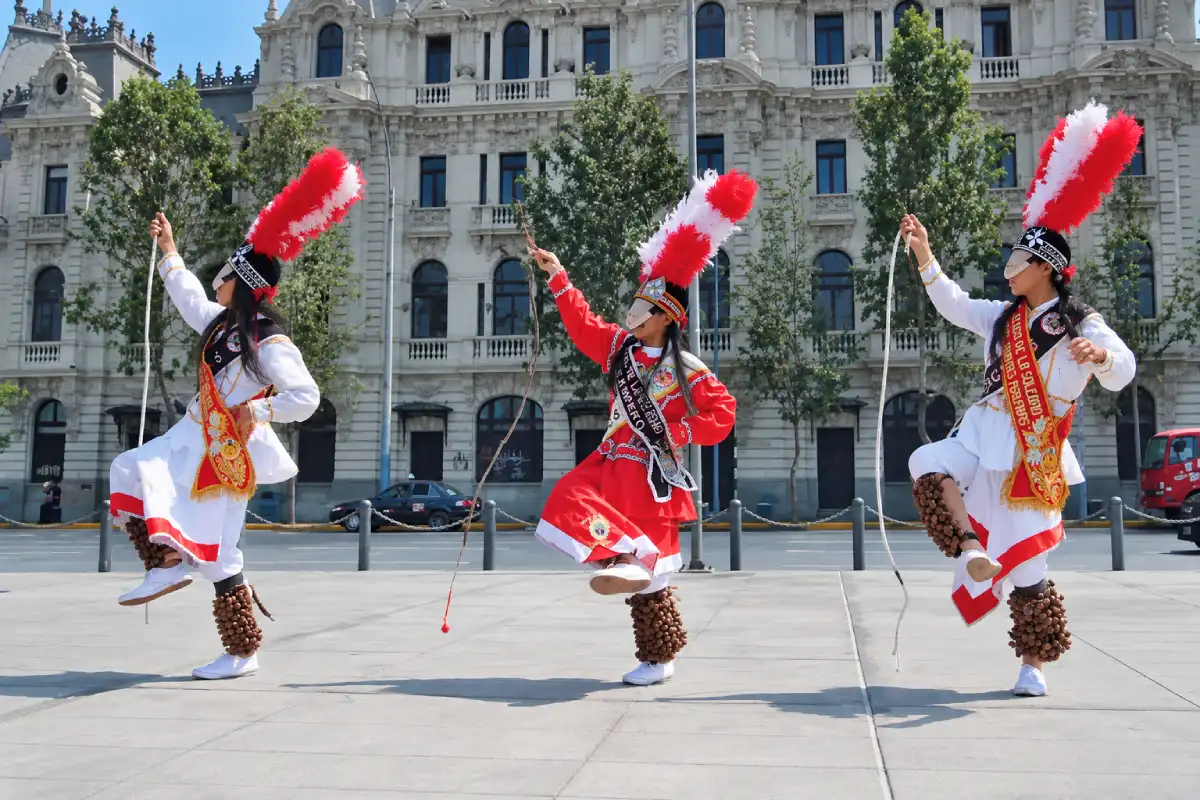
The Shacshas dance is one of Áncash's best-known traditions. Dancers jump, spin, and change formations to the rhythm of instruments such as the flute and drum. One of its distinctive features is the sound made by seeds attached to the dancers' legs, which rattle with each movement. It is performed at various patron saint festivals in the Callejón de Huaylas.
- Where it comes from: The Callejón de Huaylas, Áncash.
- Origins and meaning: Connected to Andean beliefs, nature and religious festivals.
- Clothing: Decorated outfits and leg coverings fitted with seeds that rattle as the dancers move.
15. Chunchos Dance
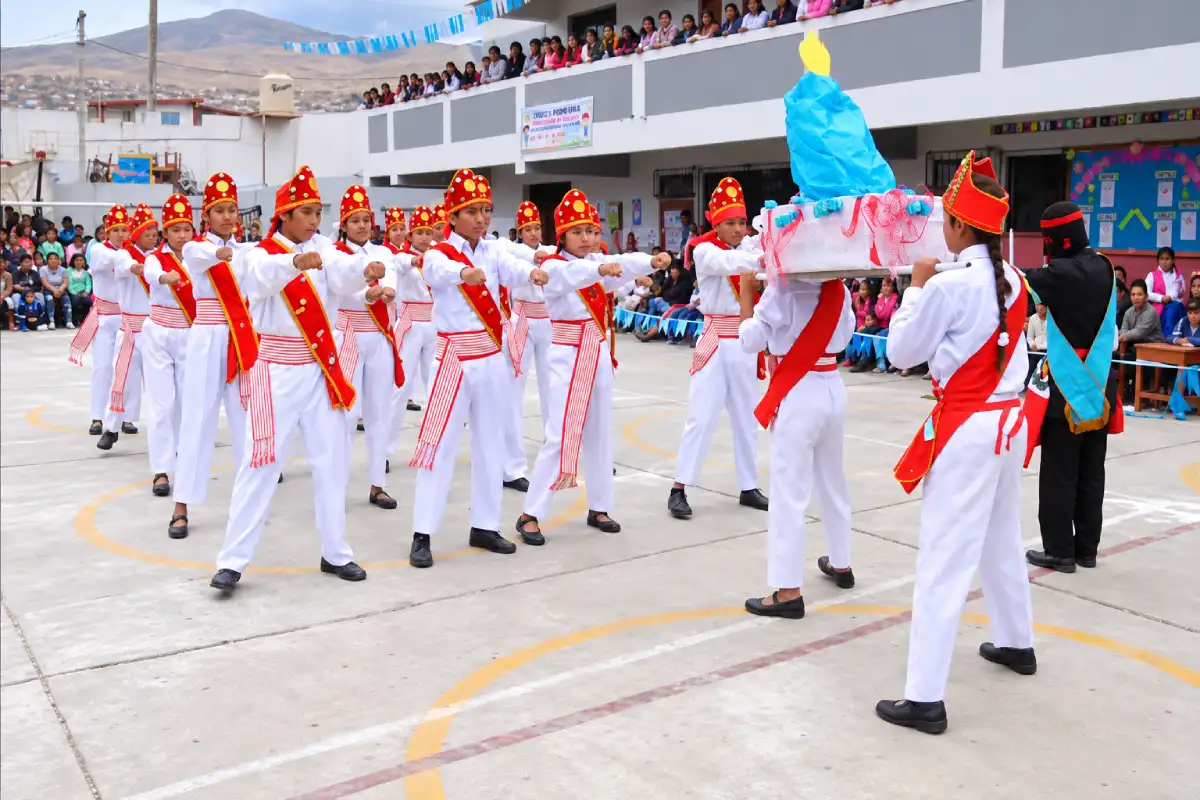
The Chunchos dance is a tradition from Cajamarca, mainly performed during patron saint festivals. Dancers form groups led by a captain, who directs their movements and changes in formation. Their steps are accompanied by the flute, caja drum, and clarín, instruments typical of the region. Another character, the chuncho negro, adds moments of humor to the celebration.
- Where it comes from: Cajamarca, especially Llacanora and Pariamarca.
- Origins and meaning: Portrays Amazonian peoples through an Andean tradition and forms part of Cajamarca's patron saint festivals.
- Clothing: White clothing, a red sash, feathered headdresses and rattles attached to the legs.
Key Features of the Dances of the Peruvian Andes
Although each region has its own dance styles, many Peruvian Andes dances share features such as live music, traditional clothing and a role in community celebrations.
Music and Traditional Instruments
Music sets the rhythm for the steps and movements in Peruvian traditional dances. The instruments vary by region and dance, with musicians performing in small groups, orchestras, or bands. Some of the most common instruments include:
- String instruments: Harp, violin, charango and guitar.
- Wind instruments: Quena, panpipes, clarinet and saxophone.
- Percussion instruments: Tinya, bass drum, and other traditional drums.
Each combination creates a different sound, from the gentle melodies of huayno to the powerful bands that accompany diablada puneña.
Clothing, Embroidery and Masks
Clothing plays an important role in the dances of the Peruvian Andes. Garments, colors, and accessories can express a community's identity, distinguish characters, or represent particular traditions.
| Element | Features and Meaning |
| Traditional clothing | Full skirts, ponchos, woven shawls, and hats reflect each region's style |
| Embroidery and weaving | Feature traditional colors, figures, and patterns, many of them made by hand. |
| Masks | Portray historical characters, authority figures, supernatural beings, or religious figures, depending on the dance. |
| Accessories | Handkerchiefs, walking sticks, ribbons and other objects are used in the movements or have symbolic meaning |
Connections to Festivals and the Farming Calendar
In the Peruvian Andes highlands, dance is closely tied to patron saint festivals, Carnival, and farming. Some dances accompany religious celebrations, while others recall planting, tending crops, and harvesting.
The farming calendar also influences when certain dances are performed. For example, the scissors dance usually takes place during the dry months, while Sarawja marks the end of the rainy season and the beginning of the harvest.
Where and When to Watch Traditional Andean Dances in Peru
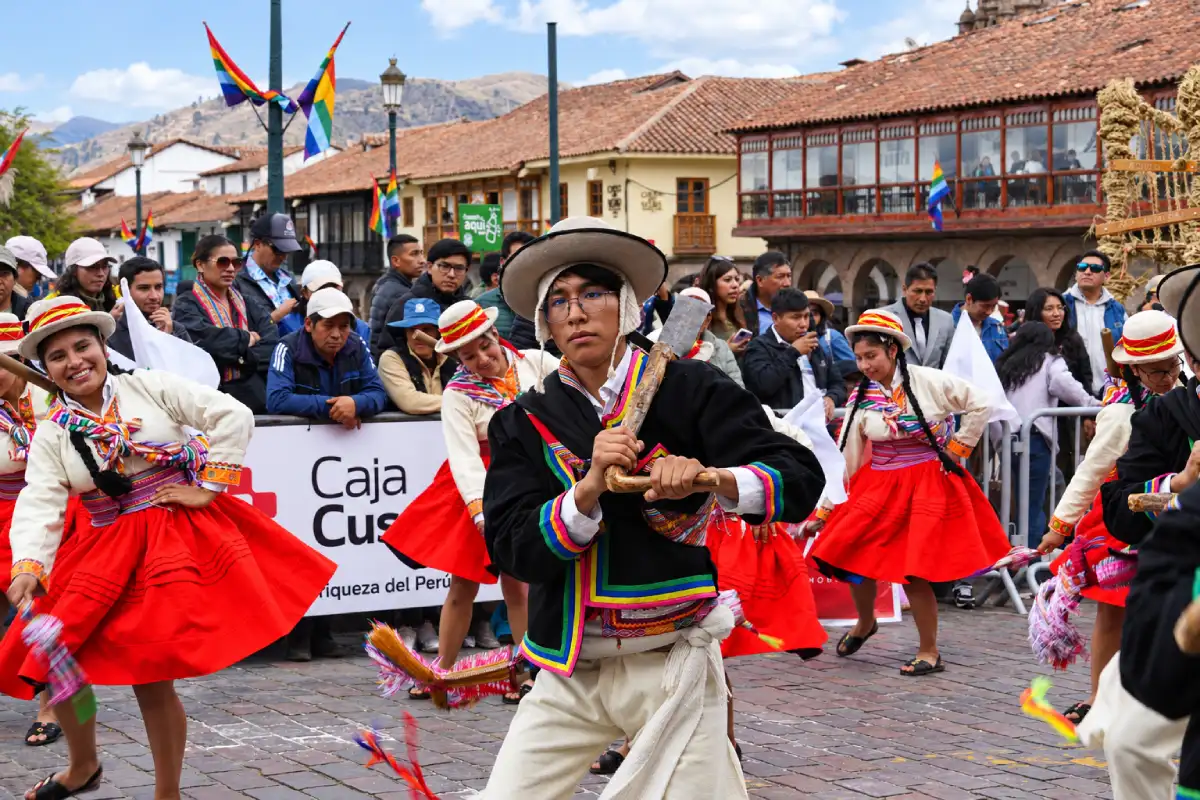
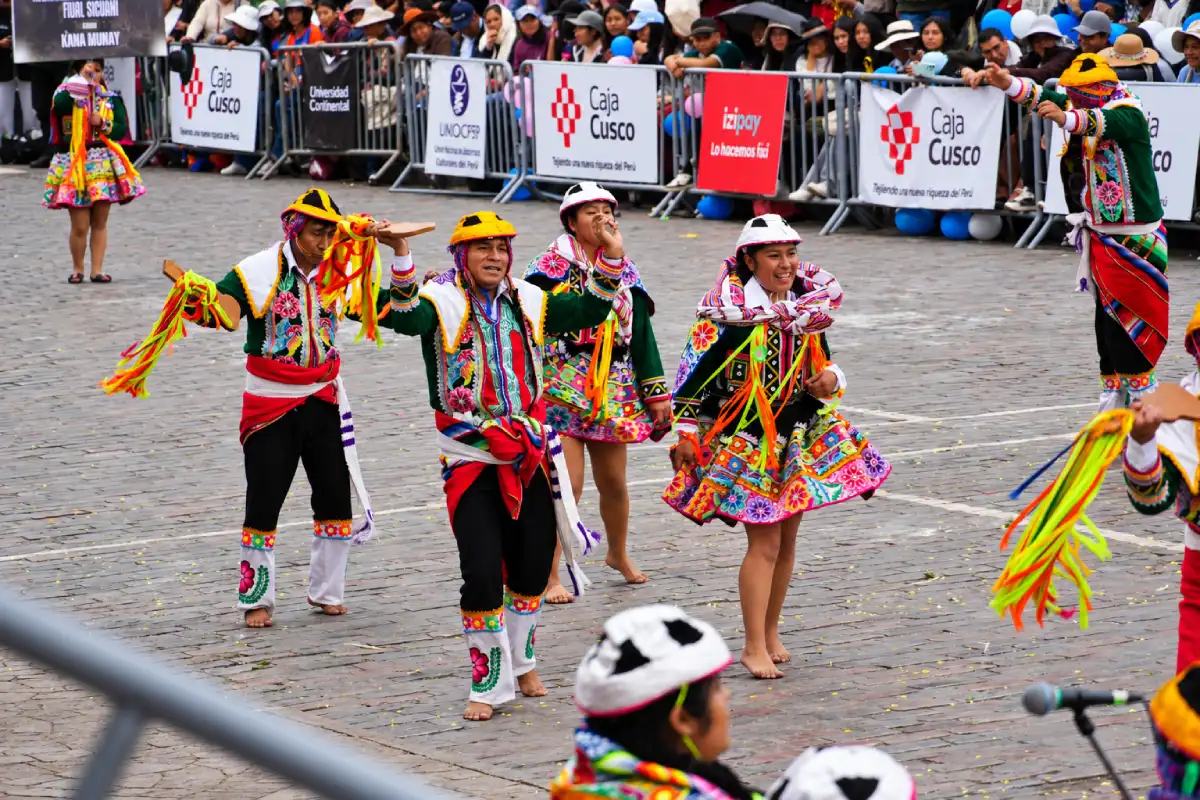
Patron saint festivals, Carnival, and regional celebrations are good opportunities to see the dances of the Peruvian Andes. Cusco, Puno, Junín and Arequipa host some of the country's best-known festivals.
Cusco: June Celebrations and the Virgen del Carmen in Paucartambo
Throughout June, Cusco's streets and squares host parades and traditional dance performances as part of the city's month of celebrations. Inti Raymi takes place on June 24, with music and reenactments of Inca ceremonies.
Another important celebration is the Virgen del Carmen festival in Paucartambo, held from July 15 to 18. Dances such as Qhapaq Qolla, Qhapaq Ch'unchos, and Saqras accompany the processions and local festivities.
Puno: Virgen de la Candelaria Festival
February is one of the best months to see traditional dances in Puno. The Virgen de la Candelaria festival, whose main feast day is February 2, brings together groups from different provinces of the Altiplano.
Competitions and street parades feature Indigenous dances and performances in elaborate, glittering costumes, including diablada puneña, morenada and other regional traditions. Performance dates change each year, so check the official program.
Junín: Huaconada de Mito and Mantaro Valley Festivals
In Junín, celebrations begin with the Huaconada de Mito from January 1 to 3, when masked dancers parade through the district's streets. From January 20 to 25, the district of Yauyos in Jauja holds its traditional Tunantada celebrations.
During Carnival, between February and March, huaylarsh performances also take place in different towns throughout the Mantaro Valley. Dates vary according to each community's calendar.
Arequipa: Colca Valley Festivals
In the Colca Valley, the Wititi dance is part of religious festivals and community celebrations. One of the best opportunities to see it is during Chivay's Feast of the Immaculate Conception in December, especially on December 7 and 8.
It is also performed in other towns in the valley, such as Yanque and Achoma, during various rainy-season festivals. These celebrations offer a chance to see the dance in its traditional setting.
Tips for Enjoying Peruvian Traditional Dances During Your Trip
- Check the festival program: Look up the official dates and times for competitions, street parades, and performances.
- Arrive early: Squares and streets often fill up during the most popular celebrations.
- Book accommodation in advance: Places to stay and transport can fill up quickly during major festivals.
- Dress for the weather: Wear comfortable shoes, use sunscreen and bring a warm jacket. Weather in the Peruvian Andes highlands can change throughout the day.
- Respect local customs: Avoid interrupting dances, processions or ceremonies. Join in only when the organizers invite you to.
Ask before taking photos: This is especially important during religious ceremonies or moments that hold special meaning for the community.
Frequently Asked Questions
Which Andean Dances in Peru Are Recognized by UNESCO?
UNESCO has added the scissors dance and Huaconada de Mito (2010), Wititi from the Colca Valley (2015), and Sarawja from Moquegua (2025) to its Representative List of the Intangible Cultural Heritage of Humanity. The Virgen de la Candelaria festival in Puno, which includes many traditional dances, has also been on the list since 2014.
What Is the Difference Between a Traditional Peruvian Dance and a Folk Performance?
The main difference is the setting. A traditional dance forms part of a community's customs and celebrations, while a folk performance is often adapted for a stage or show. Both can preserve elements of the original culture.
Can You See Andean Dances Outside Patron Saint Festivals?
Yes. In cities such as Cusco and Puno, cultural centers, folk shows and arts events present regional dances from Peru at different times of the year.
Do You Need to Pay to Watch Traditional Dances?
It depends on the event. Many street parades and celebrations in public squares are free, but some competitions, shows and performances at dedicated venues require a ticket.
Can You Learn Typical Dances of Peru During Your Trip?
Yes. Some cultural centers, dance schools, and folk dance groups offer workshops for visitors. These give you a chance to practice basic steps and learn about the meaning of the dances with local instructors.

Add new comment