



Peru is a country full of wonders, where the history of ancient civilizations, rich culture, and beautiful nature blend harmoniously. From the warm sands of the beaches along the coast, through the snow-capped peaks of the Andes, to the unexplored depths of the Amazon rainforest, Peru offers an almost endless array of activities and ways to enjoy your time.
Whether you’re strolling through cities with delicious food, hiking the beautiful Inca trails, or exploring the lesser-known regions of the jungle, it’s clear that Peru is a country for everyone. This travel guide will show you the best places to visit in Peru so you don’t get lost in such a rich and vast country!
Places to visit in Peru: Overview
Interest | Destinations |
| Culture | Machu Picchu, Cusco, the Sacred Valley, the Nazca Lines, Huaca de la Luna, Chan Chan, Kuélap. |
| Living culture | Cusco, the Sacred Valley, Puerto Maldonado, Lima, Arequipa, Colca Canyon, Lake Titicaca and Puno, the Uros Islands, Gocta Waterfall, Iquitos, the northern beaches. |
| Historic heritage | Cusco, Lima, Arequipa, the Nazca Lines. |
| Andes | Machu Picchu, Rainbow Mountain, Humantay Lake, the Millpu Turquoise Pools, Huascarán, Lake 69. |
| Adventure | Machu Picchu, the Sacred Valley, Rainbow Mountain, Humantay Lake, Colca Canyon, Paracas and the Ballestas Islands, the Nazca Lines, Huacachina and Ica, the Millpu Turquoise Pools, Huascarán, Lake 69, Kuélap, Gocta Waterfall, Iquitos, the northern beaches. |
| Nature | Rainbow Mountain, Humantay Lake, Puerto Maldonado, Tambopata National Reserve, Manu National Park. |
| Amazon | Puerto Maldonado, Tambopata National Reserve, Manu National Park, Gocta Waterfall, Iquitos. |
| Wildlife | Puerto Maldonado, Tambopata National Reserve, Manu National Park, Colca Canyon, Lake Titicaca and Puno, Paracas and the Ballestas Islands, Huascarán, Gocta Waterfall, Iquitos, the northern beaches. |
| Coast | Lima, Paracas and the Ballestas Islands, the northern beaches. |
| Highlands | Lake Titicaca and Puno, Colca Canyon, the Uros Islands. |
| Food and cuisine | Cusco, Puerto Maldonado, Lima, Arequipa, Lake Titicaca and Puno, Paracas and the Ballestas Islands, Huacachina and Ica, the northern beaches. |
25 best places to visit in Peru
Machu Picchu
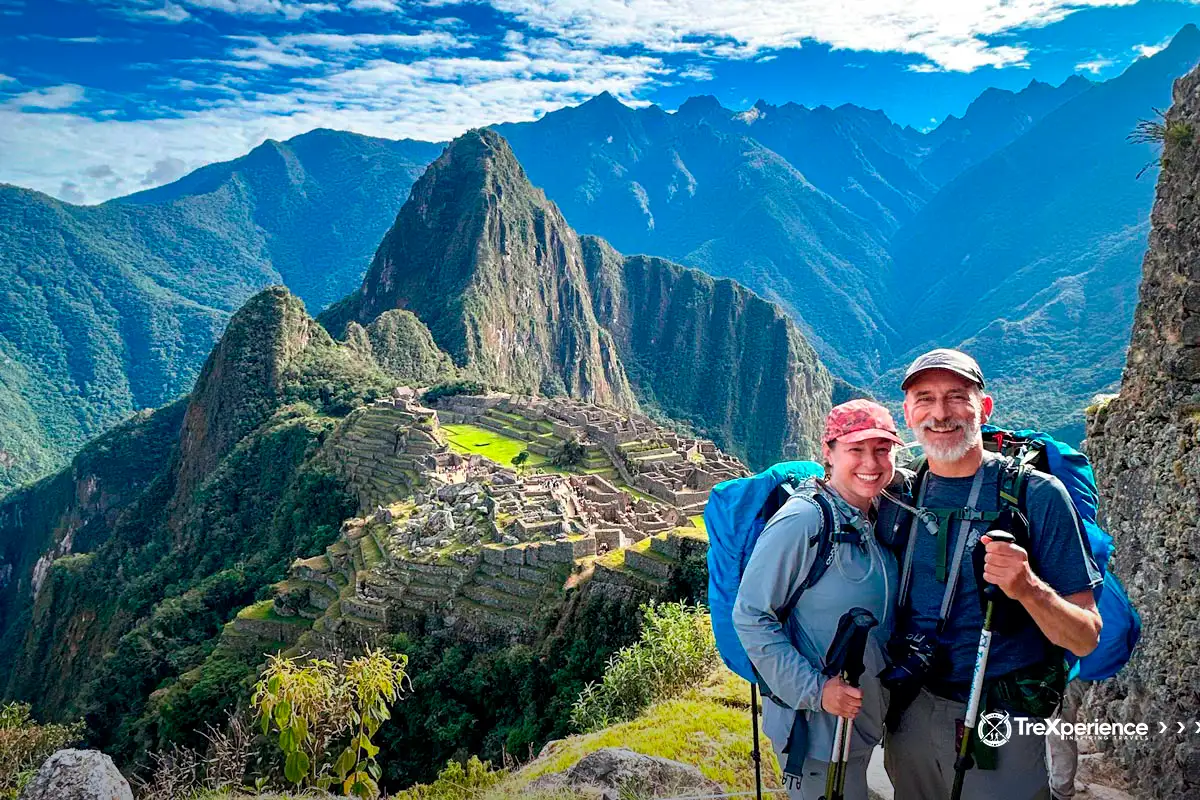
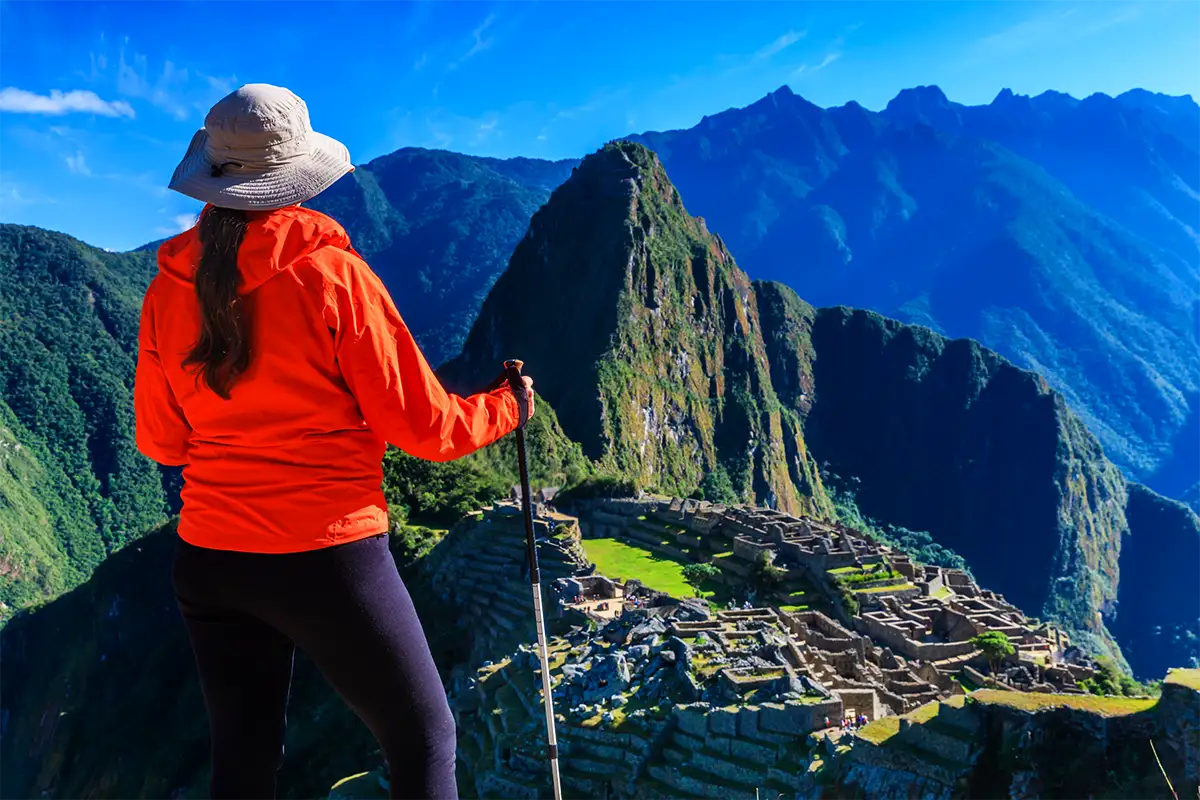
Machu Picchu comes first on almost any list of “places to visit in Peru.” This Inca city stands 2,430 meters above sea level, between the Andes and Peru’s tropical forest, and impresses visitors with its terraces, temples, and precisely fitted stone blocks. During the Inca period, it served residential, religious, and administrative purposes. Spanish conquistadors never reached it, which is why around 90% of its original structure remains. The route leading there, the Inca Trail, is one of the world’s most popular trekking routes and follows the same path used by the Incas more than 500 years ago. Book your Machu Picchu tickets well in advance and allow at least half a day for the circuit so you can explore without rushing.
Cusco
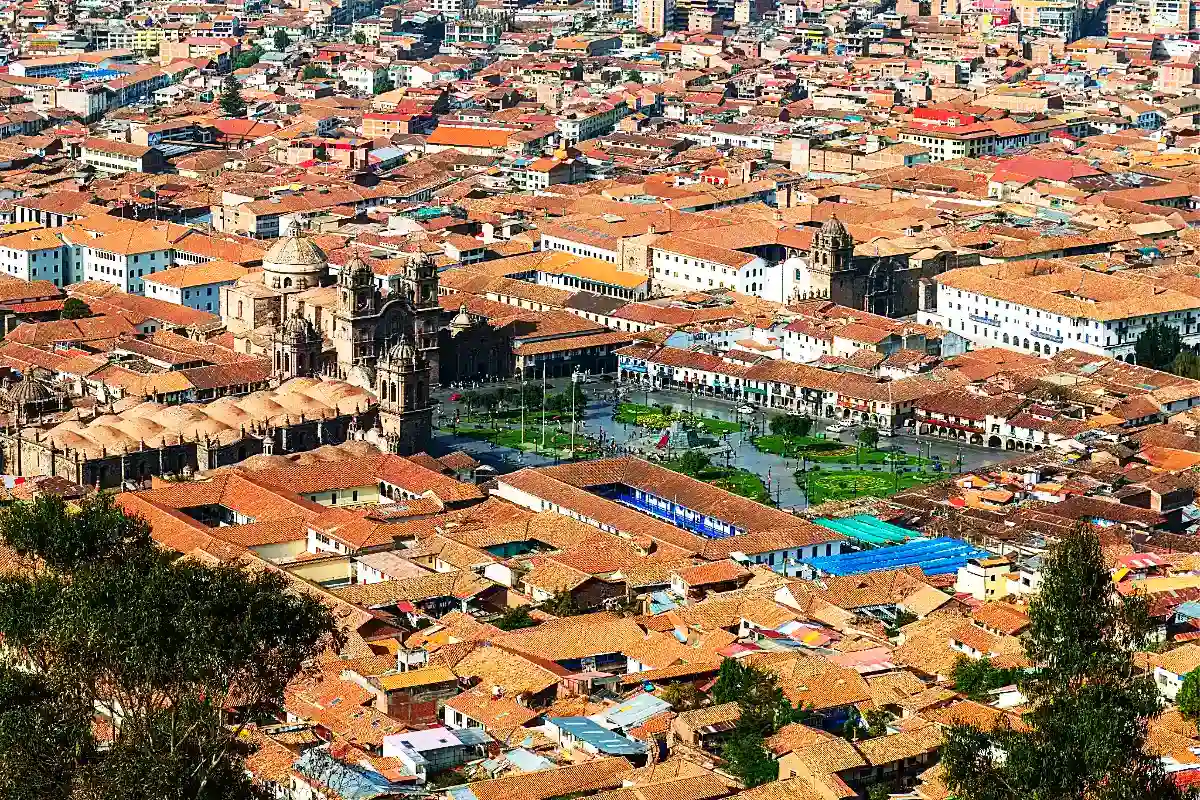
Cusco is one of the best places to visit in Peru because it allows you to explore nearly 3,000 years of Andean history. At 3,400 meters above sea level, the ancient city of Qosqo was redesigned by Inca Pachacútec in the 15th century to become the capital of the Inca Empire, or Tahuantinsuyo. After the Spanish conquest of the Incas, Catholic churches and colonial palaces were built over the remains of former Inca palaces. This blend of architectural and cultural styles is still alive in the city’s streets, markets, festivals, and cuisine, making every walk feel like an open-air history lesson.
Sacred Valley of the Incas
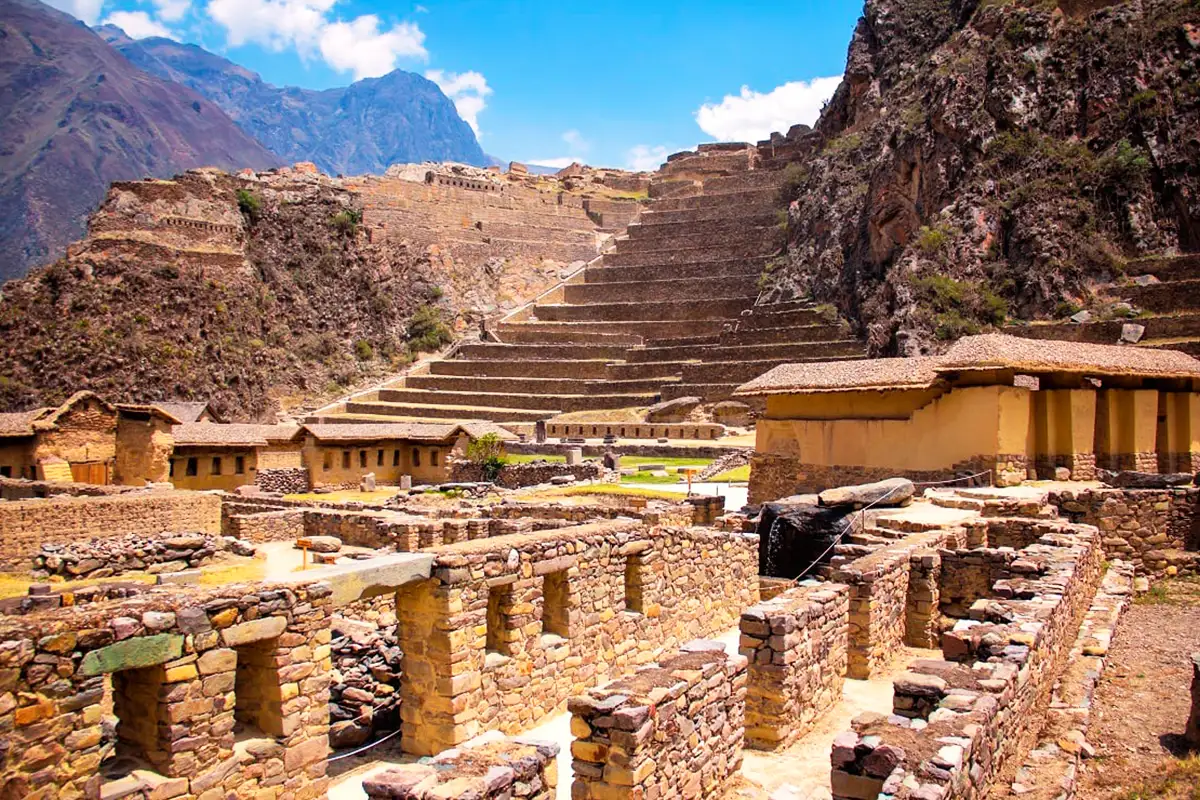
Considered sacred by the Incas because of its fertile farmland, the Sacred Valley lies northwest of Cusco. The Urubamba River waters the valley, while higher on its slopes the Incas built remarkable military, agricultural, and urban complexes such as Pisac, Huchuy Qosqo, Moray, and others. At Ollantaytambo, Inca Pachacútec built a fortified town with military, religious, administrative, and agricultural functions, along with large food storehouses. It is an ideal place to combine archaeology, culture, and beautiful scenery before traveling to Machu Picchu.
Rainbow Mountain
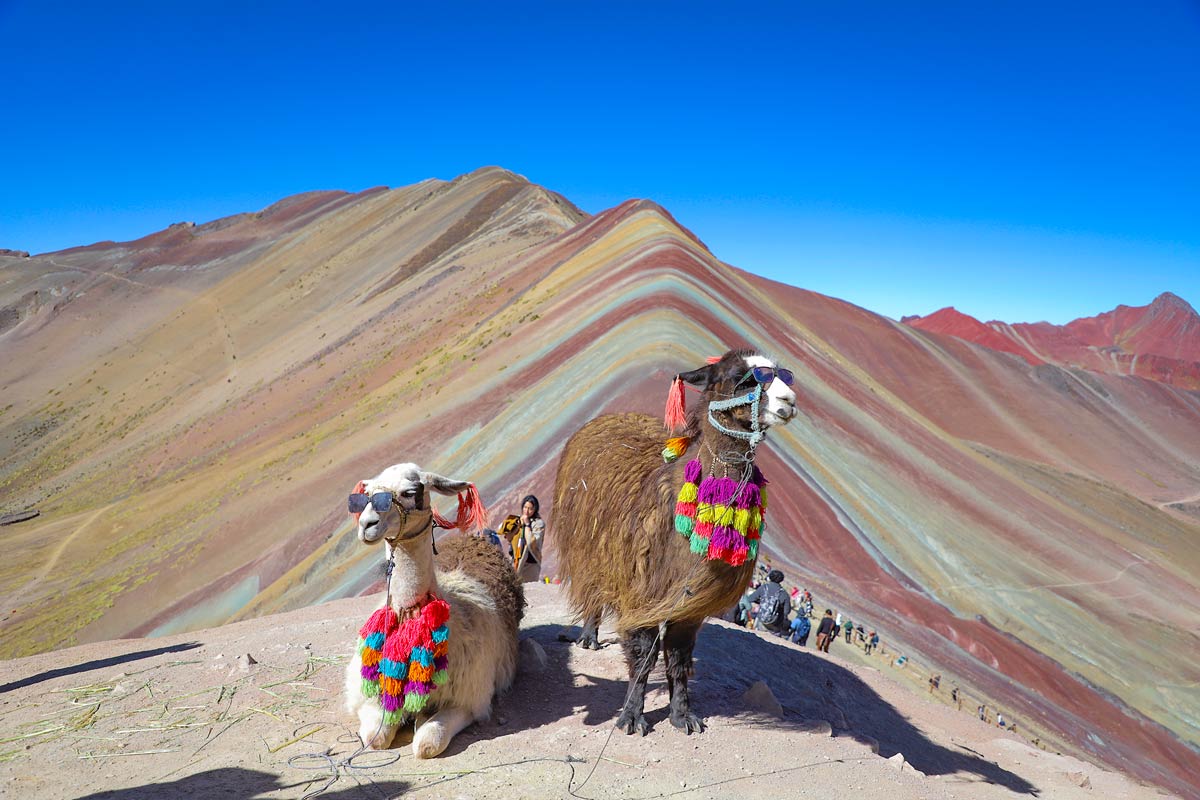
For travelers looking for adventure in Peru, Rainbow Mountain is hard to ignore. Vinicunca Mountain, also known as Rainbow Mountain or the Mountain of Seven Colors, rises above 5,000 meters. Its natural bands are studied for their mineral composition and the geological processes that formed them. The full-day hike offers unforgettable views of Ausangate and the high Andean grasslands. Acclimatize first, and you will reach one of Cusco’s most remarkable viewpoints.
Keep in mind that it is not the only one. You can also visit the colorful mountains of Palcoyo (4,900 m) and Pallay Punchu (4,700 m).
Humantay Lake
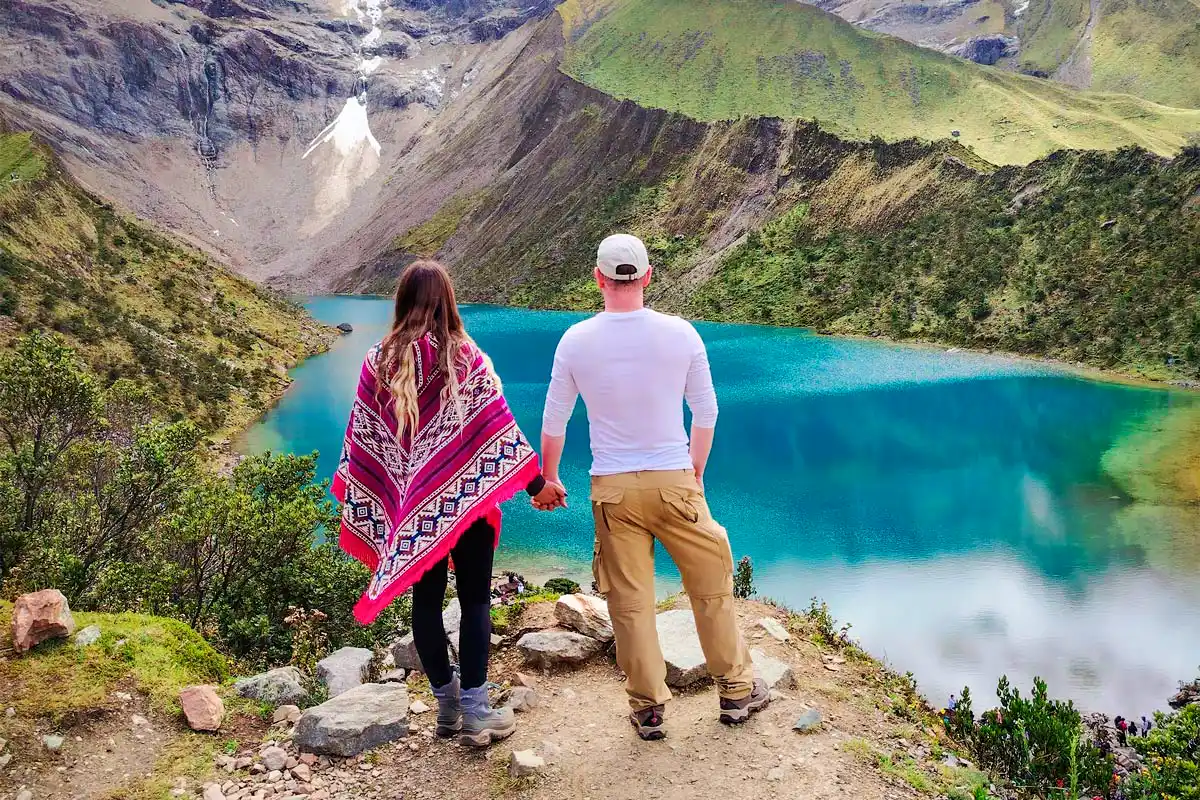
Humantay Lake lies at the foot of the Humantay and Salkantay snow-capped mountains, 4,200 meters above sea level. It is approximately 618 meters long, 164 meters wide, and up to 17 meters deep. Its color comes from the clear glacial water flowing from the surrounding peaks, along with microalgae and reflections of sunlight. The full-day hike from Soraypampa is demanding, but the reward is exceptional: a unique glacial landscape where local communities still leave offerings to Pachamama.
Puerto Maldonado
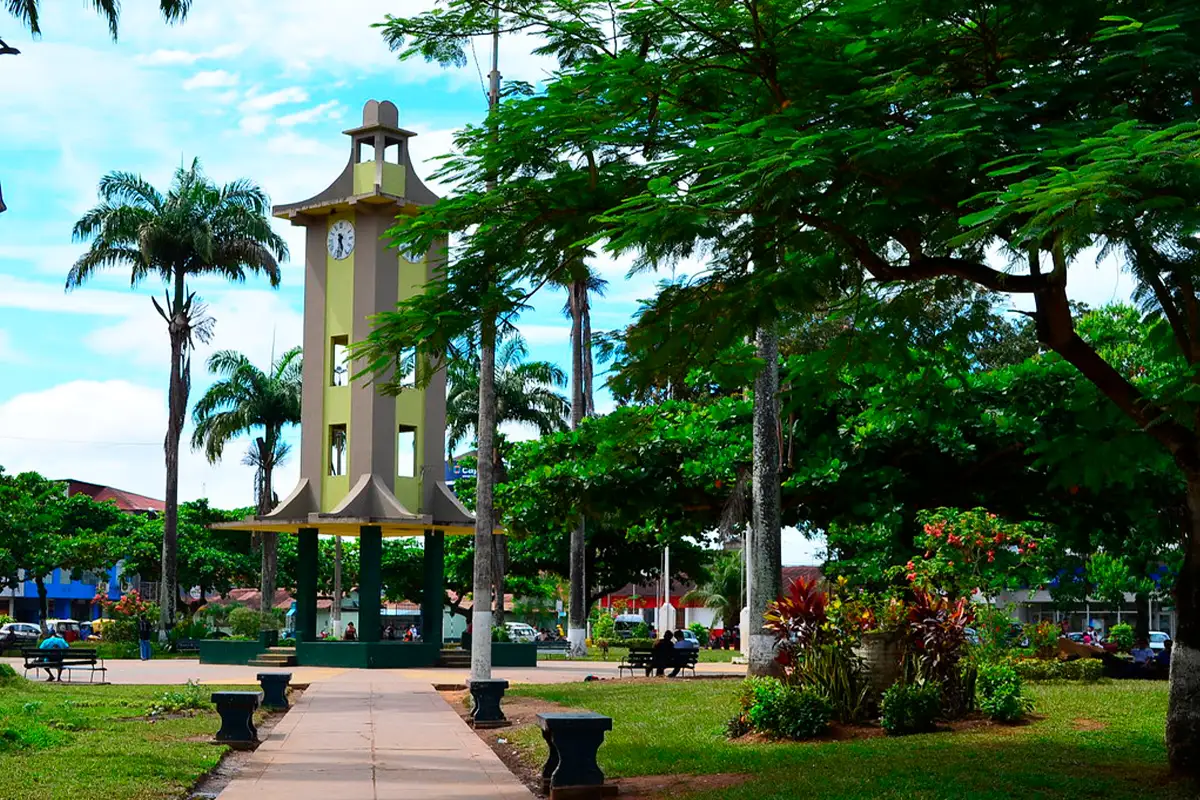
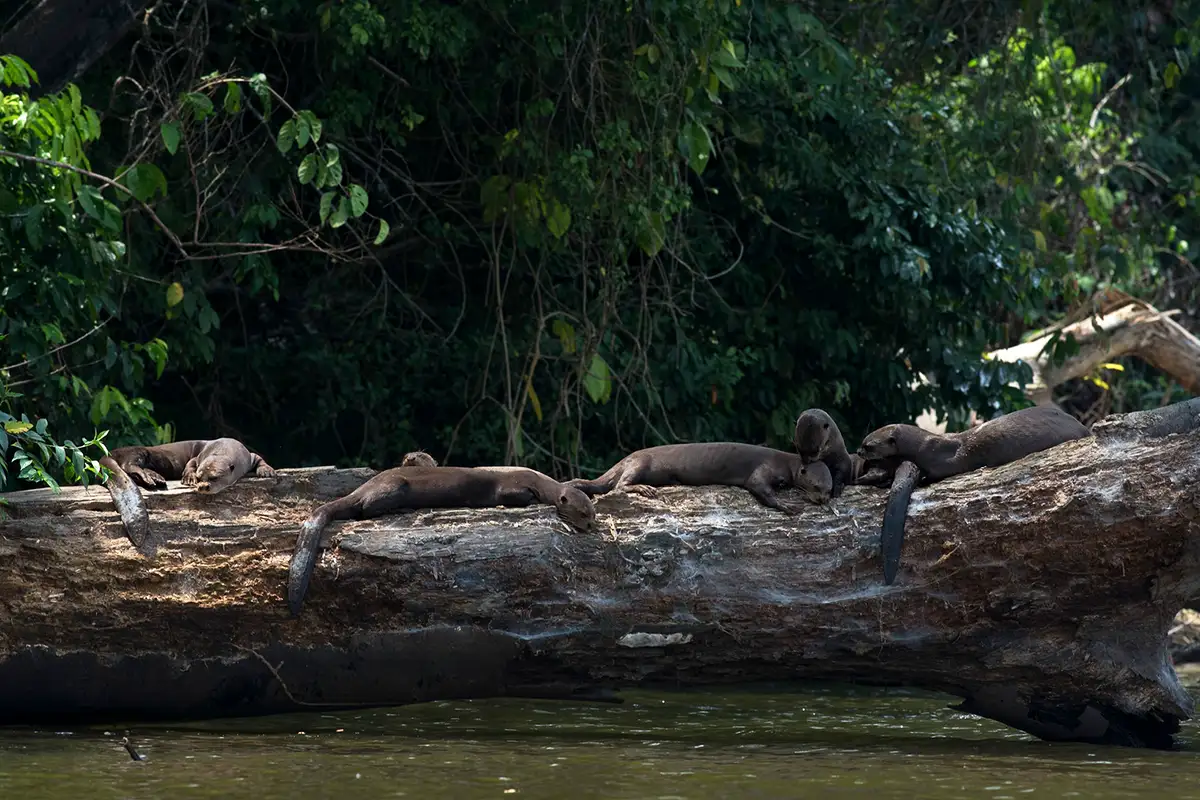
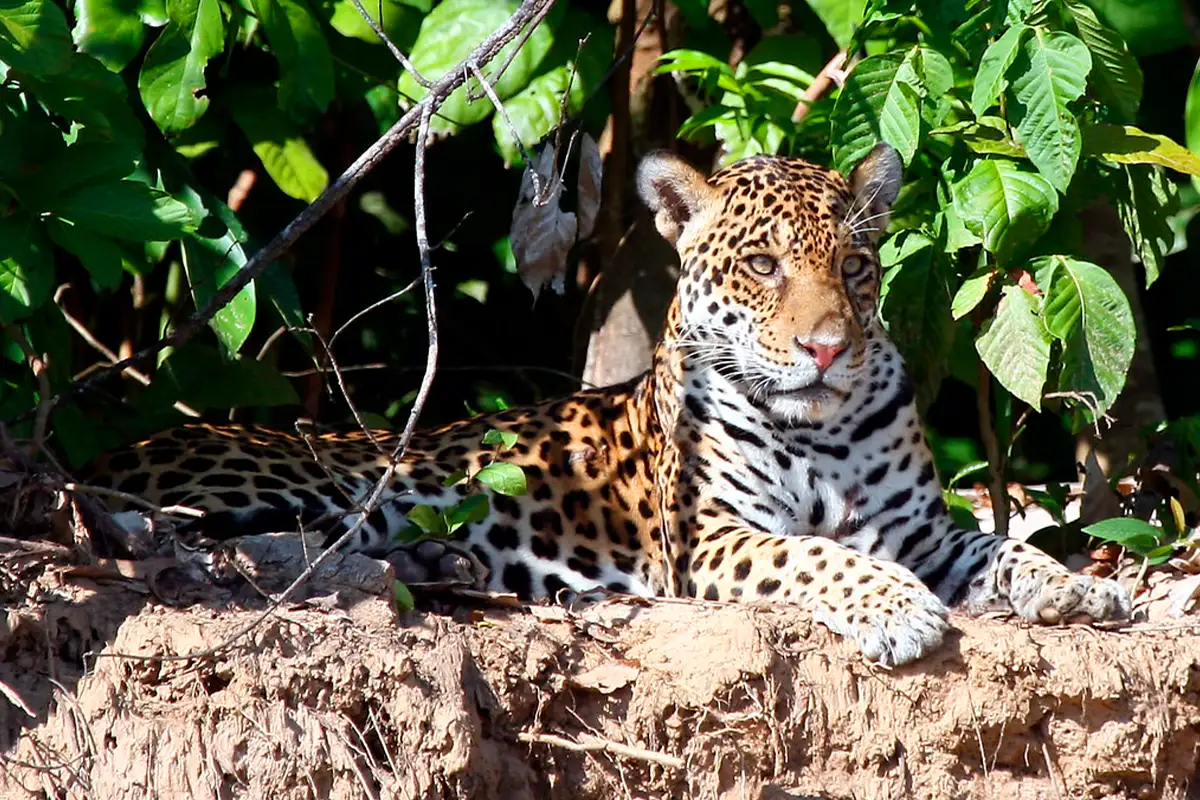
Puerto Maldonado is one of the destinations in Peru that offers the best introduction to the Peruvian Amazon. From this southern city, you can reach Lake Sandoval, Tambopata National Reserve, and Manu National Park. By boat and along forest trails, you may spot hoatzins, monkeys, river turtles, giant river otters, caimans, and even the elusive otorongo, or jaguar, among other species. Jungle lodges let you wake to the sounds of the forest, while the city provides a comfortable base with essential services.
Tambopata National Reserve
Tambopata National Reserve protects 274,690 hectares of Amazon rainforest and is home to around 600 bird species, 205 fish species, and 112 butterfly species active during the day. Its clay licks attract parrots and macaws, while its oxbow lakes offer chances to see giant river otters, river turtles, and monkeys. Cruising the Tambopata River at sunrise or listening to the jungle at night from your lodge makes a multi-day stay a complete and unforgettable nature experience.
Manu National Park
Manu National Park is one of the most extraordinary destinations to visit in Peru, connecting the Andes and the Amazon across 1,716,295 hectares. SERNANP, Peru’s National Service of Natural Areas Protected by the State, records 1,030 bird species, 228 mammals, 750 orchids, and 1,650 tree species. Visiting with an authorized tour operator allows you to explore cloud forests, oxbow lakes, and rivers in search of macaws, giant river otters, and, with luck, jaguars.
Lima
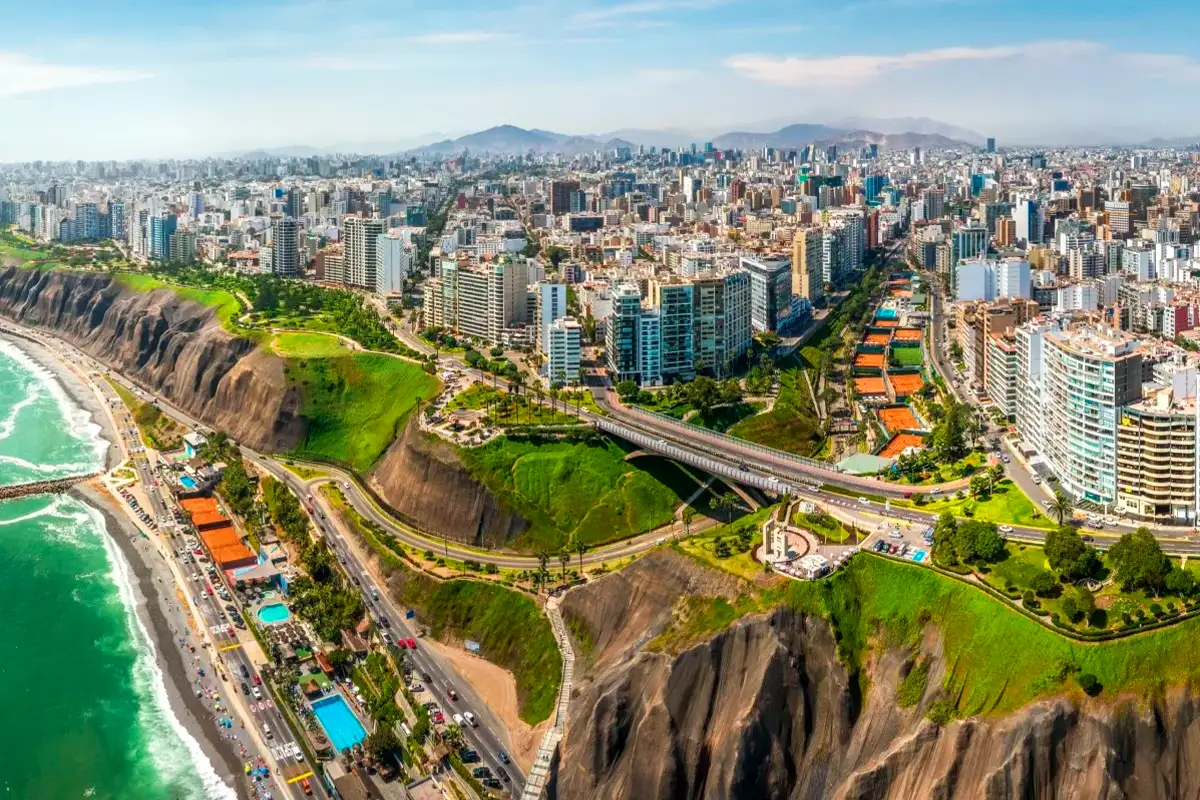
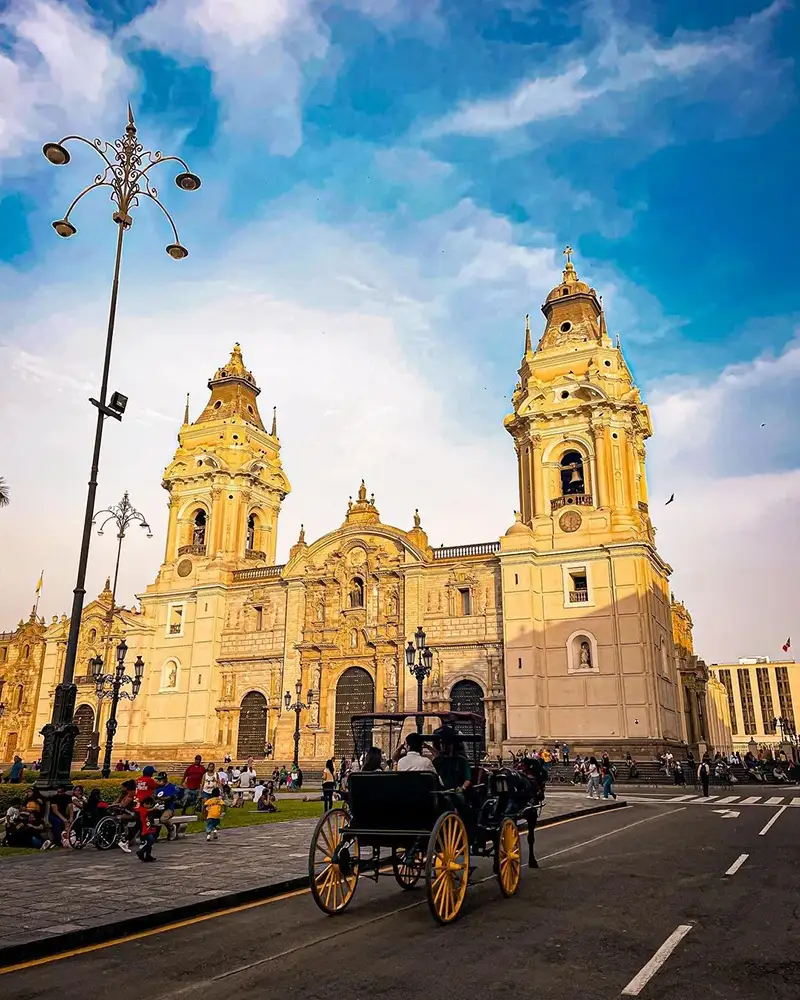
Lima, the capital of Peru, was founded in January 1535 by Spanish conquistador Francisco Pizarro. Known as the City of Kings, Lima was the most important capital of Spanish rule in South America until the mid-18th century. Today, it combines balconies, convents, and huacas, or ancient pre-Inca ceremonial sites, with Peruvian cuisine, oceanfront promenades, and artistic neighborhoods. For all these reasons, Lima is much more than a stopover on the way to Machu Picchu.
Miraflores and Barranco, two of the city’s most popular upscale districts, are also among the best places to visit in Lima, Peru.
Arequipa
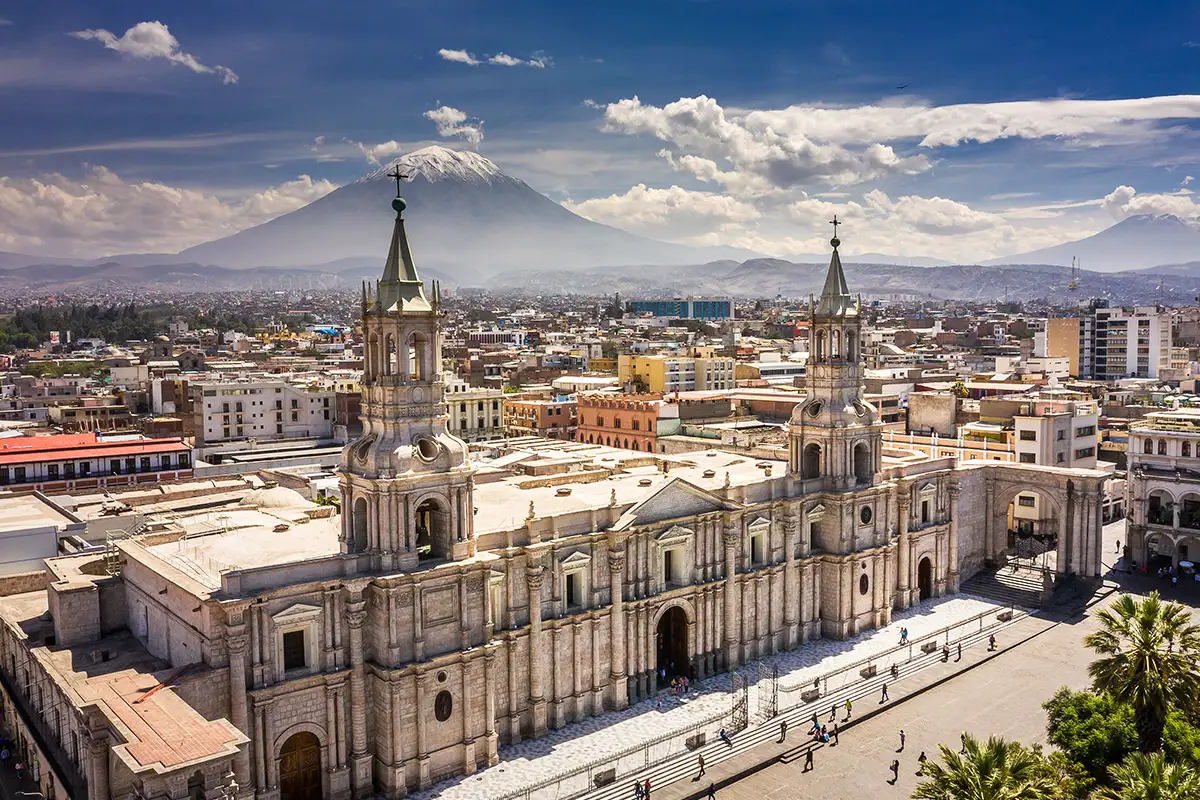
Arequipa shows why Peru’s attractions go far beyond Inca sites. Its historic center was built from volcanic sillar stone, used to create sturdy walls, arches, vaults, and Baroque façades that blend European and Andean techniques. This helps explain why its historic center has one of the strongest European influences in Peru. Visit the Santa Catalina Monastery, enjoy traditional Peruvian dishes at a picantería, and take in views of Misti Volcano.
That is Arequipa: history, architecture, and flavor in one city.
Colca Canyon
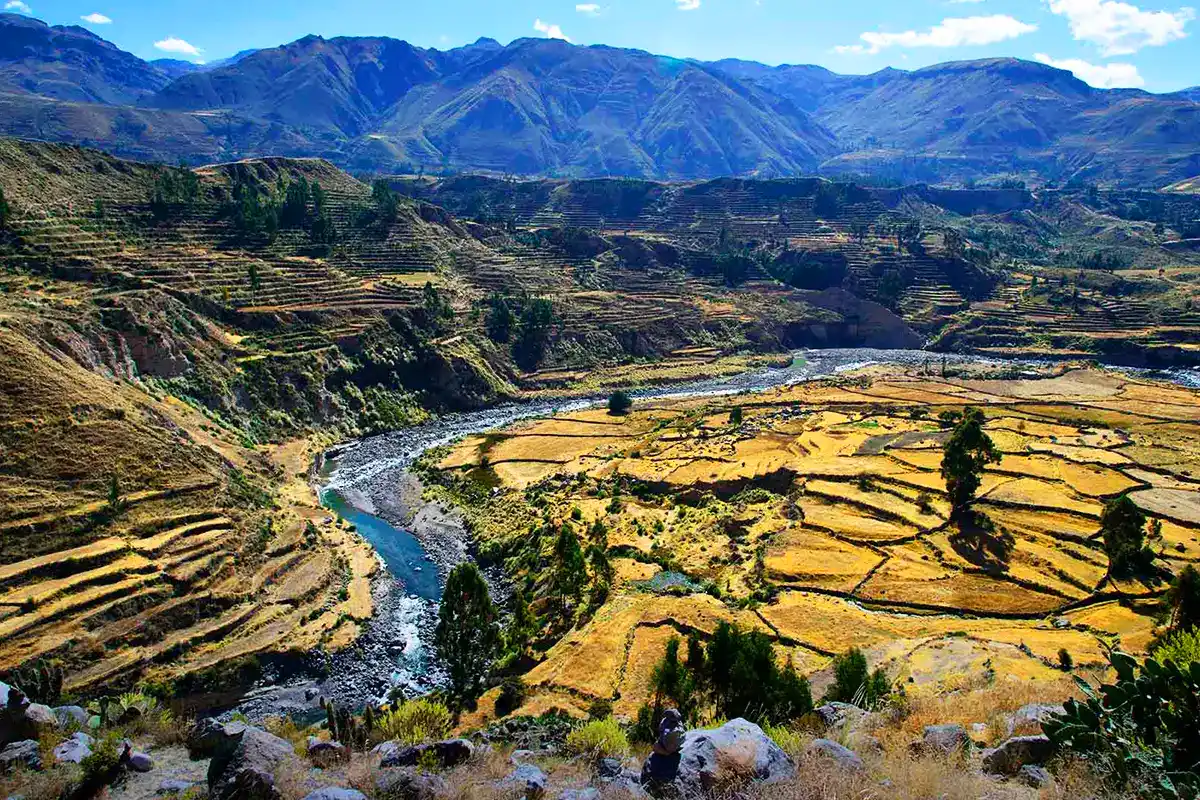
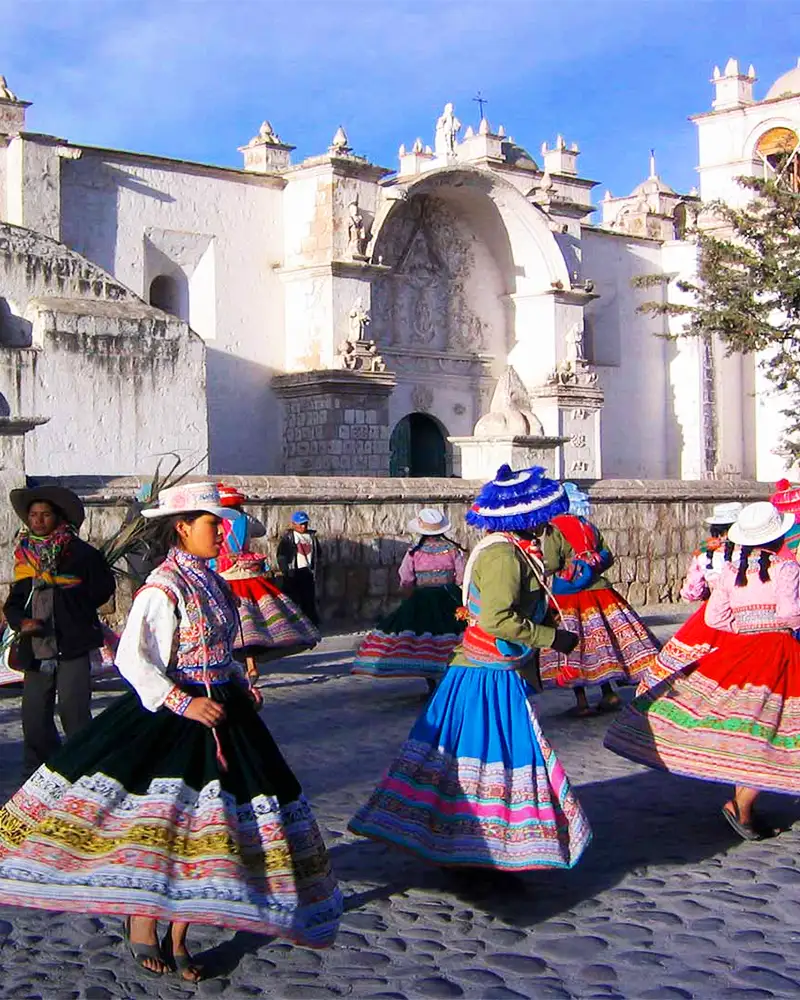
Colca Canyon combines adventure and culture across a landscape stretching about 120 km through the Arequipa region. Carved by the Colca River between volcanoes and Andean farming terraces, it offers viewpoints where you can watch Andean condors soar and visit villages built along the canyon slopes. These communities preserve ancestral customs and local cuisine. Stay at least one night to enjoy hikes, hot springs, and clear night skies without rushing.
Lake Titicaca and Puno
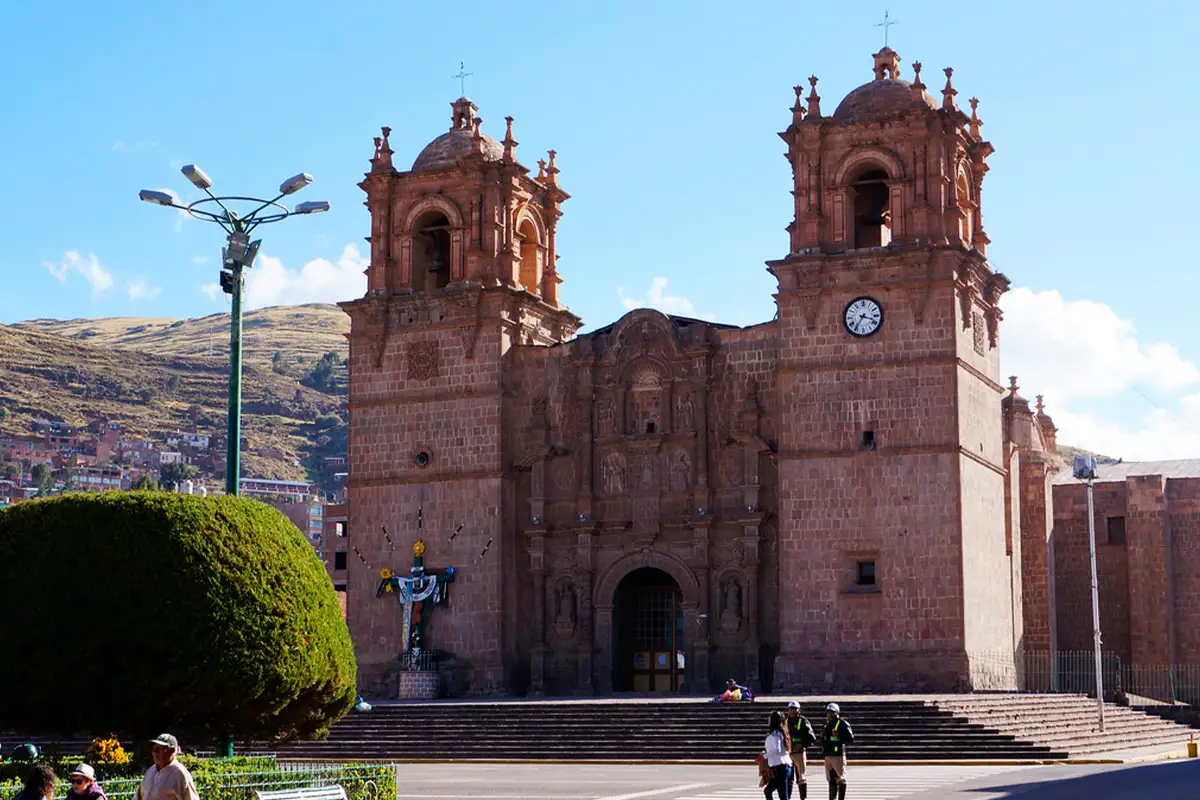
If you are wondering what to see in Peru, Lake Titicaca and nearby Puno offer one of the best answers. At 3,812 meters above sea level, it is the world’s highest navigable lake. It covers around 8,300 km² and reaches depths of up to 281 meters. Sailing between its islands, listening to local Andean music, and meeting communities that preserve centuries-old weaving and traditions will help you understand the Altiplano beyond its scenery.
Uros Islands
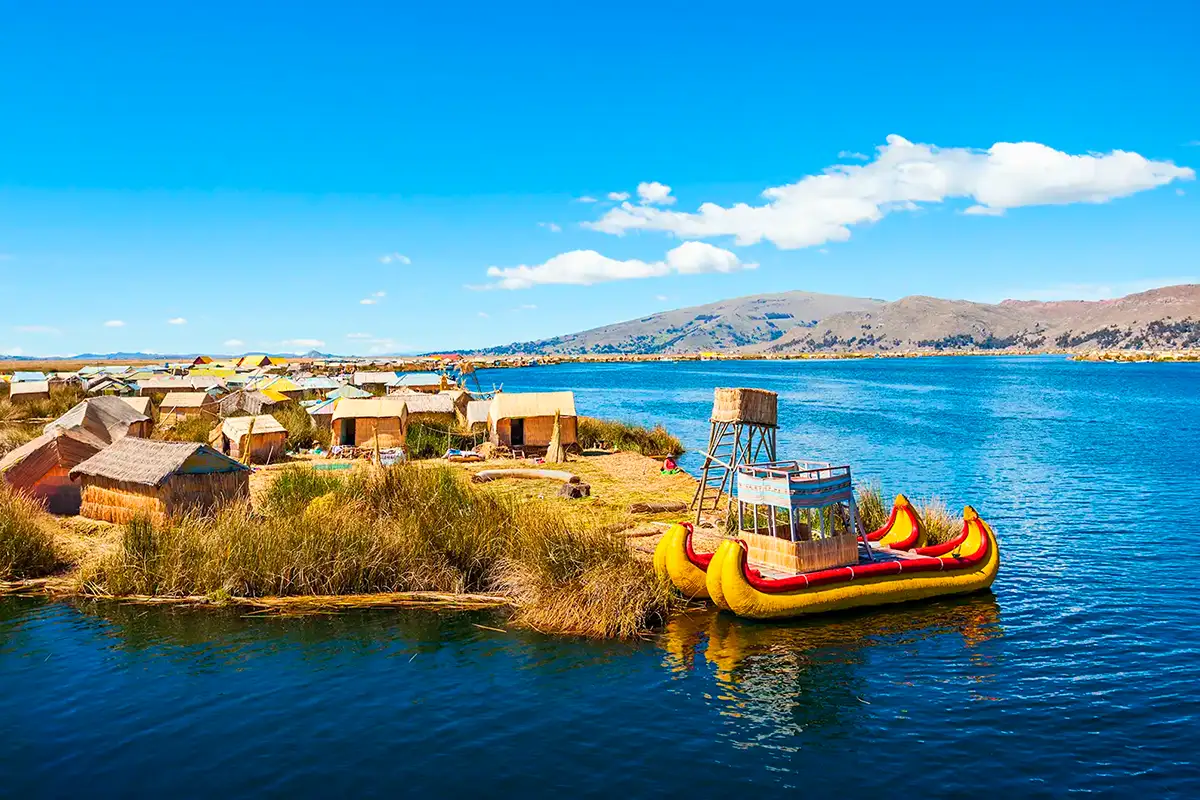
The Uros Islands are more than picturesque islands. They are floating platforms made from totora reeds, a light but strong plant that grows along the shores of Lake Titicaca. The same reeds are used to build the homes on top of the islands, as well as boats and handicrafts made by local residents.
They are located in Puno Bay, about 6 km from the port. Visit respectfully, spend time with residents, and learn how they keep their island homes afloat using traditional techniques. The experience offers far more than a photo opportunity.
Paracas and the Ballestas Islands
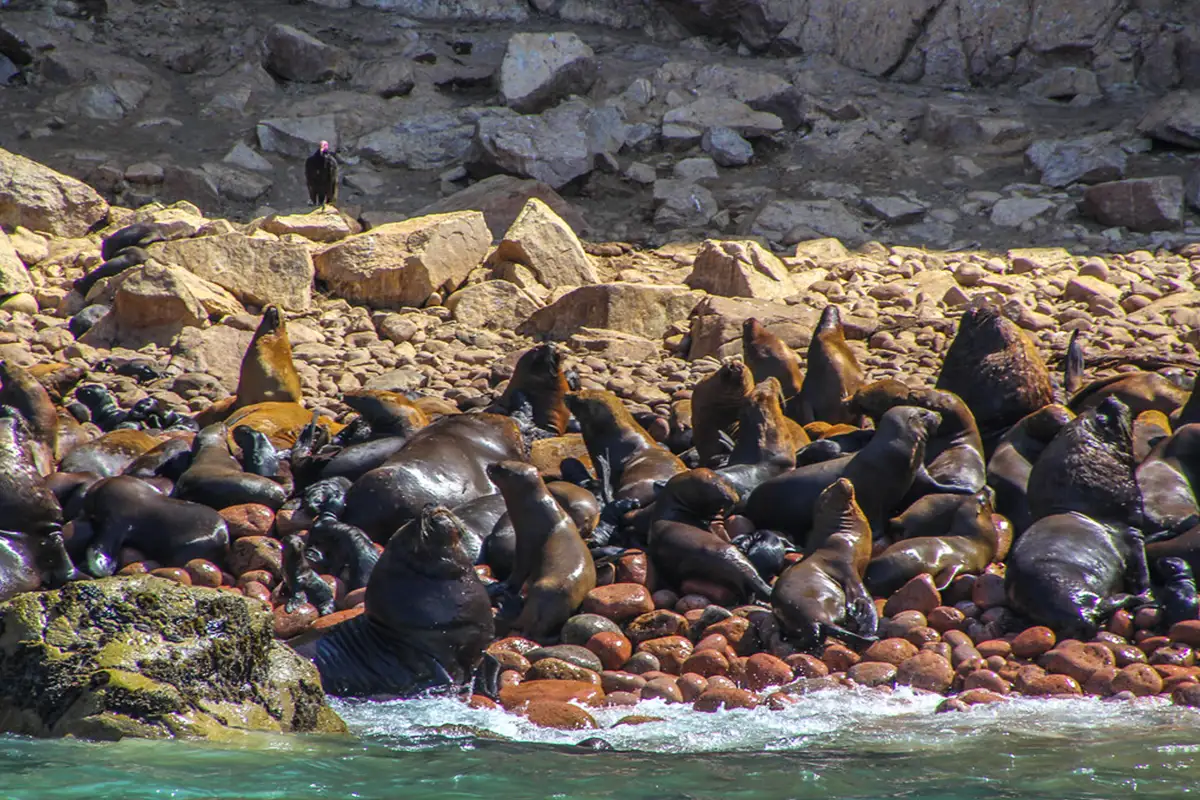
Paracas and the Ballestas Islands bring desert and ocean together in a day filled with marine wildlife. Paracas National Reserve protects 335,000 hectares of desert south of Lima and is home to 216 bird species, 168 fish species, and 36 mammals. Just offshore, the Ballestas Islands shelter sea lions, Humboldt penguins, and seabirds, creating a perfect blend of biodiversity and coastal scenery.
Nazca Lines
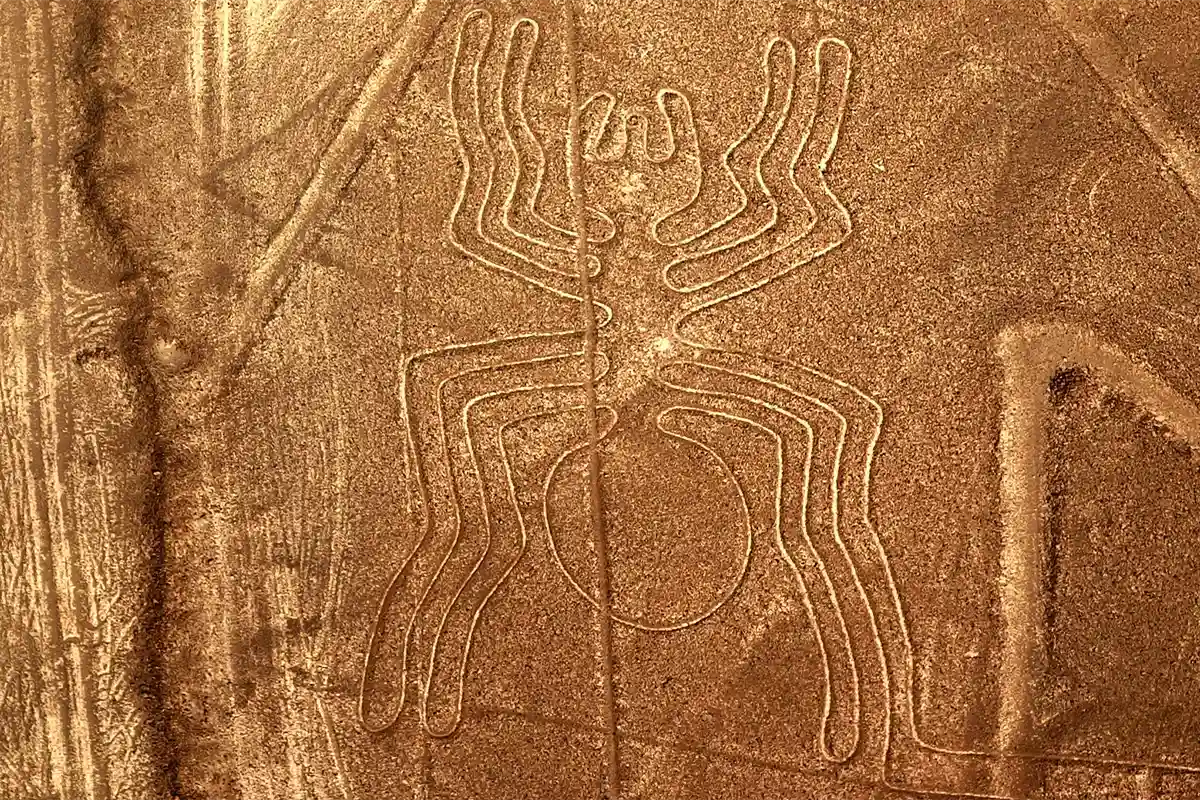
The Nazca Lines are undoubtedly among the best places to visit in Peru because of their mysterious origin, purpose, and the many theories that try to explain them. Created by the pre-Inca Nazca culture between 500 BC and AD 500, they cover around 450 km² with figures of animals, plants, and mythical beings, some stretching for several kilometers. A scenic flight reveals designs that are impossible to fully appreciate from ground level. Afterwards, nearby viewpoints and museums help explain their impressive shapes and scale.
Huacachina and Ica
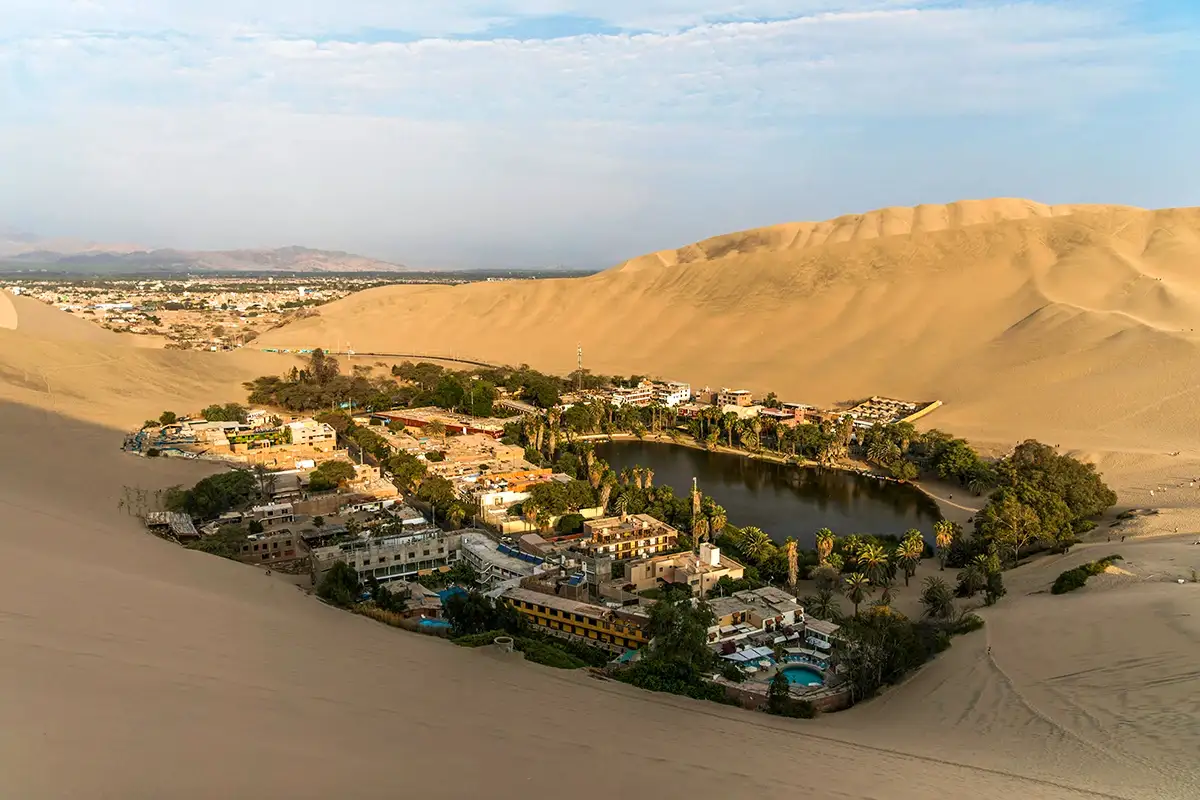
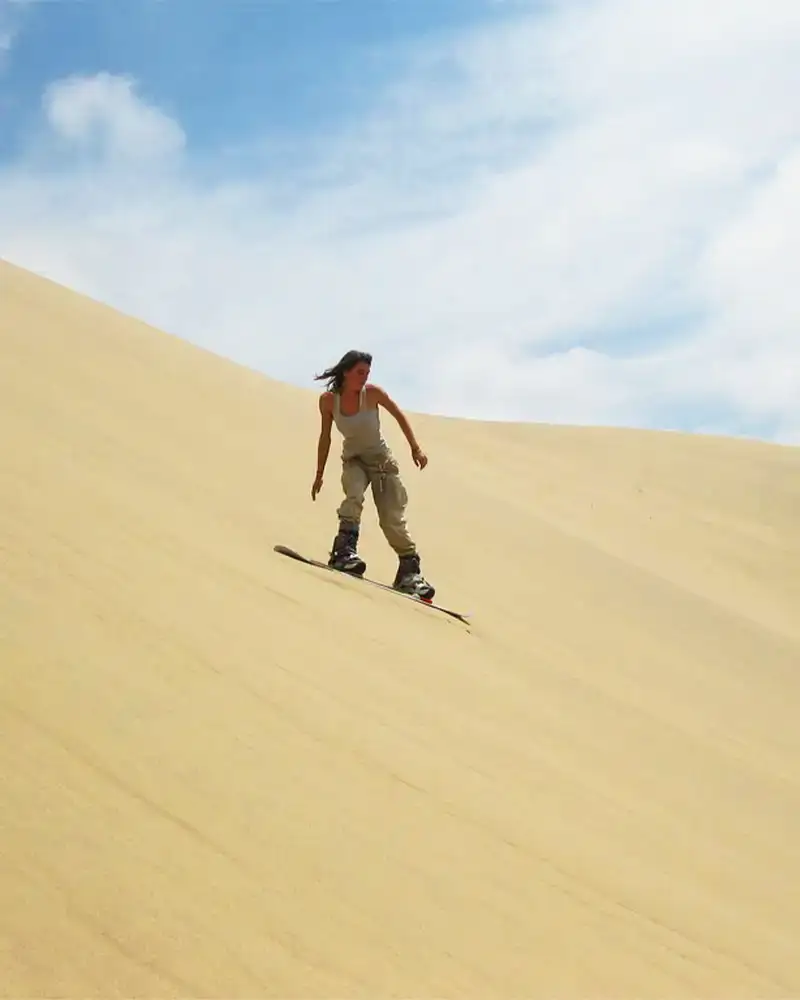
Huacachina, also known as South America’s only natural oasis, lies among enormous dunes about 20 minutes from Ica, a city south of Lima. The lagoon measures roughly 100 by 80 meters and reaches a depth of about 10 meters. Around it, you can go sandboarding, ride through the desert in dune buggies, and watch a magical sunset. End the day at a winery to learn about Ica’s long tradition of wine and pisco.
Millpu Turquoise Pools
Millpu surprises visitors with around 20 natural pools in turquoise and emerald shades, arranged in steps inside a white-stone canyon at 3,680 meters in Peru’s central highlands, in Ayacucho. Its Quechua name means “to swallow” or “to ingest,” and during the dry season, from April to November, the water becomes even clearer. From Ayacucho, the trip covers about 120 km by road followed by a 30-minute walk. The reward is an unforgettable high-Andean landscape of turquoise pools among the mountains.
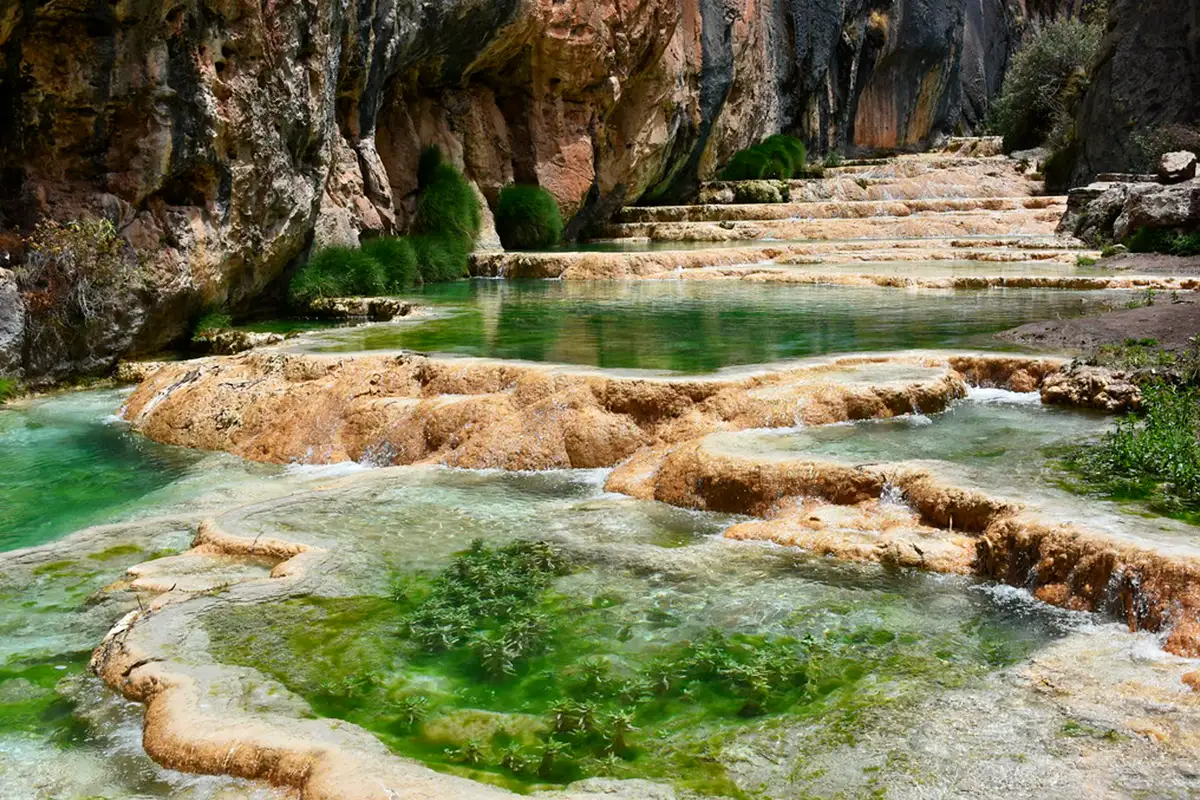
Huascarán National Park
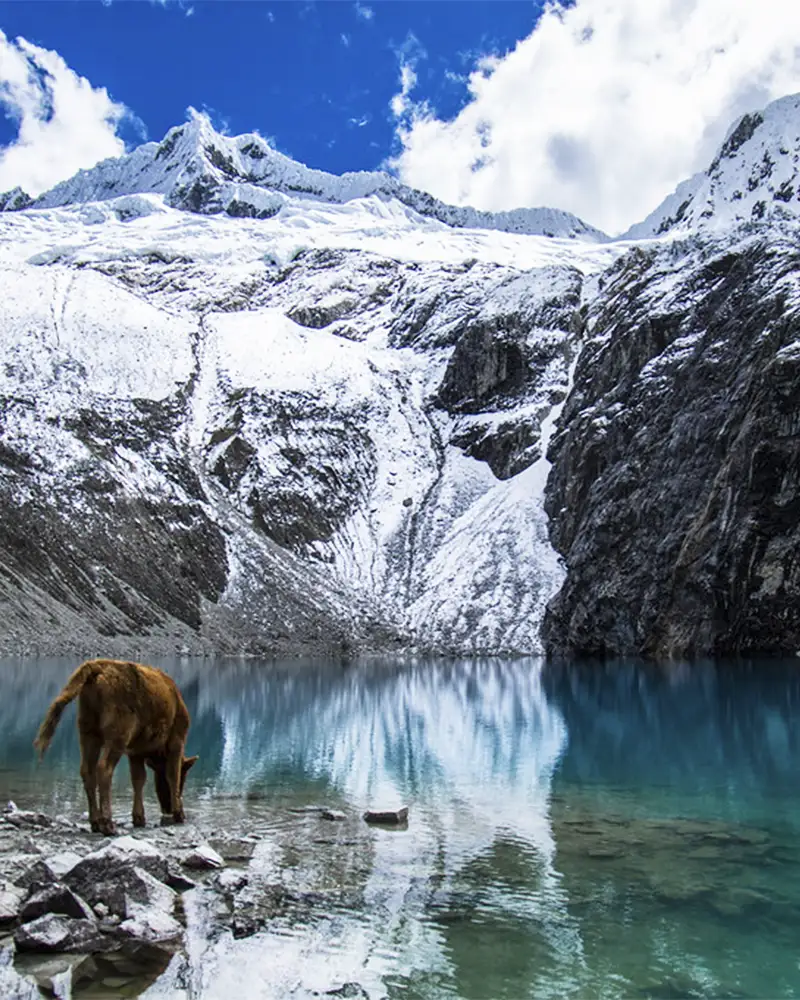
Huascarán National Park protects 340,000 hectares of the Cordillera Blanca, the world’s highest tropical mountain range, located in Peru’s central Andes. Its highest summit reaches 6,768 meters, and the park contains 27 peaks above 6,000 meters, along with glacial lakes and native South American wildlife such as spectacled bears and Andean condors. It is a paradise for trekking, hiking, and climbing, or simply admiring the snow-covered giants found throughout the park.
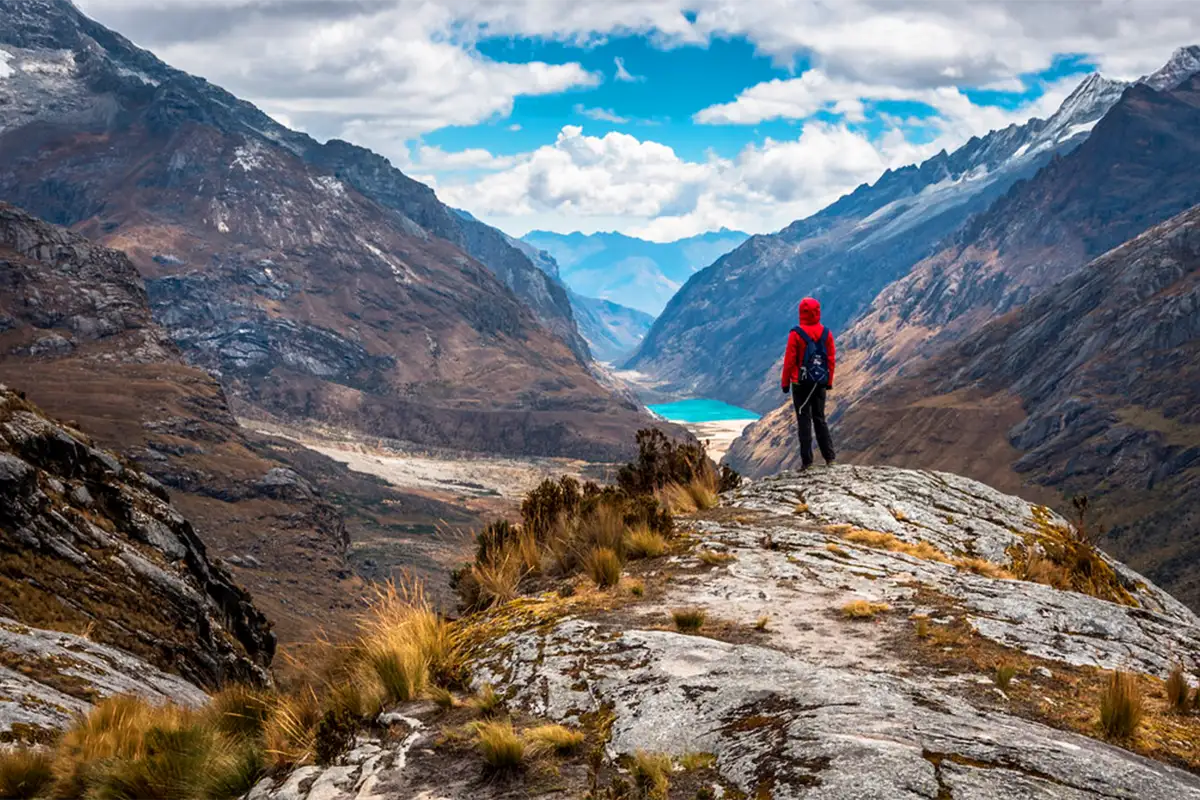
Laguna 69
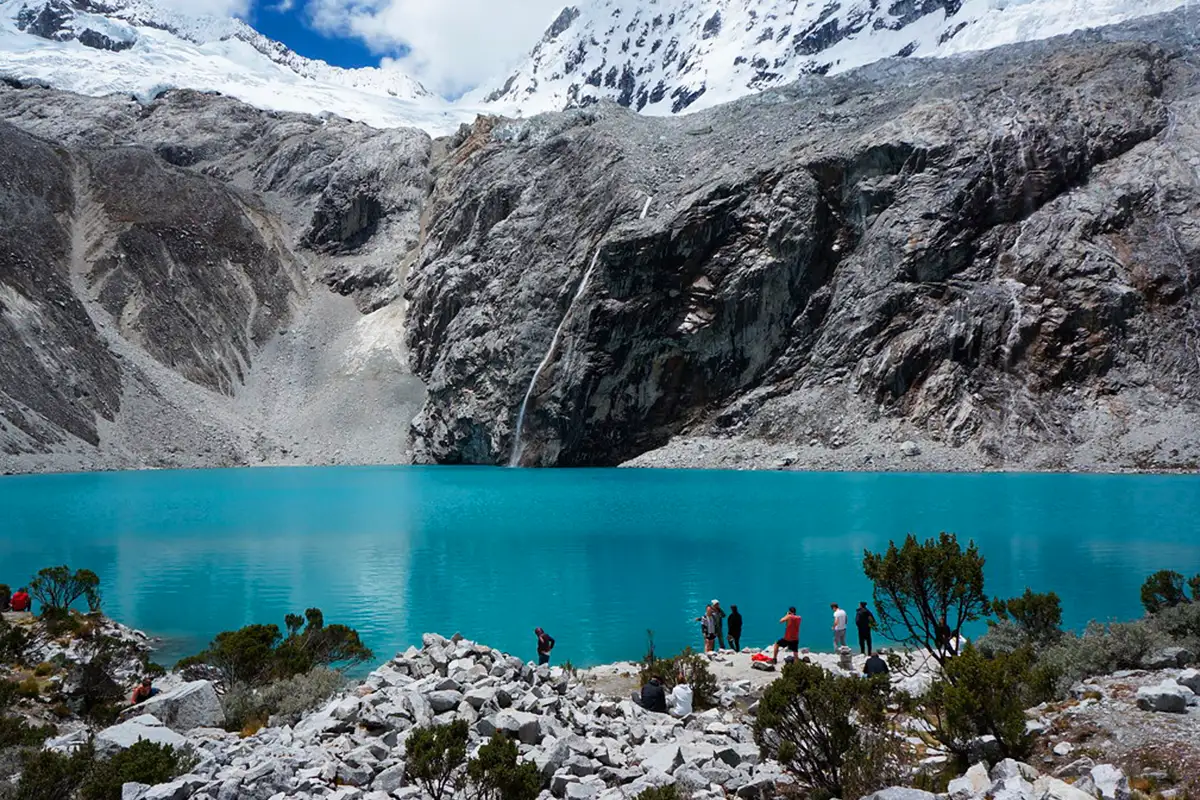
At 4,604 meters, Laguna 69 shines an intense blue beneath the snow-covered Chacraraju and Pisco peaks. Its unusual name comes from the number it received in Huascarán National Park’s official inventory, and the lake formed relatively recently as glaciers retreated due to global warming. The route from Cebolla Pampa covers 7 km through waterfalls and mountain scenery. It is demanding, but every step is worth it.
Huaca de la Luna
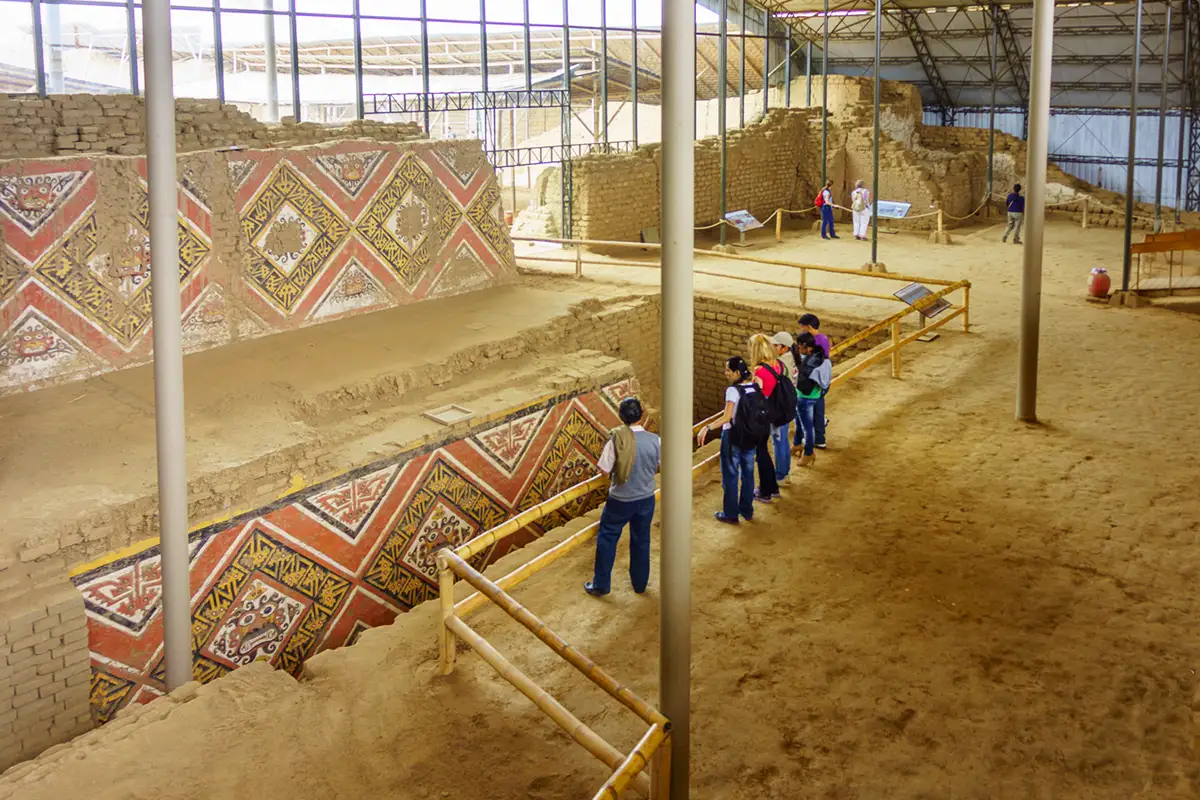
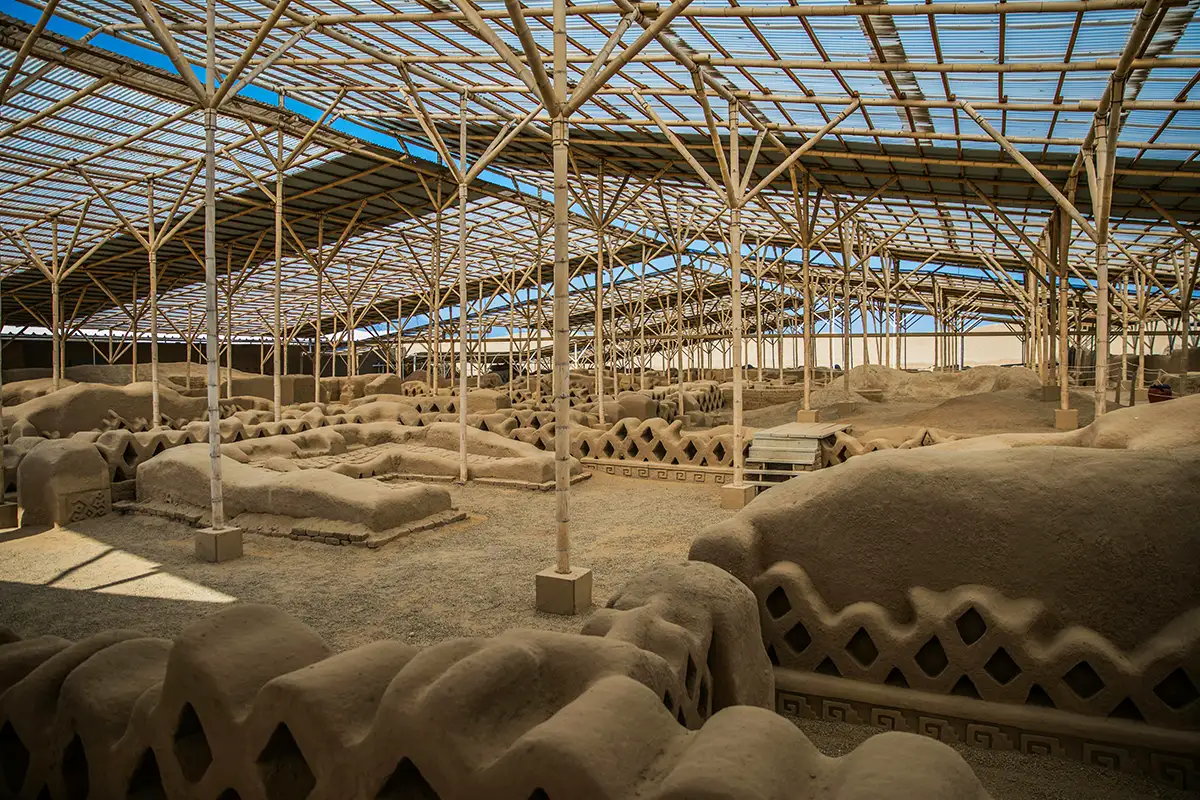
Huaca de la Luna takes you into the world of the Moche, a pre-Inca culture that flourished between the 1st and 7th centuries AD. This adobe ceremonial center measures approximately 290 by 210 meters and preserves colorful reliefs depicting deities and graphic ritual scenes. The Moche buried older temples and built new platforms over them, so each wall at the Huaca reveals layers of history, one on top of another.
Chan Chan
Chan Chan was the capital of the Chimú kingdom and the largest earthen city in pre-Columbian America. The culture reached its peak in the 15th century and organized its monumental center into nine independent citadels or palaces, with Chan Chan at the heart of this system. Walking through its plazas, corridors, and tall adobe walls helps you imagine the power of a coastal civilization that thrived before the Inca expansion.
Kuélap
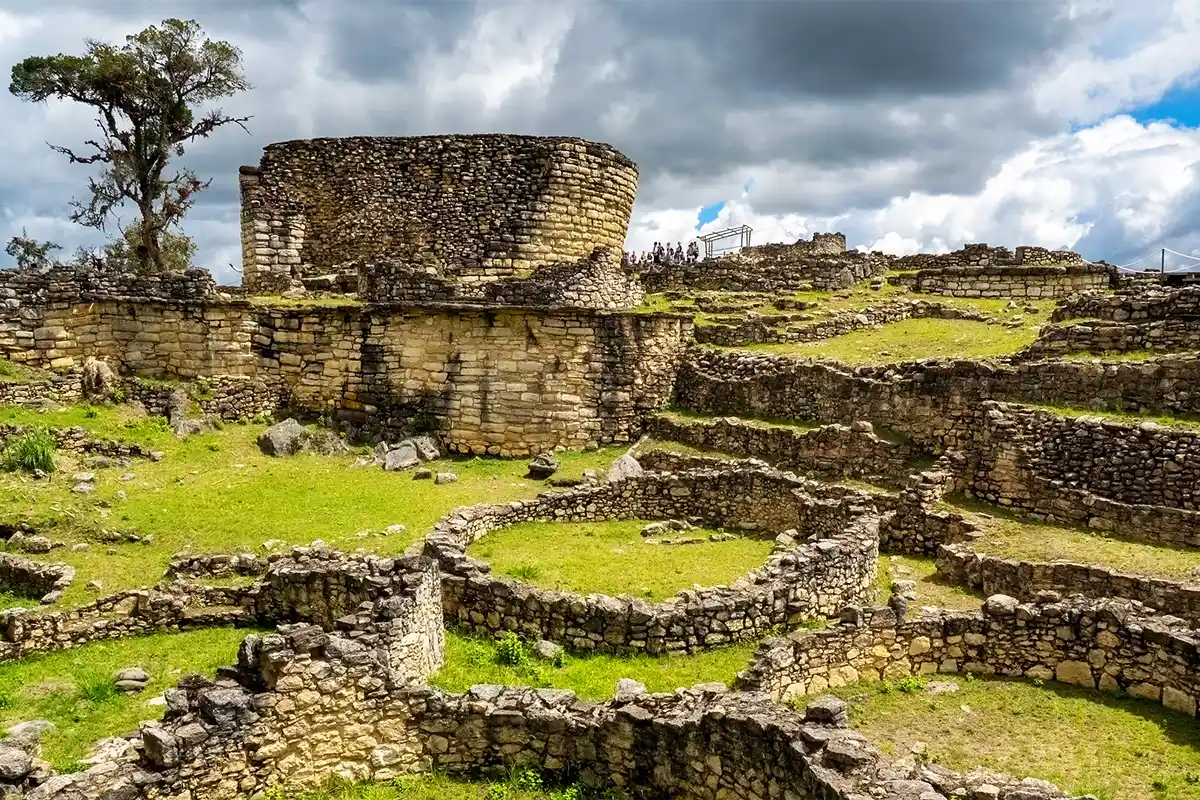
Kuélap rises 3,000 meters above sea level amid the Peruvian jungle and is protected by walls up to 20 meters high. This major center of the pre-Inca Chachapoya culture contains circular buildings on stone foundations, decorated with diamond and zigzag friezes. Traveling there means discovering a civilization that lived in the Amazonas region between AD 1000 and 1400, surrounded by green mountains and an ancient history very different from that of the Incas.
Gocta Waterfall
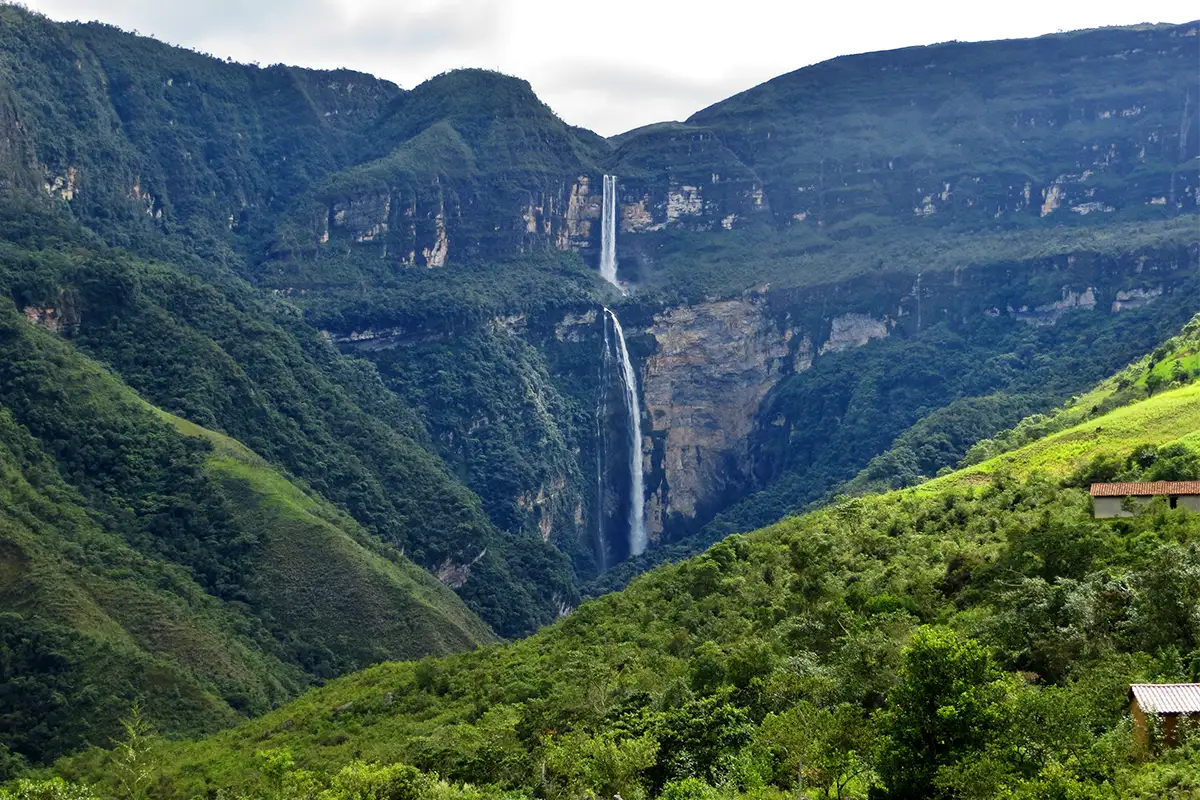
Gocta Waterfall drops 771 meters in two tiers of 231 and 540 meters, surrounded by cloud forest and the mountains of Amazonas. From Cocachimba, the 5.5 km trail each way usually takes 2 to 3 hours, depending on your pace. More than simply reaching the base, the magic lies in hearing the water appear through the mist as the trail leads past farmland and rural communities. Swimming in its waters is an experience unlike any other.
Iquitos
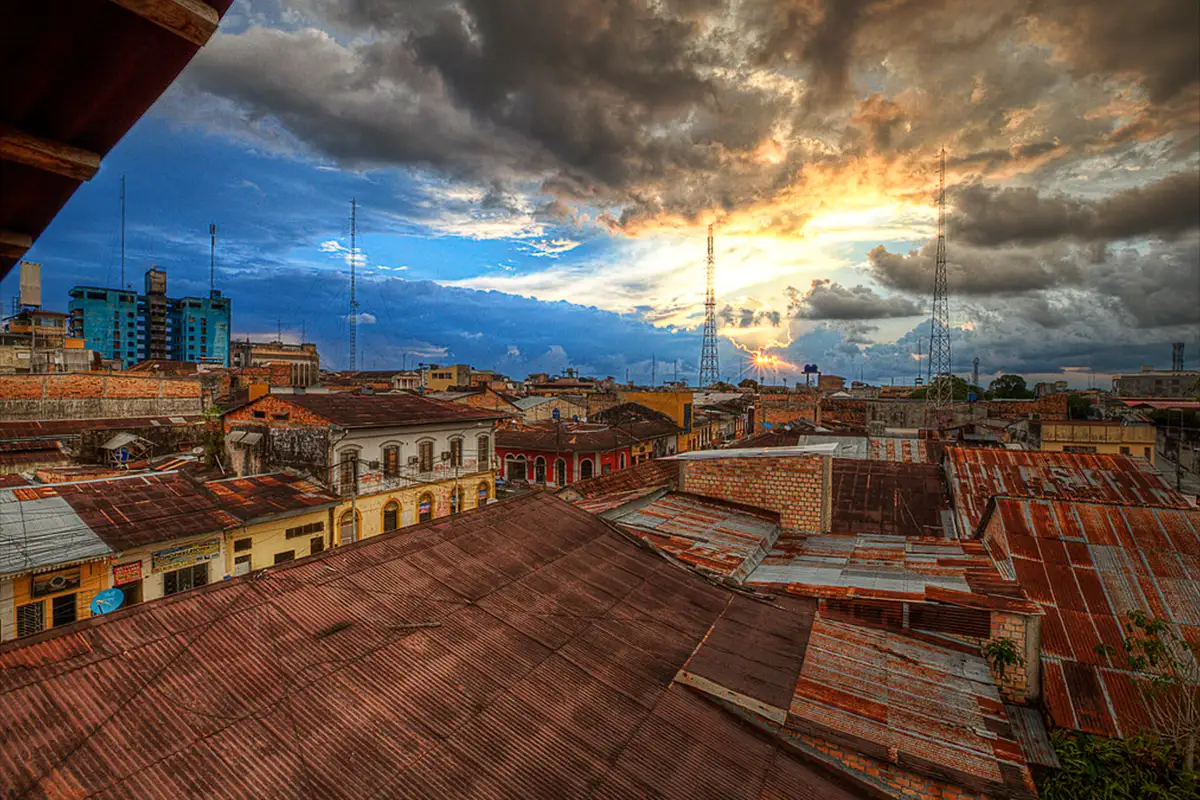
Iquitos, Peru’s northernmost jungle city, was officially recognized as a river port in 1864, and its waterfront still shows traces of the rubber boom, when trade transformed the city. Today, it invites travelers to cruise the Amazon, meet Indigenous communities, and explore nearby reserves. Local dishes such as juane, patarashca, and inchicapi, together with its historic mansions, make a stay here a cultural immersion as powerful as the deep jungle itself.
Northern Beaches
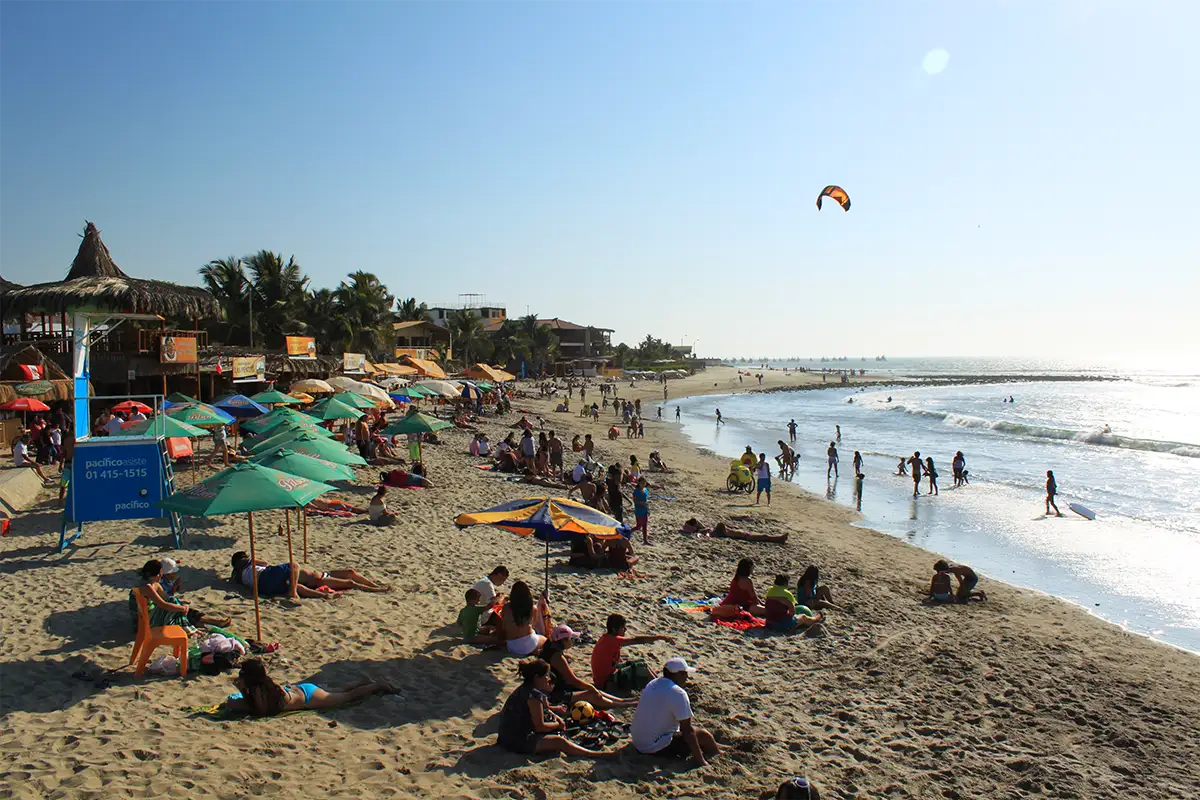
Peru’s northern beaches combine warm water, sunshine, seafood, and excellent surf in places such as Máncora, Los Órganos, El Ñuro, Cabo Blanco, and Punta Sal. Between July and October, humpback whales travel thousands of kilometers from Antarctica to breed and play with their calves in these waters. Responsible tours let you observe them without disturbing their space. Plan to stay several days; here, relaxation and marine wildlife share the same horizon.
Best places to go in Peru according to your time
Peru has such a wide variety of attractions that your itinerary will depend on how long you plan to stay. You may need to prioritize some destinations and leave others for another trip. This guide will help you make the best choice.
If You Have 7 Days in Peru
If this is your first trip to Peru, focus on the country's most famous and essential destinations.
- Lima → Cusco → Sacred Valley → Machu Picchu
Attractions to include:
- Historic Center of Lima
- Miraflores and Barranco
- Cusco
- Sacsayhuamán
- Pisac
- Ollantaytambo
- Machu Picchu
If You Have 10 Days in Peru
In addition to the basic 7-day itinerary, you can visit destinations along Peru's southern coast.
- Lima → Paracas → Huacachina → Cusco → Sacred Valley → Machu Picchu
Attractions to include:
- Ballestas Islands
- Paracas National Reserve
- Huacachina Oasis
- Cusco
- Sacred Valley
- Machu Picchu
- Rainbow Mountain or Palcoyo, once you are properly acclimatized to the altitude
 |  |
You can also include destinations in the Peruvian Altiplano.
- Lima → Puno → Cusco → Sacred Valley → Machu Picchu
Attractions to include:
- Historic Center of Lima
- Uros Islands
- Lake Titicaca and Puno
- Cusco
- Sacred Valley
- Machu Picchu
- Rainbow Mountain or Palcoyo, once you are properly acclimatized to the altitude
If You Have 14 Days in Peru
With two weeks to explore Peru, you can follow one of these routes:
- Lima → Paracas → Huacachina → Nazca → Arequipa → Colca → Puno → Cusco → Machu Picchu
Attractions to include:
- Lima
- Paracas
- Huacachina
- Nazca Lines
- Arequipa
- Colca Canyon
- Lake Titicaca
- Cusco
- Sacred Valley
- Machu Picchu
 |  |
If you love adventure and hiking, you can follow this itinerary:
- Lima → Huaraz → Huascarán → Laguna 69 → Lima → Paracas → Huacachina → Cusco → Machu Picchu
Attractions to include:
- Lima
- Huascarán
- Laguna 69
- Paracas and the Ballestas Islands
- Huacachina
- Cusco
- Sacred Valley
- Machu Picchu
If You Have 21 Days or More
With more time available, you can visit many more destinations in Peru.
- Classic Southern Peru Route + the Amazon or Northern Peru
Additional attractions:
- Puerto Maldonado and Tambopata
- Iquitos and Pacaya Samiria
- Huaraz and the Cordillera Blanca
- Trujillo and Chan Chan
- Chachapoyas, Kuélap, and Gocta
- Máncora or the northern beaches
Not sure which route to choose in Peru?
Our team can help you combine Cusco, Machu Picchu, the Sacred Valley, the Amazon, Lima, Arequipa, or Puno based on your travel dates, style, and the season. Contact us, and we'll be happy to answer your questions.
Best time to visit these attractions
As you can see, Peru is a vast country, and each region has an ideal season for visiting.
- Best time to visit Cusco, Machu Picchu, and the Altiplano: May through October is generally the best time to visit because there is less chance of rain.
- Best time to visit Lima, Paracas, Ica, the northern beaches, and the coast: December through March brings warmer days and clearer skies along the coast.
- Best time to visit the Peruvian Amazon: The rainforest can be visited throughout the year. If you enjoy rain, humid weather, and the experience of walking along muddy jungle trails, the rainy season from November through March may be right for you. If you prefer clearer days, stronger sunshine, and drier trails, the dry season from April through October is the better choice.
- Best time to visit the northern Peruvian jungle, including Iquitos, Gocta Waterfall, and Kuélap: The dry season, from May through October, is generally the best time to visit these destinations.
FAQs - Places to visit in Peru
What documents do I need to travel to Peru as a tourist?
It depends on your nationality. Your passport should be valid for at least 6 months. Citizens of the Andean Community countries—Bolivia, Colombia, and Ecuador—and Mercosur countries—Argentina, Brazil, Paraguay, and Uruguay—may enter with a national identity document. Before booking your flights, check your embassy’s website to see whether you need a visa and how long you may stay.
What currency is used in Peru, and should I carry cash?
Peru’s official currency is the sol (S/). Hotels, restaurants, and larger stores usually accept credit and debit cards, but it is useful to carry local cash for markets, taxis, entrance fees, and small towns. Exchange money only at banks or authorized exchange offices.
How can I prevent altitude sickness in Cusco and other Andean destinations?
Ascend gradually and save the most demanding excursions for later in your trip. During the first 48 hours, avoid alcohol, heavily seasoned meals, meat, fish, and intense exercise. If headaches, nausea, or shortness of breath become worse while you are resting, do not continue climbing and seek medical attention.
Do I need vaccinations to visit the Peruvian Amazon?
Peru does not require vaccinations for entry, but the yellow fever vaccine is recommended for several Amazon areas below 2,300 meters. You may also need to consider malaria prevention when visiting Peru’s northern jungle, including Iquitos. Speak with a travel health specialist about these precautions at least one month before your trip to Peru.
How can I travel between Peru’s main tourist destinations?
Domestic flights save time on long journeys, while buses connect many cities over shorter distances and let you enjoy the scenery. Trains are mainly used to reach Machu Picchu from Cusco or the Sacred Valley. Book with reputable companies and allow extra time for possible delays.
Is tap water safe to drink in Peru?
The safest choice is sealed bottled water or water that has been boiled or properly treated. Avoid drinking tap water, ice from uncertain sources, and beverages prepared with untreated water. In rural areas or during hikes, carry a suitable water filter or purification tablets.


Add new comment