



Why should you hike the Inca Trail at least once in your life? It is one of the most iconic hiking routes in the world and is featured among the 50 best trails according to National Geographic. Along the way, you will experience stunning natural landscapes, including mountain ranges, inter-Andean valleys, tropical forests, and the edge of the jungle.
The Inca Trail was built by the great pre-Columbian empire called Incas over 500 years ago to connect to Machu Picchu. It is part of an extensive network of walking paths known as Qapac Ñam, which spans over 30,000 kilometers across several South American countries, including Colombia, Argentina, Peru, Ecuador, Bolivia, and Chile. These regions were part of the ancient Tawantinsuyo, the territory of the Incas.
Exploring it is definitely an activity that shouldn't be missing from your bucket list. Here are 13 reasons to do it.
Inca Trail: Quick Facts
| Distance | 42 km / 26 miles |
| Duration | 4 Days / 3 Nights |
| Accommodation | Camping |
| Max. Altitude | 4,215 m / 13,829 ft |
| Average Altitude | Aprox. 3,000 - 3,500 m / 9,843 - 11,482 ft |
Reasons to hike the Inca Trail
Here are the main reasons why embarking on the Inca Trail is an unforgettable experience:
1. Walk the same path used by the Incas 500 years ago
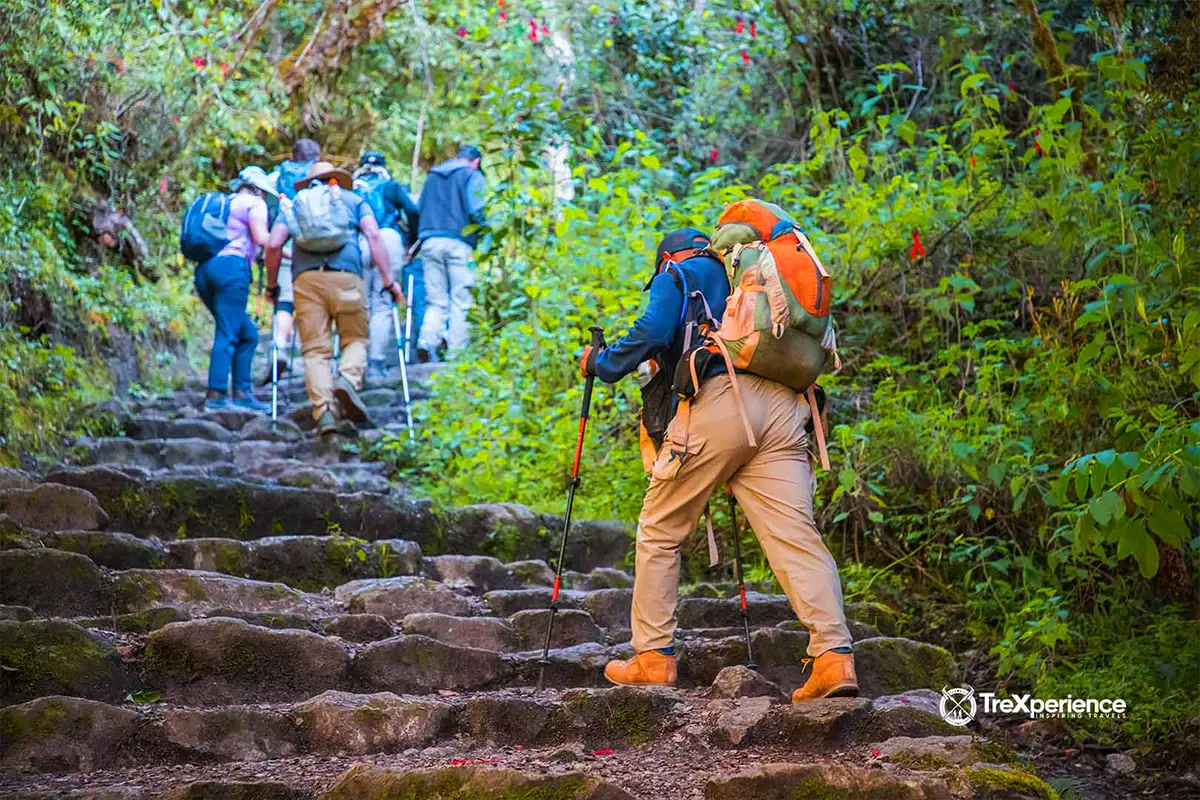
When you hike the Inca Trail, you’re following a route that was a vital part of the Tahuantinsuyo communication system, known as the Qhapaq Ñan. This extensive road network connected various locations throughout the Inca Empire, stretching from Quito, Ecuador, to beyond Santiago, Chile. Walking the Inca Trail, the most popular section of this network, allows you to experience firsthand what the ancient Incas felt as they journeyed to a world wonder like Machu Picchu.
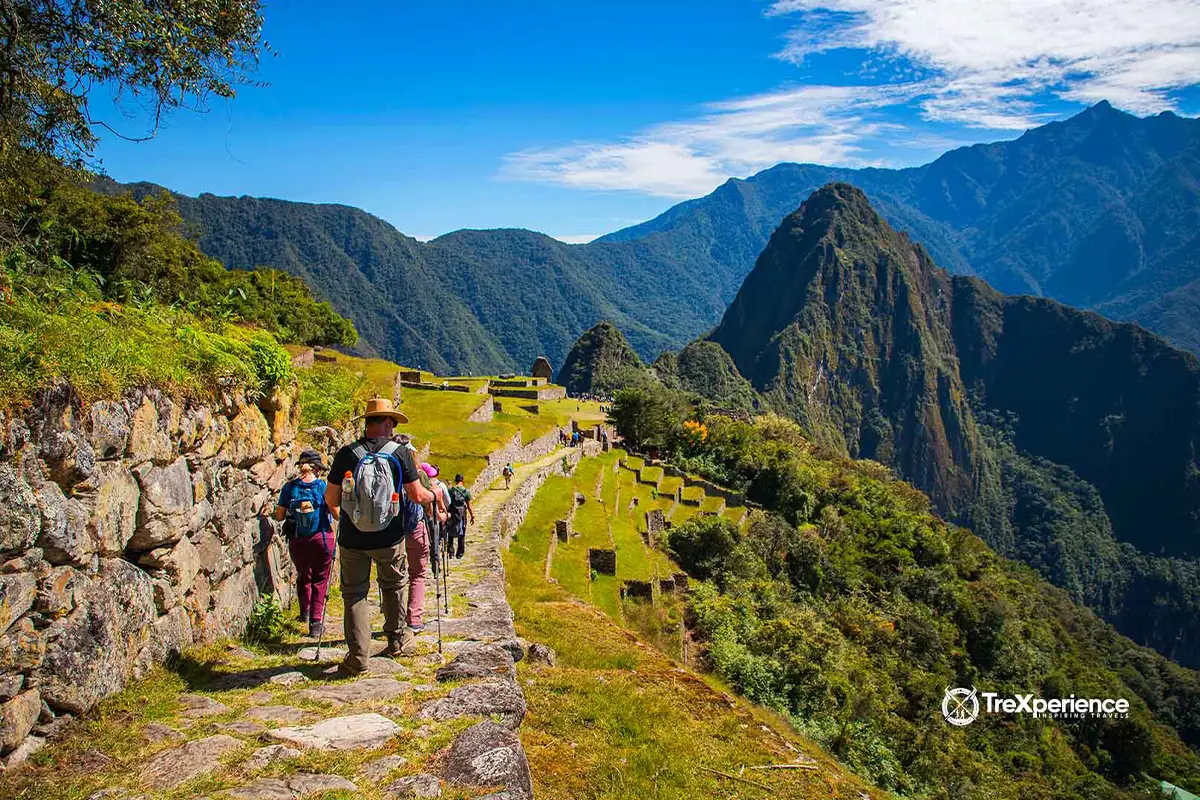
As you travel this path, you will come to appreciate how the Incas harmonized their architecture with nature in a way that was both respectful and remarkably advanced for its time.
2. Explore Wiñay Wayna and other attractions as beautiful as Machu Picchu
Hiking the Inca Trail offers a unique opportunity to explore archaeological sites beyond the typical tourist routes, unlike traveling to Machu Picchu by train. Along the way, you will find impressive, lesser-known sites such as Willkaraqay, an Inca lookout, as well as various complexes and checkpoints including Runkurakay, Sayacmarca, and Conchamarca.
During the final two days of your hike, you'll visit Phuyupatamarca, the “City in the Clouds,” which is a remarkably well-preserved Inca settlement and religious center. You'll also explore Intipata, known as the “Terraces of the Sun,” which was an important agricultural site.
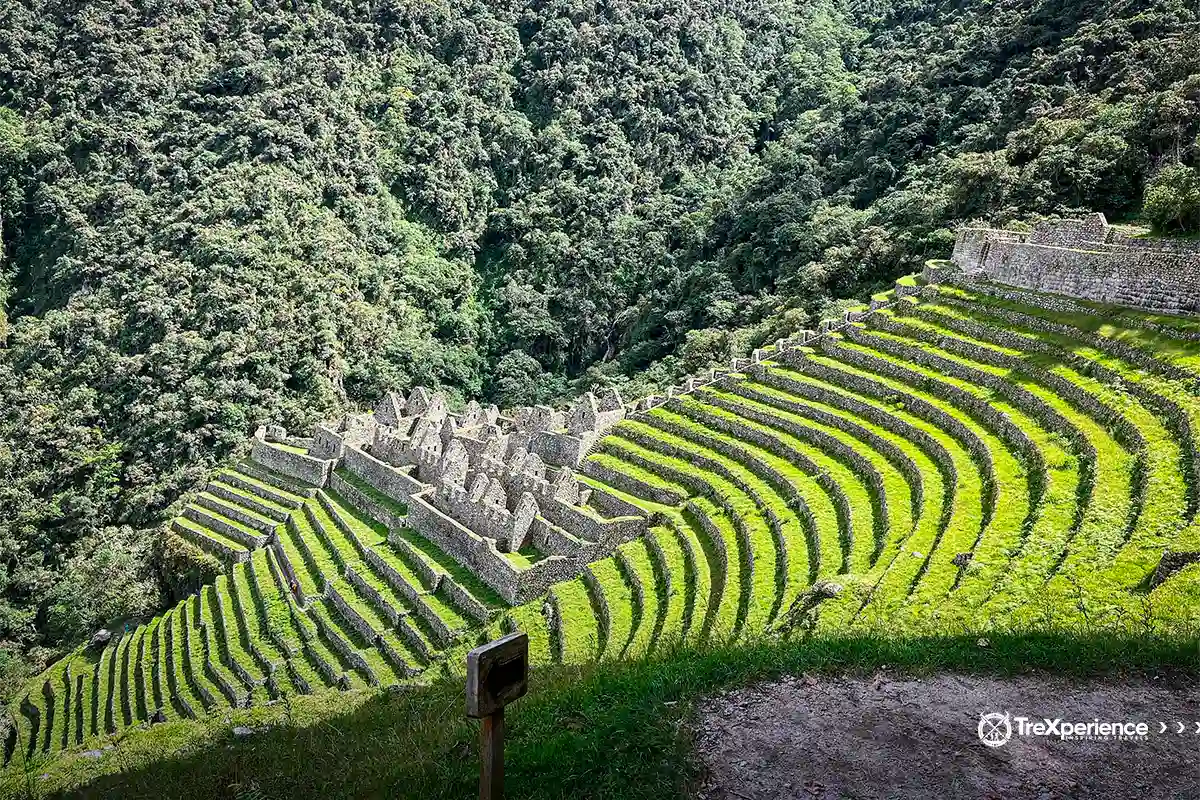
The journey culminates at Wiñay Wayna, a memorable stop before reaching Machu Picchu. This citadel was significant as an agricultural and administrative center, as well as a resting place for Inca royalty. It is famous for its expansive terraces and intricate water fountains.
Each of these stops provides a deeper understanding of Inca culture and archaeology, enhancing the overall experience of the trek.
3. Enjoy Authentic Peruvian cuisine on the Inca Trail
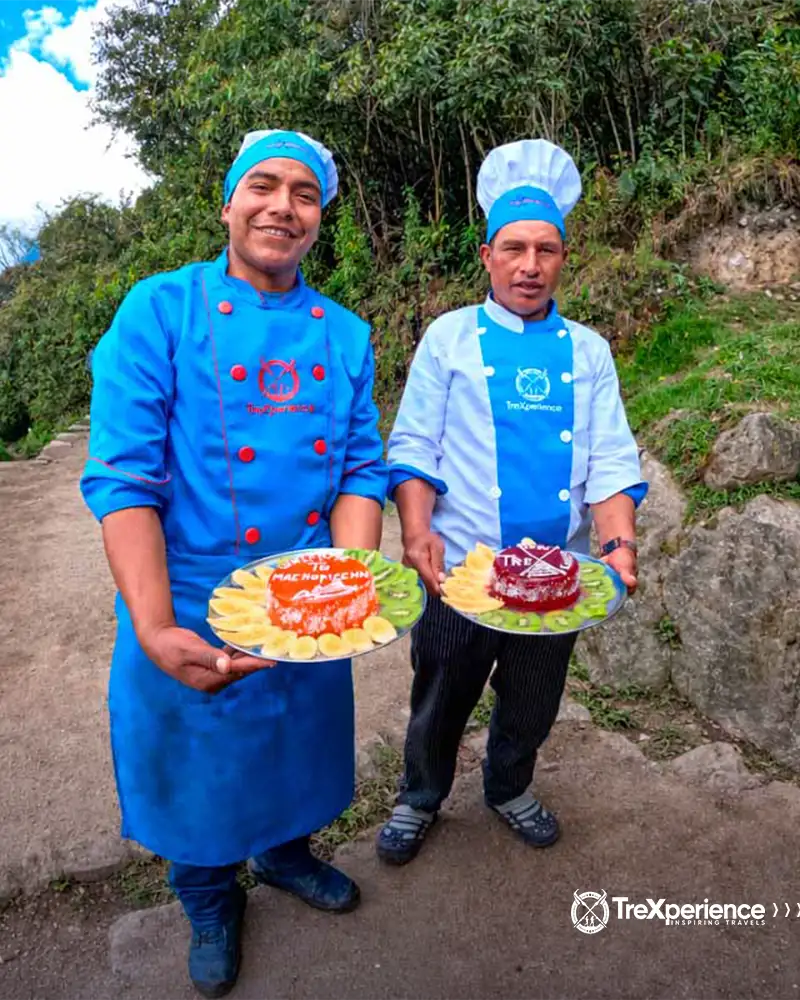
Many hikers describe their experience on the Inca Trail as “delicious.” The chefs working with tour operators along this route are all from Peru and are well-versed in Peruvian cuisine. Each day, they hike ahead to reach the lunch stops and campsites early, allowing them enough time to prepare delicious meals and set the table for your arrival. Thus, you can look forward to enjoying three or four traditional Peruvian dishes daily.
Imagine sitting down to delightful meals like ají de gallina, lomo saltado, causa limeña, ceviche, and more. Good food certainly makes any adventure more memorable.
 |  |
Take note...
You can’t hike the Inca Trail on your own; it's forbidden. You must book your trek through a tour operator authorized by the Peruvian government. Your chosen operator will provide you with the Inca Trail permit, guide, trekking chefs, and other essentials, such as tents, portable toilets, and entry tickets to Machu Picchu.
4. Your Inca Trail permit supports local communities
An Inca Trail permit allows you to hike the Inca Trail legally. These permits are arranged through tour operators authorized by the Peruvian government. Instead of purchasing a permit separately, you typically book a complete tour package that includes a guide, porters, cooks, and other necessary support.
While these tours can be pricey, your booking provides formal employment for inhabitants in Cusco and nearby communities along the trail. Additionally, a significant portion of the revenue from permits is allocated by the government to protect Machu Picchu Archaeological Park and its surrounding natural areas.
5. Hike the Inca Trail and experience four different natural ecosystems
The Inca Trail takes you through a variety of ecological zones, showcasing the diverse landscapes of Peru’s Andes. On the first day, you will walk through dry forests and mountain valleys. The second day involves crossing high mountain passes before descending into cloud forests. By the third day, you will be surrounded by tropical forests as you make your way toward Machu Picchu, where the Andes meet the jungle.
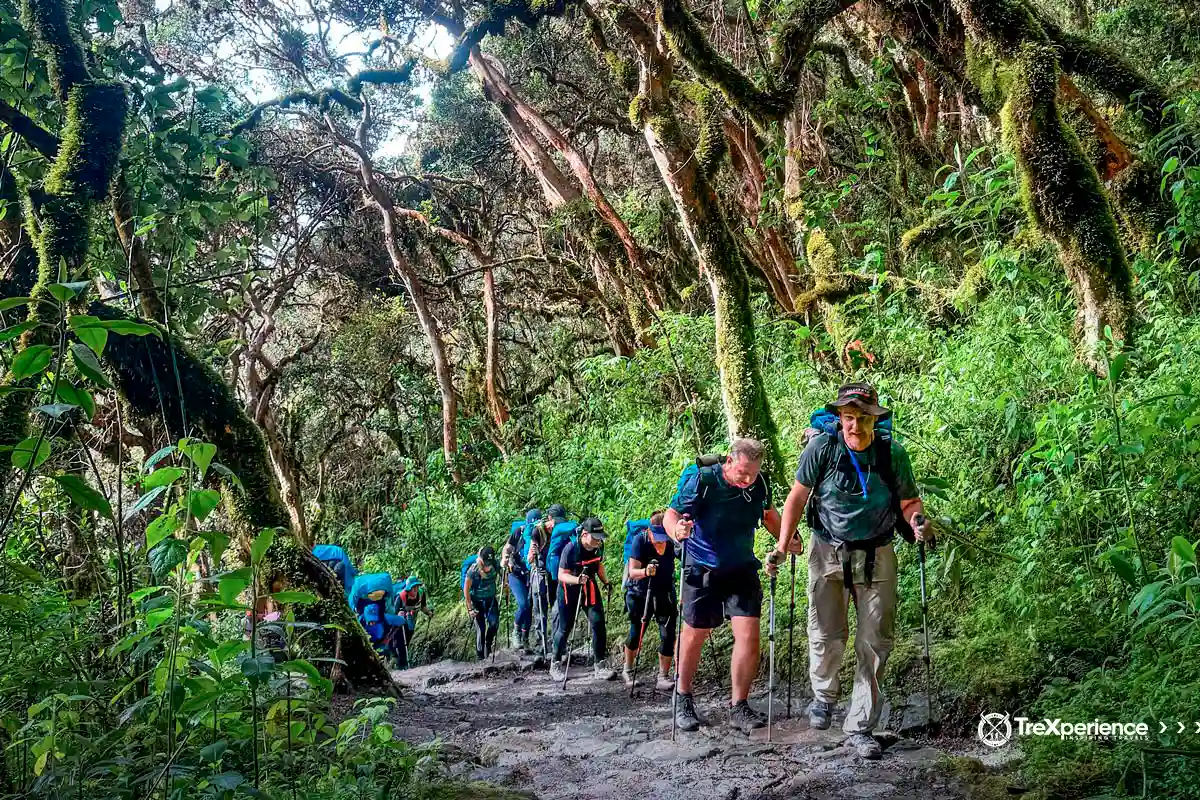
Along the journey, you will have the opportunity to observe a wide range of plants and wildlife, including orchids, exotic birds, and potentially even the endangered spectacled bear.
6. Camp in Some of Peru’s Most Spectacular Landscapes
During the Inca Trail to Machu Picchu, you will spend your nights at established campsites along the route, such as Ayapata, Chaquicocha, and Wiñay Wayna. These campsites are located in scenic areas that offer impressive views and a close connection to nature, as the climate changes along the trail. You will experience camping in dry valleys, high Andean landscapes, and lush tropical surroundings, all on the same journey.
The Inca Trail is a walking-only route, meaning no motorized vehicles are allowed. Here, it’s just you and the beauty of nature.
Sleeping under the stars in the Andes, with the silence only interrupted by the sounds of nature, creates a special experience that makes your journey even more memorable and authentic.
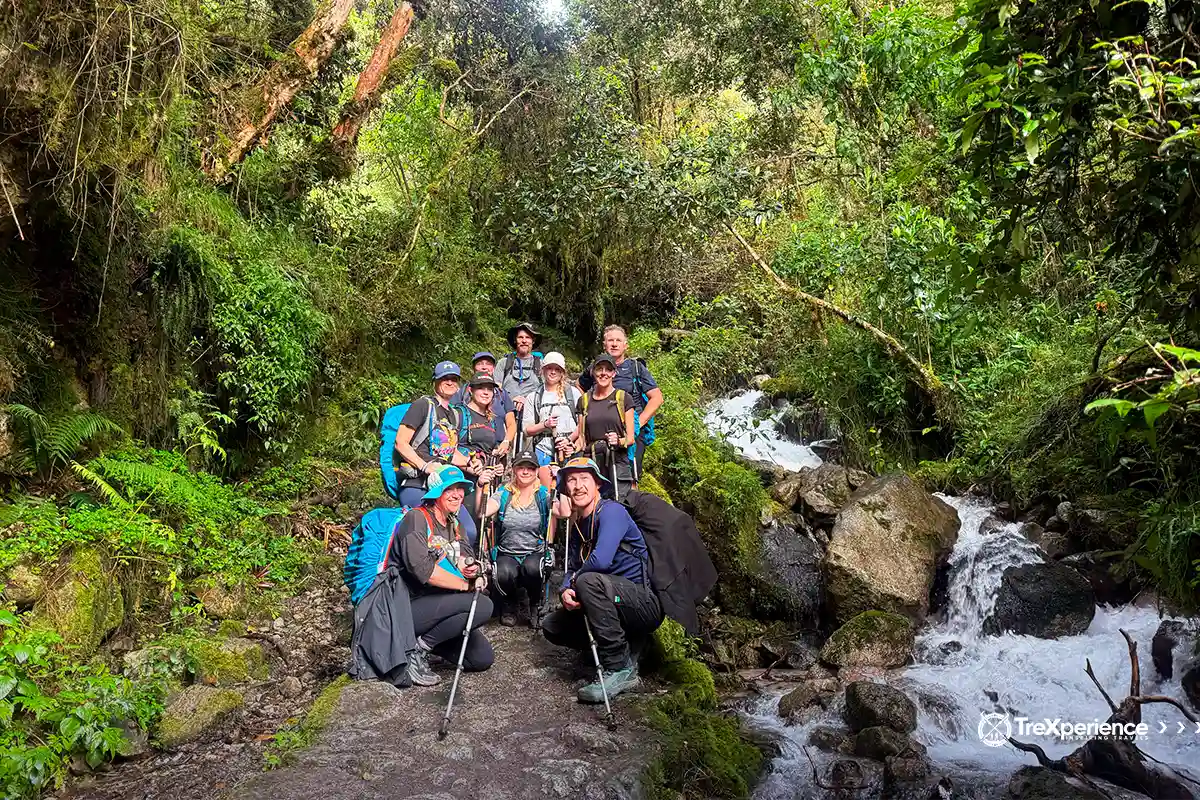
7. Make New Adventure Friends in the Heart of the Andes
Hiking the Inca Trail provides a wonderful opportunity to meet and connect with travelers from around the world who share similar interests. Most tour operators authorized by the Peruvian government offer group departures year-round, with groups typically consisting of no more than 15 people.
The friendships formed along the trail, especially while navigating the challenges and excitement of the trek, often endure long after the trip has concluded. Many of our former travelers have shared that they continue to stay in touch with the people they met along the way.
In summary, hiking the Inca Trail is not only an incredible adventure but also a great chance to make new friends throughout the journey.
8. Learn About the Traditional Uses of Coca Leaves and Their Consumption on Andean Hikes
Coca leaves have been an integral part of daily life in many Andean communities for centuries. Hiking the Inca Trail offers a unique opportunity to learn about the traditional uses of these leaves, particularly at high elevations. Many Quechua people chew coca leaves during long hikes to help cope with the physical exertion and discomfort associated with altitude changes. Coca tea is a common way that tour operators serve coca to travelers, typically in the morning before embarking on another day on the trail.

During the ascent to Dead Woman’s Pass (Warmiwañusca), which is over 4,200 meters above sea level, some hikers also opt to try coca leaves. The taste can initially be quite bitter, but they have traditionally been used to alleviate feelings of tiredness, headaches, and general discomfort that can arise when hiking at high altitudes.
9. The Inca Trail offers incredible views for photography lovers
The Inca Trail to Machu Picchu is a paradise for photography enthusiasts, both amateur and professional. With breathtaking views of the Andes Mountains, ancient Inca sites adorned with moss, and the enchanting light of sunrise illuminating Machu Picchu, there are countless opportunities to capture unforgettable images during your journey.
Your guide will highlight some of the best spots and angles for photography along the trail. However, please remember that camera tripods, selfie sticks, and drones are prohibited on the Inca Trail and at Machu Picchu.
10. A Magical Arrival at Machu Picchu through Inti Punku
One of the most exciting aspects of the Inca Trail is reaching Machu Picchu via the Sun Gate, known as Inti Punku. This moment is unique and emotional, offering a stark contrast to arriving by train.
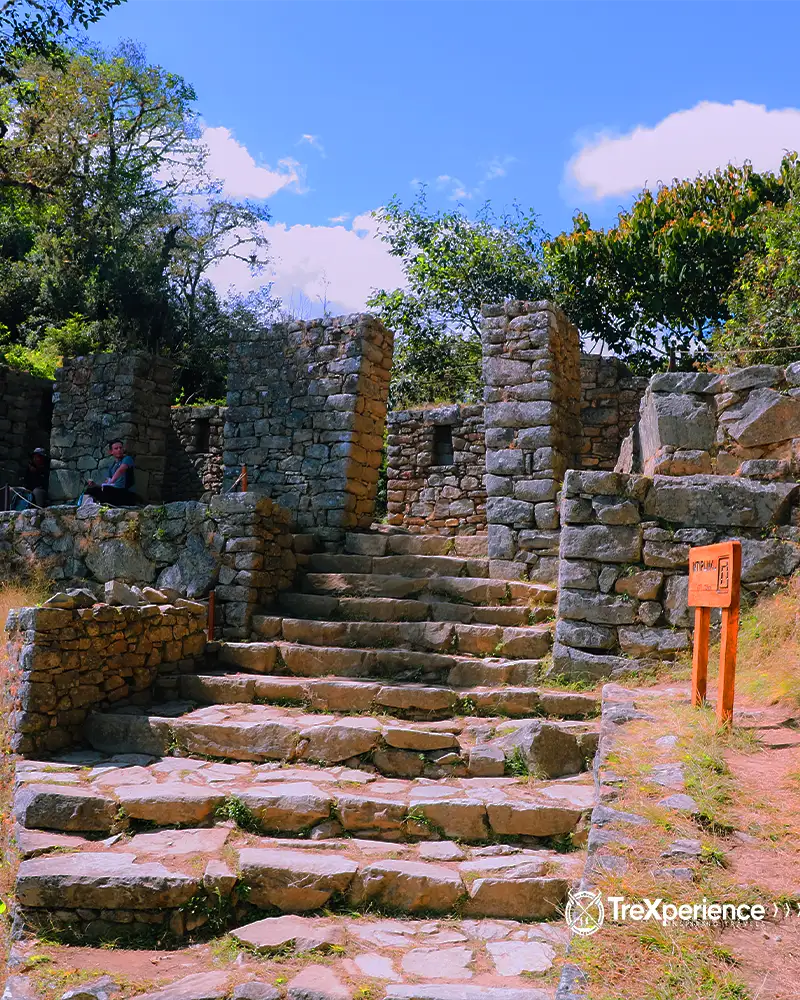 | 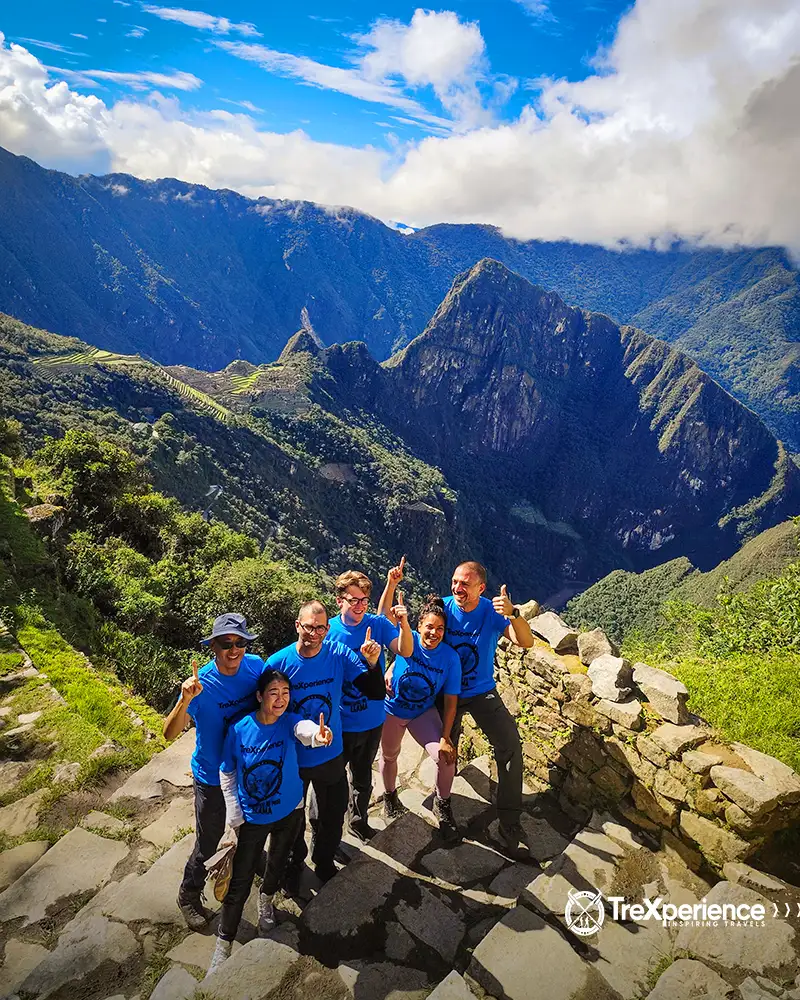 |
The Inti Punku, or the Sun Gate, served as the main entrance to Machu Picchu and was a significant checkpoint for the ancient Incas who journeyed from Cusco to this sacred citadel.
As the end point of the Inca Trail, Inti Punku provides a breathtaking panoramic view of the entire Machu Picchu sanctuary.
11. Disconnect from everything and reconnect with Yourself
Sometimes, the best way to reconnect with yourself is to step away from everything. Hiking the Inca Trail offers a unique opportunity to break free from the fast pace of modern life. The limited mobile signal and lack of internet access along the route allow you to disconnect from the outside world and fully immerse yourself in the experience. This can provide a refreshing break for both your mind and emotions.
During your free time on the trail, consider enjoying a good book, practicing some yoga, or having a relaxed conversation with your fellow travelers. There's no need to worry about emergencies, as most guides carry a satellite phone for communication.
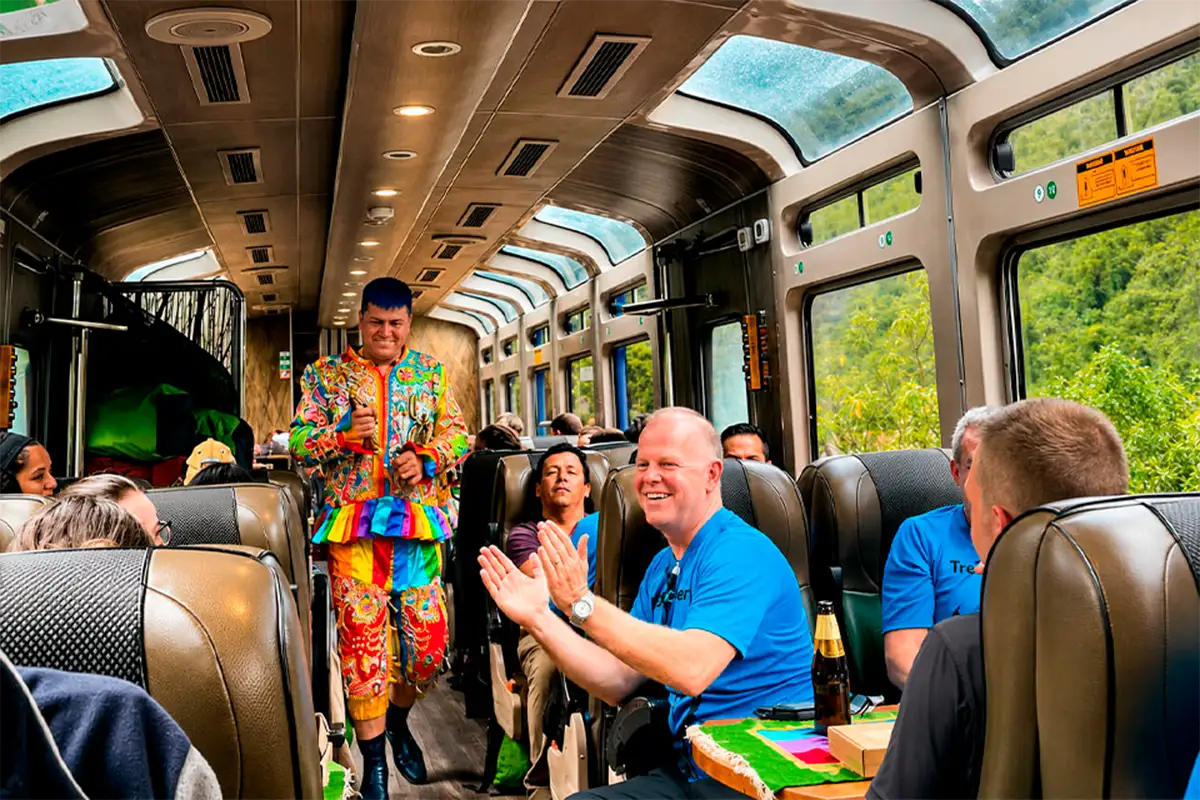
12. Enjoy a Panoramic Train Ride on the Way Back
Hiking the Inca Trail doesn't mean you have to miss out on the renowned train journey between Aguas Calientes and Ollantaytambo. After completing the trek and visiting Machu Picchu on the last day, you'll return by train through the Sacred Valley, following much of the Urubamba River in the opposite direction.
During the ride, you can relax and take in stunning views of the mountains, valleys, and landscapes along the route. After several days of hiking through the Andes, this train ride offers a comfortable and enjoyable way to conclude your experience. On most Inca Trail tours, the return train ticket is included, and the service typically uses the panoramic Vistadome train.
13. Personal challenge
Completing the Inca Trail is both a physical and mental challenge. With altitudes exceeding 4,200 meters, the route demands endurance and strength, providing a deep sense of accomplishment upon completion. Moreover, facing and overcoming the challenges of the path can serve as a decisive moment of introspection and personal development.
Inca Trail permits 2027
No open gate here; the Inca Trail is a protected route inside the Machu Picchu archaeological park, with conservation rules and a strict daily limit on entering. Peru’s Ministry of Culture oversees access, and hiking is only through authorized travel agencies that handle your entry, guide, porter team, camping gear, and more.
Spots are limited: just 500 permits per day, counting travelers and staff.
However, the 2027 season is already live, so move early. Keep your passport info handy for booking, and confirm your dates in advance, permits can’t be transferred.
Take note
If you’re ready, secure your Inca Trail permits for 2027 today.
The Inca Trail: A pilgrimage to history, adventure, and personal discovery
The Inca Trail Peru offers a unique opportunity to walk in the footsteps of the Incas, connect with nature, and challenge yourself physically and mentally. So, if you're looking for an adventure that combines the thrill of hiking with the richness of history and culture, the Inca Trail to Machu Picchu is the perfect choice. Pack your bags, lace up your hiking boots, and get ready for an unforgettable adventure in the Peruvian Andes!
Ready to experience the magic of the Inca Trail? Book your adventure today and take the first step on a journey that will stay with you for a lifetime.

Hike the Inca Trail - FAQs
Which route should you choose: the Classic Inca Trail or the Short Inca Trail?
- The Classic Inca Trail is better suited to travelers looking for a complete multi-day experience with camping, mountain passes, and numerous archaeological sites.
- The Short Inca Trail requires less time and avoids the climb to Warmiwañusca, making it a better option for travelers with limited time or those who prefer not to camp for several nights.
Both routes reach Machu Picchu through Intipunku, but they offer very different physical experiences.
Can solo travelers book the Inca Trail?
Yes, solo travelers can reserve a place on a group departure or book a private service. However, hiking the Inca Trail independently is not permitted. The trek must be organized through an authorized tour operator and completed with a professional team, which usually includes guides, cooks, and porters.
Inca Trail permits can only be arranged through authorized travel agencies, which are responsible for organizing the trek, coordinating the logistics, and complying with official regulations.
Can travelers choose where to camp?
No. Travelers cannot choose their campsites on the Inca Trail. Camps are assigned according to availability, the authorized route, and the itinerary established for each group. Setting up tents outside the designated camping areas is not permitted.
What happens if Inca Trail permits are sold out?
You can look for another departure date, check availability for the Short Inca Trail, or choose an alternative route such as Salkantay, Lares, or Huchuy Qosqo.
Permits are issued to a specific person and cannot be transferred, so it is not possible to use another traveler’s permit or change the name after it has been issued. No agency can guarantee a permit once official availability has sold out.
Do I have to carry all my luggage during the Inca Trail?
Each traveler usually carries a small daypack with water, daytime clothing, sunscreen, documents, and personal belongings. Most Inca Trail tours include porter services to carry the tents, food, and part of the group equipment.
How long is the inca trail hike?
The Classic Inca Trail is about 42 km (26 miles) long and usually takes 4 days and 3 nights to complete. Shorter options are also available, including the Short Inca Trail from Km 104.
Do you need guide for inca Trail?
Yes. You cannot hike the Inca Trail independently. Visitors must travel with an authorized tour operator and a registered guide, following the regulations for the Inca Trail network.


Add new comment