


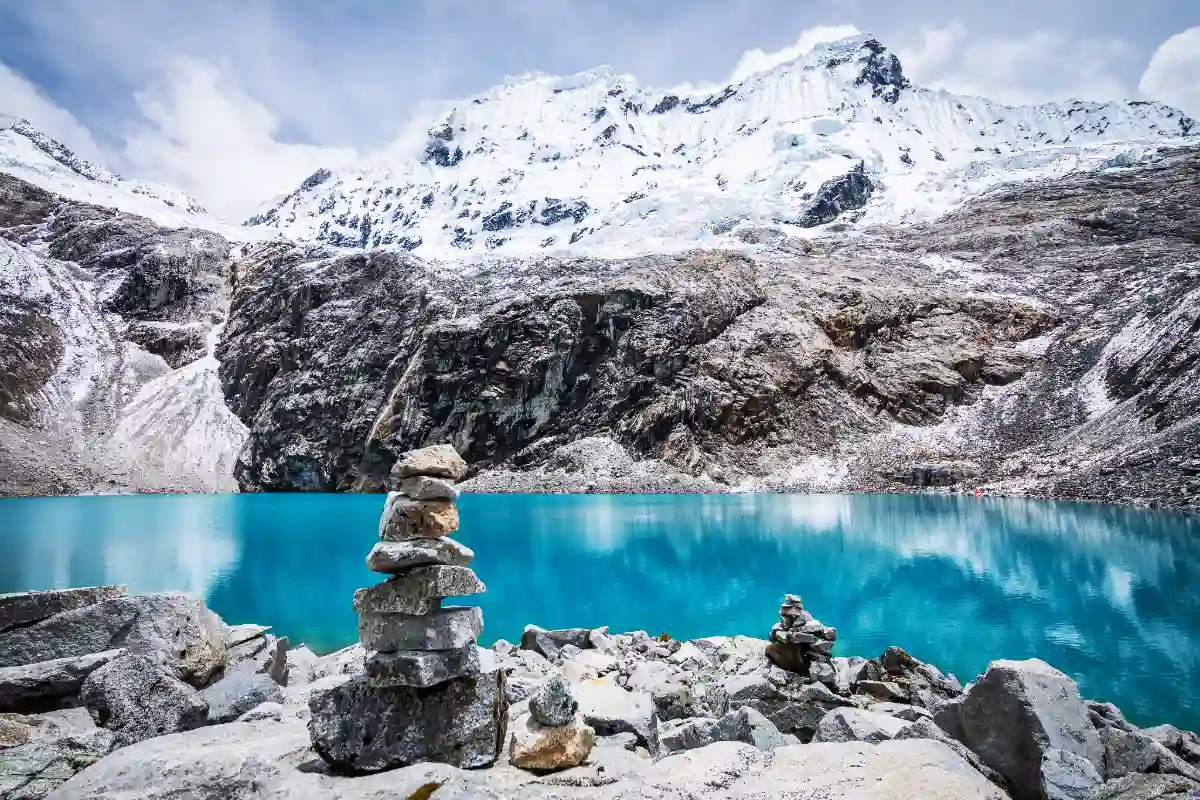
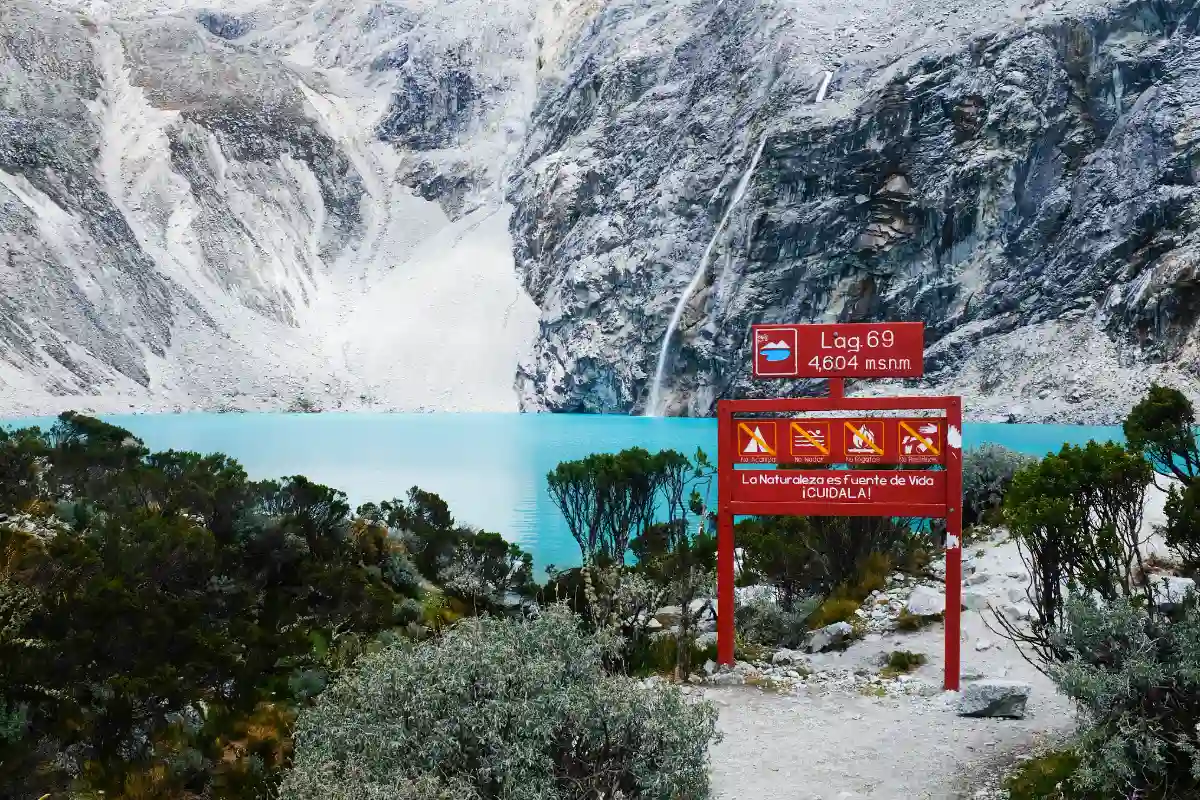
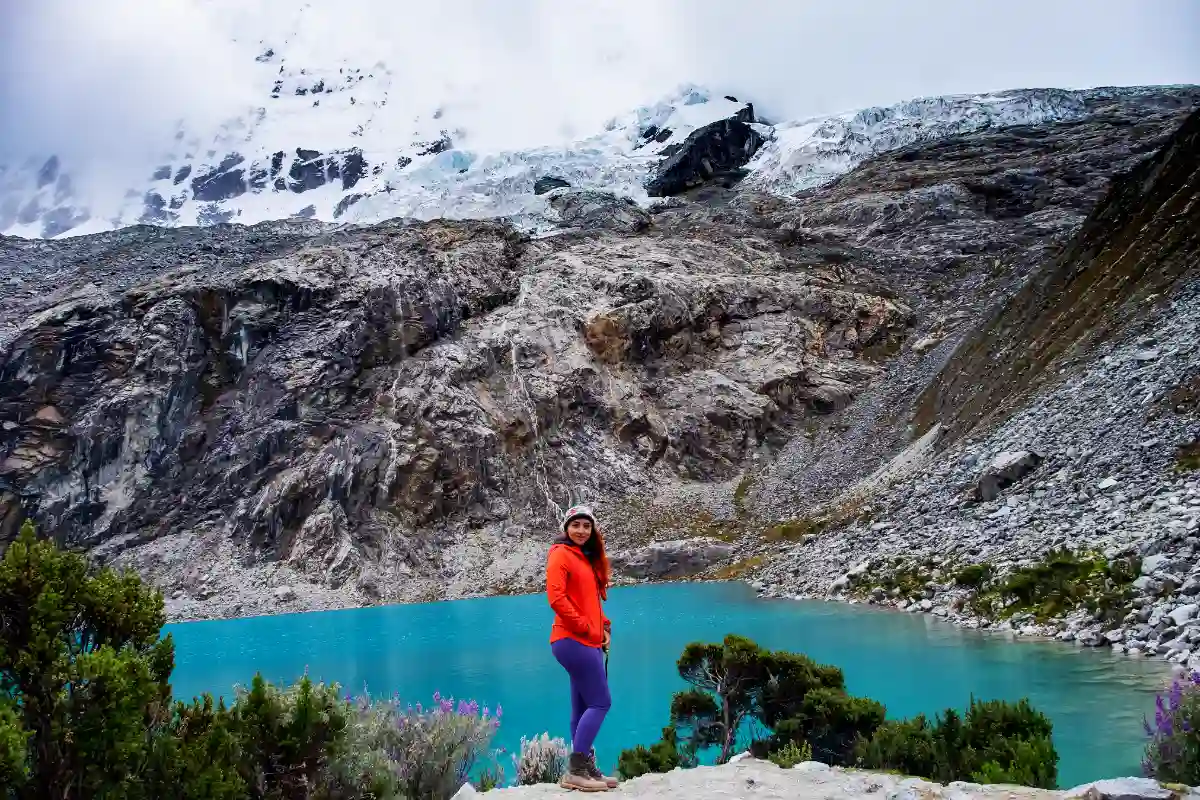
At 15,105 ft (4,604 m) above sea level, Lake 69 in Peru is known for its bright turquoise water and the snow-covered mountains that rise above it. The hike takes you through a valley in the Cordillera Blanca, past streams and open grasslands, before climbing a series of steep trails to reach the lake.
If you're planning to do a Laguna 69 tour from Huaraz, this guide covers the route, hiking distance, difficulty, costs, weather, and everything you should know before setting out.
Lake 69 Peru: Quick Facts
| Information | Details |
| Location | Yungay, Ancash, Peru |
| Protected area | Huascaran National Park |
| Altitude | 15,105 ft (4,604 m) |
| Lake type | Glacial lake |
| Starting point | Cebollapampa |
| Hiking distance | Approximately 8.7 miles (14 km) round trip |
| Hiking time | 5 to 7 hours |
| Difficulty | Moderate to challenging, mainly due to altitude |
| Best months | May to October |
| Tour duration | Full day from Huaraz |
Where Is Lake 69 in Peru?
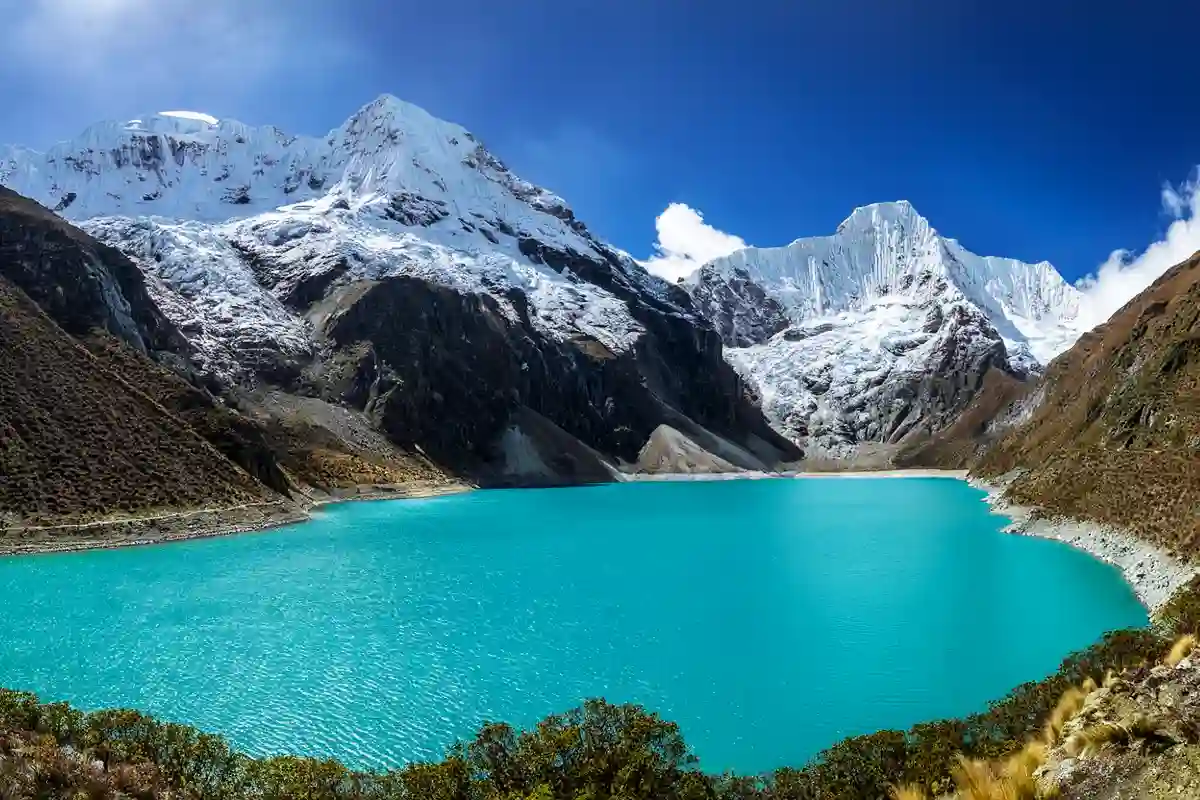
Peru Lake 69 is located in the Demanda Valley within the province of Yungay, Áncash. It sits inside Huascarán National Park, surrounded by the dramatic snow-capped mountains of Peru's Cordillera Blanca.
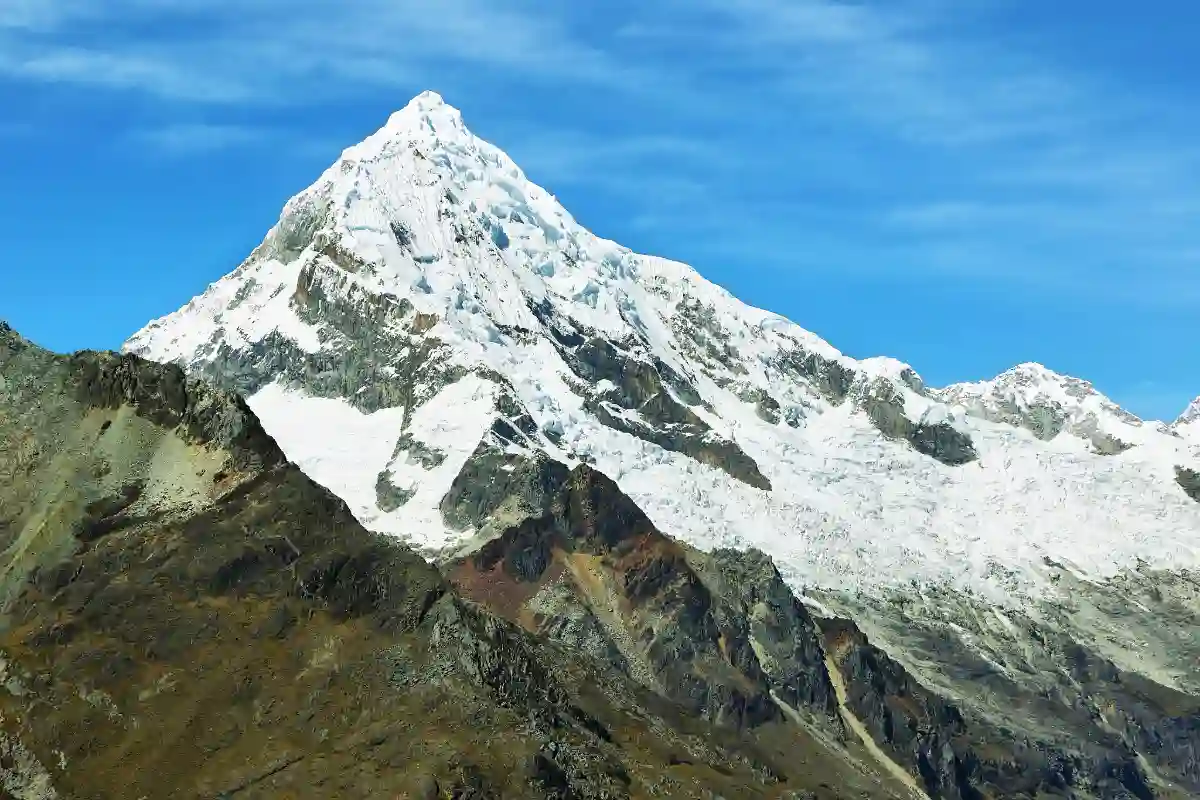
The lake is surrounded by rocky slopes and snow-covered peaks, including Chacraraju and Pisco. At this elevation, temperatures remain low, and the landscape is typical of Peru's high Andean region, known as the puna.
Lake 69 formed as glaciers gradually retreated from the mountains. Although the lake no longer touches a glacier, it continues to receive meltwater from Mount Chacraraju, its main source of water.
Why Is It Called Lake 69?
Lake 69 gets its name from an official inventory of lakes in the area that is now Huascaran National Park. During the survey, this particular lake was listed as number 69.
Many lakes in the Cordillera Blanca have names connected to local places or Indigenous languages, but this one kept its assigned number. Today, it is widely known as Laguna 69 or Lake 69.
Why Is Lake 69 Turquoise?
The turquoise water comes from fine rock particles carried into the lake by melting glacial ice. As glaciers move across the mountains, they slowly wear down the rock beneath them, producing tiny particles that remain suspended in the water.
When sunlight reaches the lake, these particles scatter the light, making the water appear blue or turquoise. The color can look different throughout the day depending on the sunlight, cloud cover, and water conditions.
What Is the Altitude of Lake 69 in Peru?
Lake 69 sits at 15,105 ft (4,604 m) above sea level, making altitude one of the main challenges of the hike.
At this height, walking uphill takes more effort than it would at lower elevations. Spending time acclimatizing in Huaraz before the trek can help you prepare for the climb.
How to Get to Lake 69 from Huaraz
Huaraz is the main base for visiting Lake 69 in Peru. From the city, you'll travel by road to Cebollapampa, where the hiking trail begins.
How to Travel from Lima to Huaraz
Most visitors travel from Lima to Huaraz by bus. The journey takes approximately 8 hours and covers around 249 miles (400 km).
Buses follow the Pan-American Highway north before turning inland at Pativilca toward the mountains of Áncash. You can also drive the same route in a private vehicle.
Another option is to fly from Lima to Anta Airport, near Huaraz. Which is considered one of the most scenic airports in Peru. The flight takes around one hour, followed by a road transfer to the city.
How to Get from Huaraz to the Lake 69 Trailhead
The drive from Huaraz to Cebollapampa covers approximately 60 miles (96 km) and takes around 2 hours and 30 minutes.
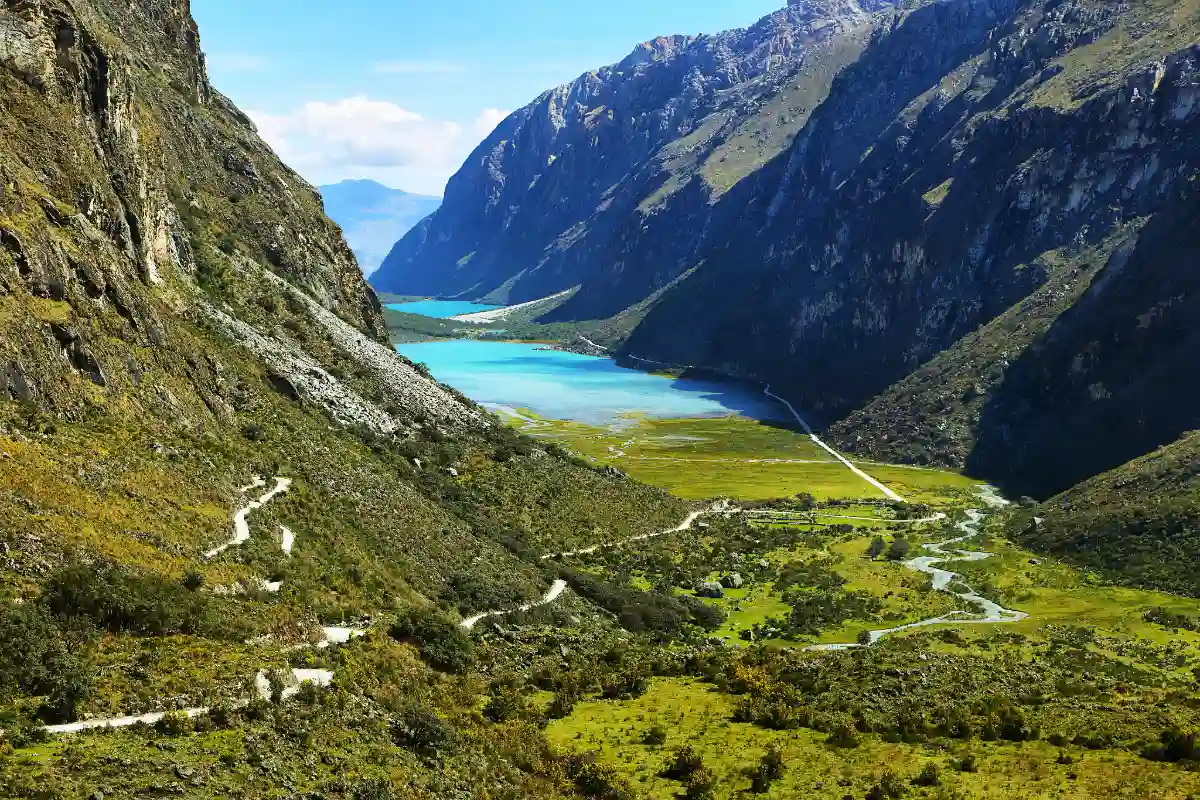
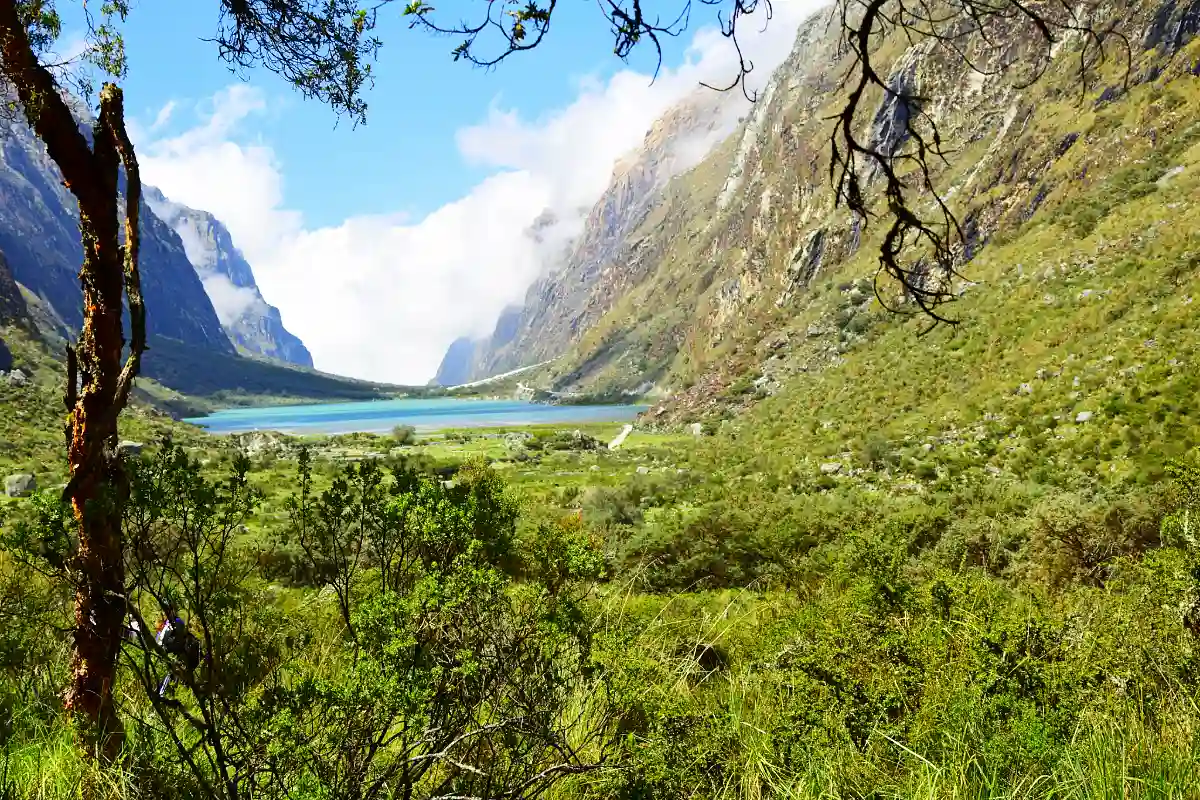
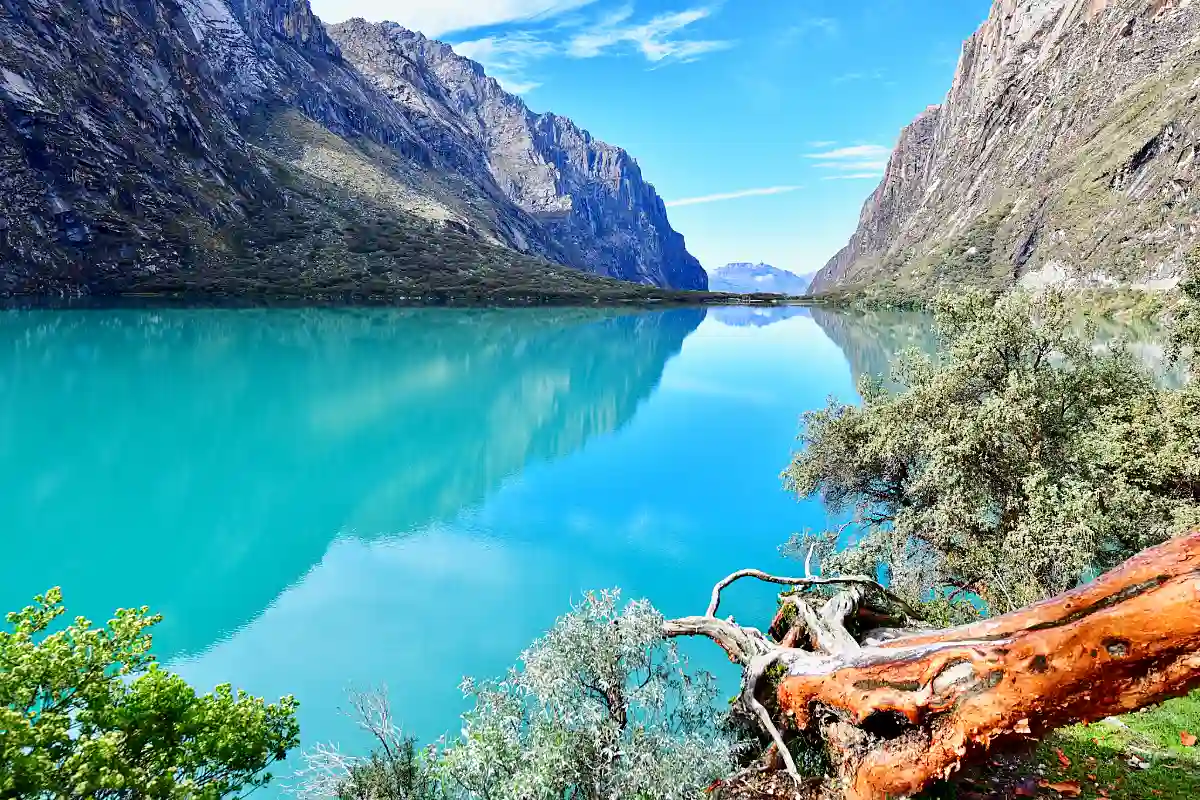
You'll travel through the Callejón de Huaylas toward Yungay before entering the Llanganuco Valley. Along the way, the road passes Chinancocha and Orconcocha, two lakes surrounded by mountains.
Some sections are paved, while others are unpaved. Travel times can vary depending on the road conditions.
Once you reach Cebollapampa, you'll begin the hike to Lake 69.
Can You Visit Lake 69 Without a Tour?
You can arrange your own accommodation and transportation to Huaraz. However, tourist visits to Lake 69 must be organized through a tour operator authorized by SERNANP, the government agency responsible for Peru's protected natural areas.
This requirement came into effect on August 18, 2025, and applies to tourist activities in the Llanganuco sector of Huascaran National Park.
Before booking a Laguna 69 tour, confirm that the company is authorized to operate inside the park. Approved operators can also arrange the required entrance tickets.
What Is the Lake 69 Peru Hike Like?
The Lake 69 hike follows a mountain trail through the Demanda Valley. The route starts with relatively easy walking before climbing higher into the Cordillera Blanca.
Although the trail is marked and doesn't require technical climbing skills, some sections are steep, and the altitude makes the ascent more demanding.
Here's what you can expect along the three main sections of the hike.
First Section: Cebollapampa and the Valley Trail
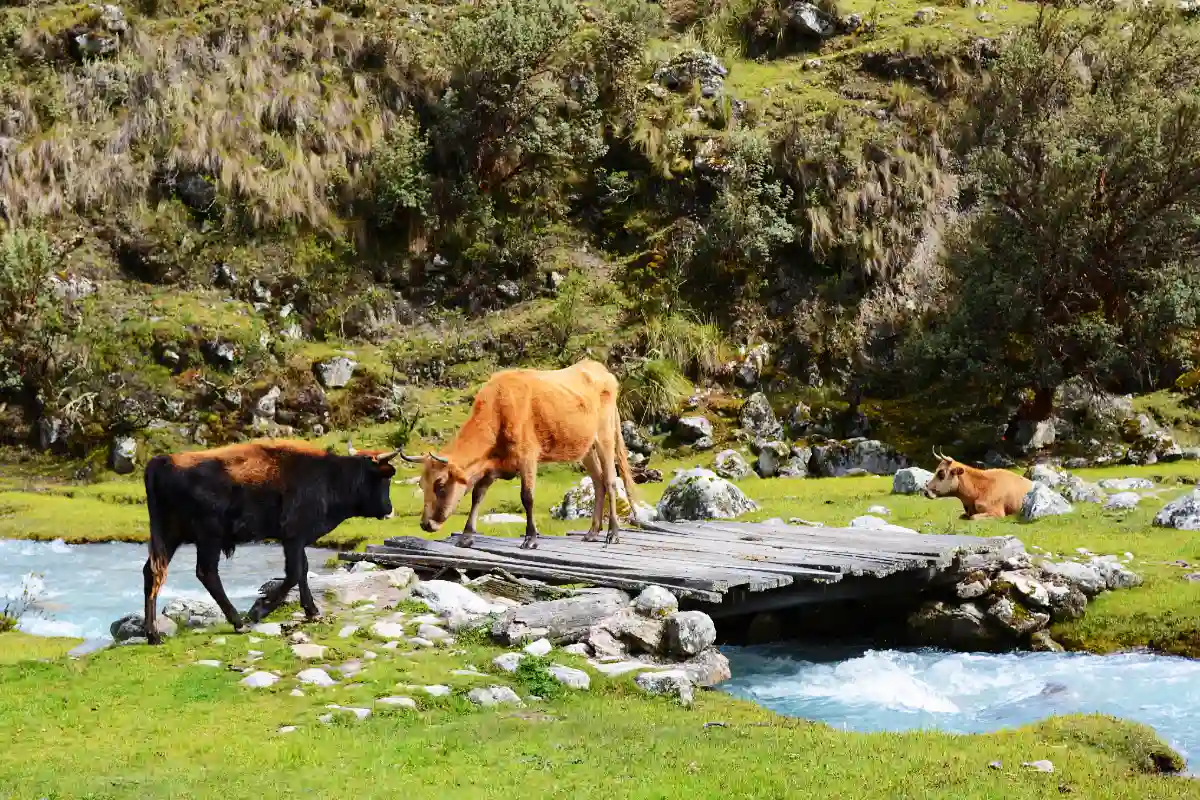
The hike begins at Cebollapampa, approximately 12,795 ft (3,900 m) above sea level. For the first hour, you'll follow a trail beside a river through an open valley. The ground is mostly flat, with a few gentle slopes that make this the easiest part of the walk.
You'll pass small streams and patches of Andean grassland, with mountain slopes rising on both sides of the valley. At around 13,451 ft (4,100 m), the trail becomes steeper. This is where the first major climb begins.
Second Section: Waterfalls and Mountain Switchbacks
The trail now climbs the mountainside through a series of switchbacks, gaining approximately 984 ft (300 m) in elevation. This section usually takes about an hour. You won't need climbing equipment, but the slope can be tiring, especially as you gain altitude.
Along the way, you'll see waterfalls, rocky cliffs, and views back across the valley. At the top of the climb, you'll reach a small lake at approximately 14,436 ft (4,400 m). From here, the trail becomes gentler for around 30 minutes before the final ascent.
Final Section: The Climb to Lake 69
The last part of the hike crosses rocky ground, including areas with loose stones. You'll gain another 656 ft (200 m) in elevation before reaching the lake. This section can feel particularly tiring because of the altitude. After roughly an hour of climbing, the trail levels out, and Lake 69 comes into view.
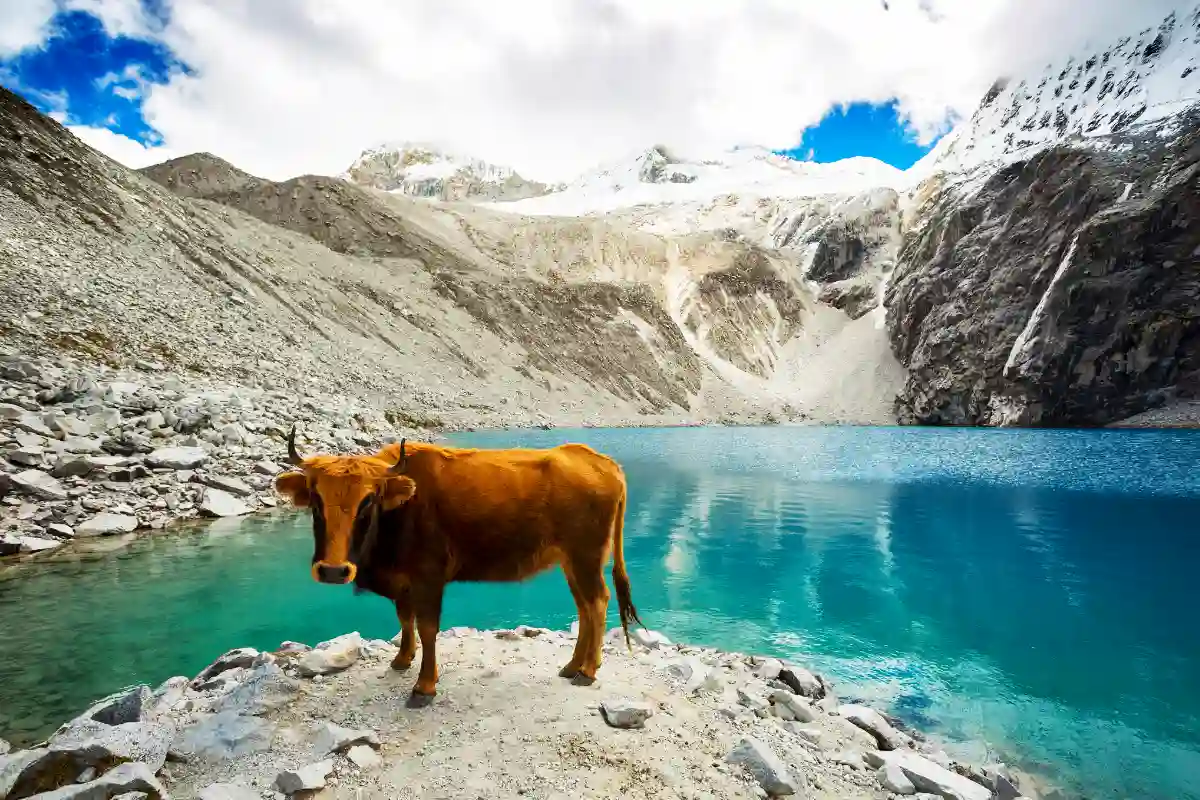
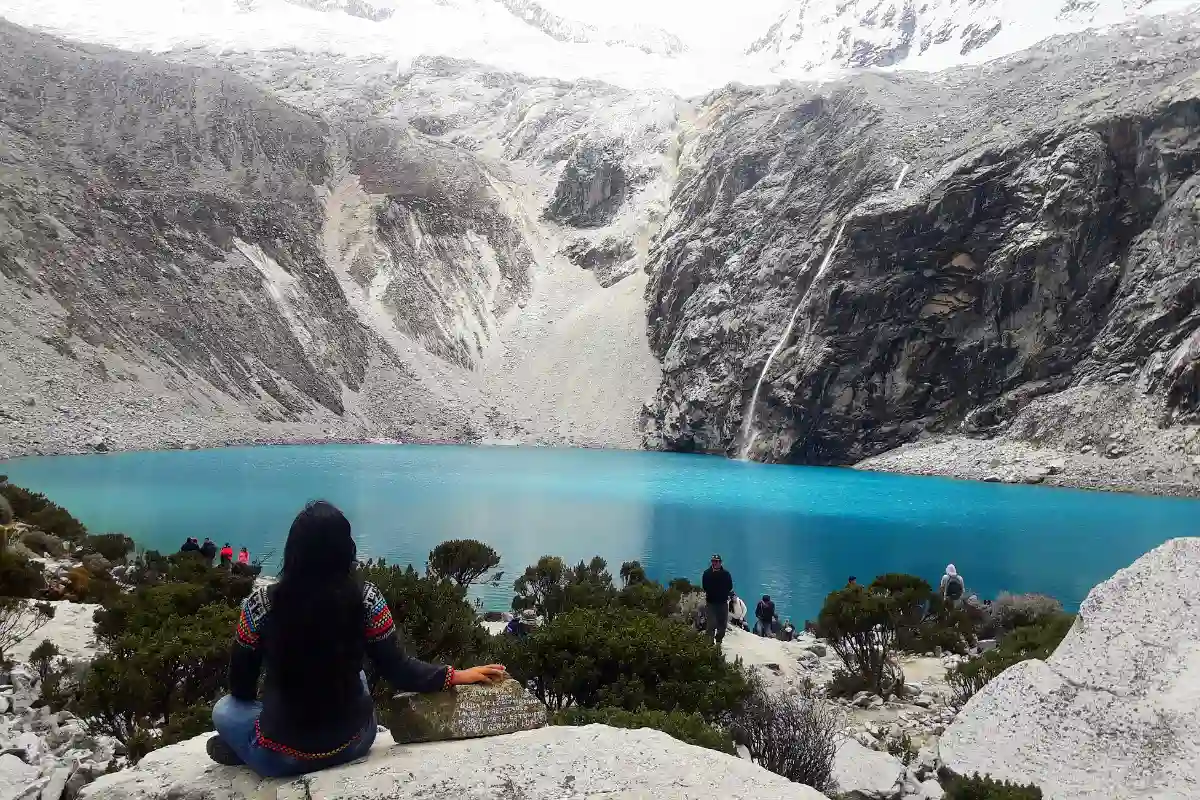
The lake lies beneath steep rock walls, with the southern face of Mount Chacraraju rising behind it. You'll have time to rest, take photos, and enjoy the surroundings before starting the return hike. The descent follows the same trail back to Cebollapampa and usually takes between 2 and 3 hours.
How Difficult Is the Lake 69 Hike?
The Lake 69 Peru hike is rated moderate to challenging, mainly because of the altitude and the steep sections along the trail. The route is marked, and no technical climbing experience is needed. However, the hike involves approximately 2,297 ft (700 m) of elevation gain, which can be demanding even for people who regularly go hiking.
At higher elevations, less oxygen is available, so you may find yourself walking more slowly and needing more breaks. Your fitness, previous hiking experience, and level of acclimatization will all affect how difficult the trek feels.
Is the Lake 69 Hike Suitable for Beginners?
Beginners can complete the Lake 69 hike if they're physically fit and comfortable walking for several hours. However, it may not be the best first mountain hike for someone who has never walked long distances or has only recently arrived in Huaraz. Before attempting the trek, spend some time acclimatizing and consider doing a shorter hike first.
Walk at a pace that feels comfortable, take breaks when needed, and remember that good fitness doesn't prevent altitude sickness. If you feel unwell, tell your guide and follow their instructions.
Best Time to Visit Lake 69 in Peru
The best time to hike Lake 69 is generally between May and October, when rainfall is less frequent and the chances of clear skies are higher.
- June, July, and August usually offer more stable hiking conditions, although mornings and evenings can be very cold.
- From November to April, rain is more common. Trails may become muddy or slippery, and clouds can cover the surrounding peaks.
A Laguna 69 hike tour is still possible during these months, but departures depend on the weather and trail conditions.
How Much Does a Laguna 69 Tour Cost?
The price of a Laguna 69 tour from Huaraz depends on the operator, the services included, and the entrance fee to Huascaran National Park.
As a general reference, some local companies offer group tours for around S/ 60 to S/ 80 per person. Prices can vary depending on the season and the tour company.
Most tours include round-trip transportation from Huaraz and a hiking guide. Meals and park entrance fees are often charged separately, so check the inclusions before booking.
Huascaran National Park Entrance Fees
To visit Lake 69, you'll need an entrance ticket to Huascaran National Park. SERNANP sets different rates depending on the visitor's nationality and age
| Visitor category | One-day entrance fee |
| International adult visitor | S/ 30 soles (9 USD) |
| Peruvian adult | S/ 15 (5 USD) |
| Peruvian child aged 5 - 16 | S/ 8 (2.5 USD) |
| Local adult resident | S/ 8 (2.5 USD) |
| Local child aged 5 - 16 | S/ 8 (2.5 USD) |
These prices cover entrance to the national park only. Transportation, guides, meals, and other services are not included.
Some tour operators include the entrance ticket in their packages, while others charge it separately.
What Does a Laguna 69 Tour Include?
A typical Laguna 69 day tour includes:
- Transportation from Huaraz to Cebollapampa and back
- A hiking guide and a first-aid kit.
- Some companies also provide hotel pickup and make a short stop at the Llanganuco lakes for photos.
- The tour usually begins early in the morning and finishes with a return to Huaraz in the late afternoon.
- Meals and entrance fees are often extra, although some operators include them in the price.
Places to Visit Near Lake 69
If you have extra time in Huaraz, there are several places worth visiting around Yungay and the Llanganuco Valley.
Some are located along the road to the Lake 69 trailhead, while others are better visited on a separate day.
Llanganuco Lakes: Chinancocha and Orconcocha
The Llanganuco lakes are located approximately 15.5 miles (25 km) from Yungay, inside Huascaran National Park. Chinancocha is known for its turquoise water, boat rides, and views of Mount Huascaran and Mount Huandoy. Orconcocha lies a little farther along the same road. Both lakes are on the way to Cebollapampa, and some Laguna 69 tours include a short photo stop here.
Campo Santo de Yungay
Campo Santo de Yungay is a memorial to the earthquake of May 31, 1970, which triggered a massive avalanche from Mount Huascaran and buried the old town of Yungay. Today, visitors can see remains of the former town, the old cemetery with its statue of Christ, and a mausoleum honoring the victims. The site is an important reminder of one of the most devastating natural disasters in Peru's history.
Portachuelo de Llanganuco Viewpoint
Portachuelo de Llanganuco is a mountain viewpoint along the road connecting Yungay and Yanama, high in the Cordillera Blanca. From here, you can see the Chinancocha and Orconcocha lakes below, along with several snow-covered peaks, including Huascaran, Huandoy, Chopicalqui, and Chacraraju. Because reaching the viewpoint requires additional driving time, it's best visited on a separate excursion.
What to Pack for the Lake 69 Peru Trek
The weather in the Cordillera Blanca can change quickly, so bring warm layers and enough supplies for several hours of hiking.
- Pack a waterproof jacket, fleece, and comfortable hiking pants.
- Wear hiking shoes or boots with good traction.
- Bring 1.5 to 2 liters of water, fruit, and snacks.
- Carry sunscreen, sunglasses, and a sun hat.
- Pack gloves, a warm hat, and trekking poles.
- Bring your ID, personal medication, and a bag for your trash.
Lake 69 vs. Laguna Parón: Which Should You Visit?
Lake 69 and Laguna Parón are both located within Huascaran National Park, but the experience of visiting each one is quite different. Lake 69 requires a longer hike with several steep climbs, while Laguna Parón is generally easier to reach when road access is available.
| Feature | Lake 69 | Laguna Parón |
| Location | Yungay, Áncash | Huaylas, Áncash |
| Altitude | 15,105 ft (4,604 m) | 13,730 ft (4,185 m) |
| Access | Hike from Cebollapampa | Drive close to the lake, if access is open |
| Hiking distance | 8.7 miles (14 km) round trip | Optional short hike to the viewpoint |
| Hiking time | 5 to 7 hours | 30 to 45 minutes to the viewpoint |
| Difficulty | Moderate to challenging | Easy at the lakeshore, moderate to the viewpoint |
| Scenery | Turquoise water beneath Mount Chacraraju | Large glacial lake with views of Mount Artesonraju |
| Best for | Travelers who enjoy longer hikes | Travelers who prefer shorter walks |
If you enjoy spending several hours hiking in the mountains, Lake 69 is a good choice. Laguna Parón requires much less walking to reach the shore, making it more suitable for travelers who prefer shorter walks
However, access to Laguna Parón should be confirmed before planning a visit.
Important: Laguna Parón has access restrictions due to the risk of flooding and falling rocks. Check with SERNANP before your trip to find out whether tourist visits are currently permitted.
Tips and Rules for Visiting Lake 69
- Check the weather forecast from SENAMHI before your hike.
- Follow park rangers' instructions and stay on marked trails.
- Avoid unstable slopes and don't take shortcuts.
- Keep your distance from wildlife and don't pick plants.
- Don't swim in the lake or leave trash along the trail.
- Follow the park's opening hours and access restrictions.
Frequently Asked Questions About Lake 69 in Peru
Can You Swim in Lake 69?
No. Swimming is prohibited because Lake 69 is located inside Huascaran National Park, a protected natural area. The water also comes from melting glacial ice and is extremely cold.
Can Children Hike to Lake 69?
The hike isn't recommended for young children because of the altitude, steep climbs, and long walking distance.
Older children who have hiking experience and are properly acclimatized may be able to complete the trek, depending on their fitness and ability.
Are There Bathrooms and Cell Phone Service Along the Trail?
Basic restrooms are available in Cebollapampa, but you shouldn't expect to find bathrooms along the entire route.
Cell phone coverage is also unreliable and may disappear in some areas. Download any maps or information you need before starting the hike.
Can You Hike Lake 69 During the Rainy Season?
Yes, you can hike Lake 69 during the rainy season if the trail is open and weather conditions are safe.
Heavy rain or thunderstorms may lead your tour operator to change the itinerary or cancel the trip
Is Camping Allowed Near Lake 69 in Peru?
There are areas around Cebollapampa used for camping, but you can't pitch a tent just anywhere near Lake 69.
Before planning an overnight trip, contact SERNANP to confirm which camping areas are authorized and what rules apply
How Long Can You Stay at Lake 69?
Most Laguna 69 full-day tours allow approximately 30 to 60 minutes at the lake before the group begins the descent.
The exact time depends on the group's hiking pace, the weather, and the return schedule set by the tour operator.



Add new comment